Hurricane Simon Threatens Mexico as Storms Leave Deadly Flooding
At a Glance
- Hurricane Simon brings heavy rain and strong winds to western Mexico.
- Flooding linked to Tropical Storm Rachel leaves several people dead and others missing.
- Authorities rescue dozens and warn of further flooding and landslides.
Hurricane Simon battered Mexico’s Pacific coast with strong winds and heavy rain on Monday, while the remnants of Tropical Storm Rachel caused deadly flooding in Mexico and the southwestern United States, prompting rescues, evacuations, and continued warnings of flash floods and landslides.
Key Statements and Focus Area
- Mexico: “We heard a loud noise that sounded like ocean waves, but really loud.” — Johana Nuriulu, Ensenada resident
- Weather Warning: "Heavy rainfall could trigger life-threatening flooding and mudslides along Mexico’s western coast." — US National Hurricane Center
- Focus Area: Multiple storm systems are causing fatalities, infrastructure damage, and disruption across Mexico and parts of the United States.
Hurricane Simon Batters Mexico’s Pacific Coast
Simon remained offshore as a Category 2 hurricane on Monday, bringing strong winds and heavy rainfall to coastal communities near Puerto Vallarta. The US National Hurricane Center reported maximum sustained winds of 155 kilometers per hour, or 100 miles per hour, late Monday.
The storm downed trees and electricity poles, flooded homes, and blocked roads in Guerrero state, including the port city of Acapulco. Guerrero Governor Evelyn Salgado said a 71-year-old man died after a wall collapsed in the state capital, Chilpancingo.
Simon was expected to remain a hurricane through midweek, with further heavy rainfall threatening coastal areas. Forecasters warned that flooding and mudslides could become life-threatening as the storm approaches western Mexico, with possible landfall later in the week.
In Puerto Vallarta, businesses began reopening as rainfall eased, but the international airport suspended operations until Tuesday morning.
Flooding and Rescues in Baja California
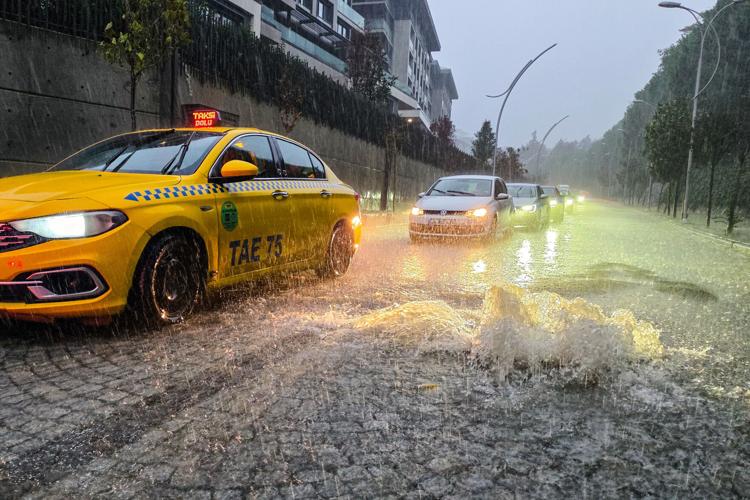
The remnants of Tropical Storm Rachel caused severe flooding in Baja California, sweeping vehicles away, damaging homes, and cutting off communities through landslides and overflowing rivers.
Authorities reported four deaths in Ensenada, including a 13-year-old girl, two women, and a 4-year-old boy. Six people remained missing, including a father and son who went fishing near San Felipe on Saturday and did not return.
Mexico’s military used helicopters to rescue 32 people from a ranch in Ensenada, including 22 foreign nationals. Officials said the group included missionaries, Germans, and Americans, as well as 13 young people.
Baja California Governor Marina del Pilar Ávila said around 14,000 federal and state personnel had been deployed to assist affected communities.
Rachel Brings Flooding to the US Southwest
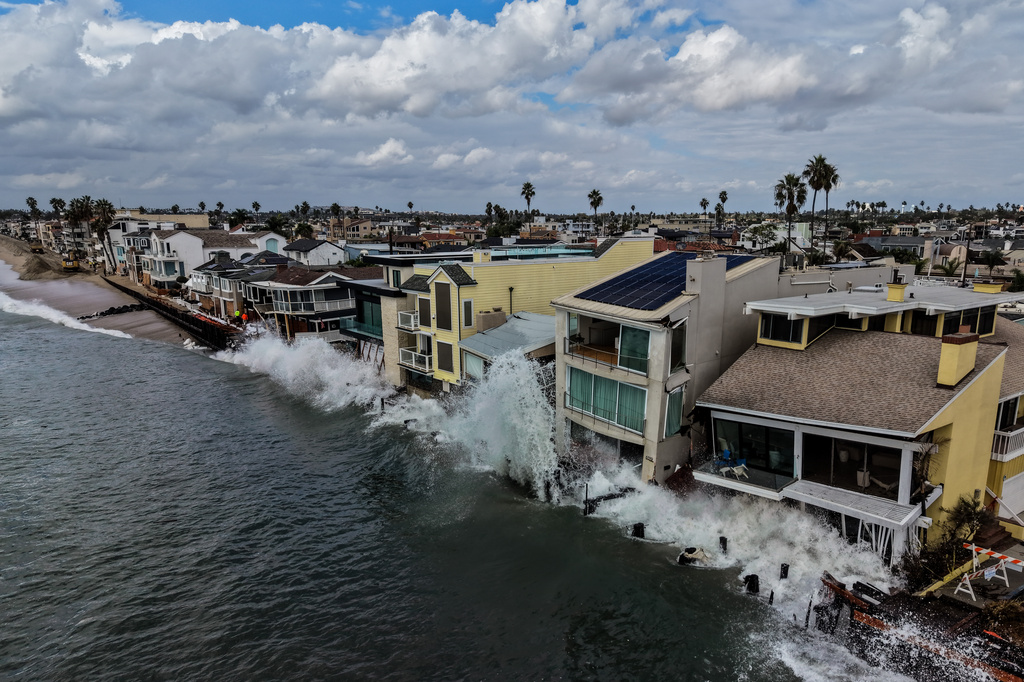
Rachel weakened into a post-tropical cyclone as it moved north into Southern California. Large waves damaged a boardwalk and struck homes in Long Beach, forcing some residents to evacuate.
Las Vegas recorded 1.08 inches, or 2.74 centimeters, of rain by Sunday morning, tying its daily October rainfall record set in 1947. Videos showed floodwaters rushing through streets near the Las Vegas Strip.
Although most flood advisories across parts of the Southwest had been lifted by late Monday, the US National Weather Service warned that localized flash flooding remained possible.
In Utah, dozens of runners and volunteers participating in the Moab 240 ultramarathon were evacuated after flooding left them stranded. Forecasters said additional rainfall expected across parts of the western United States was linked to a separate weather system rather than Rachel.
Isaias Recovery Continues in the US Southeast
Meanwhile, authorities continued restoring electricity after Hurricane Isaias struck the US Southeast as a Category 2 storm near Destin, Florida, before moving into Alabama and weakening.
At least four deaths were linked to Isaias. Around 106,000 electricity customers remained without power in Florida’s Panhandle and southern Alabama on Monday evening.
Florida Governor Ron DeSantis said he expected power to be restored to nearly all affected customers by Tuesday night and directed schools to reopen on Wednesday.
FYI
Tropical cyclones can produce multiple hazards beyond strong winds, including flash floods, storm surges, landslides, and dangerous coastal waves. Their impacts can extend far inland and continue after a storm weakens or loses its tropical classification.
Authorities in affected areas have urged residents to follow local emergency guidance, particularly in communities vulnerable to flooding, landslides, and damaged infrastructure.
Dive Deeper: Handpicked Stories for You
Follow Channel8 for continuous updates:
Hurricane Isaias Leaves Two Dead as Flood Threat Spreads
.jpg)