Scientists Grow Nutritious Potatoes in Simulated Moon Soil
At a Glance
Scientists grew safe, nutritious potatoes in simulated lunar soil.
The soil had to be supplemented with organic material.
The research aims to help feed future astronauts on moon bases.
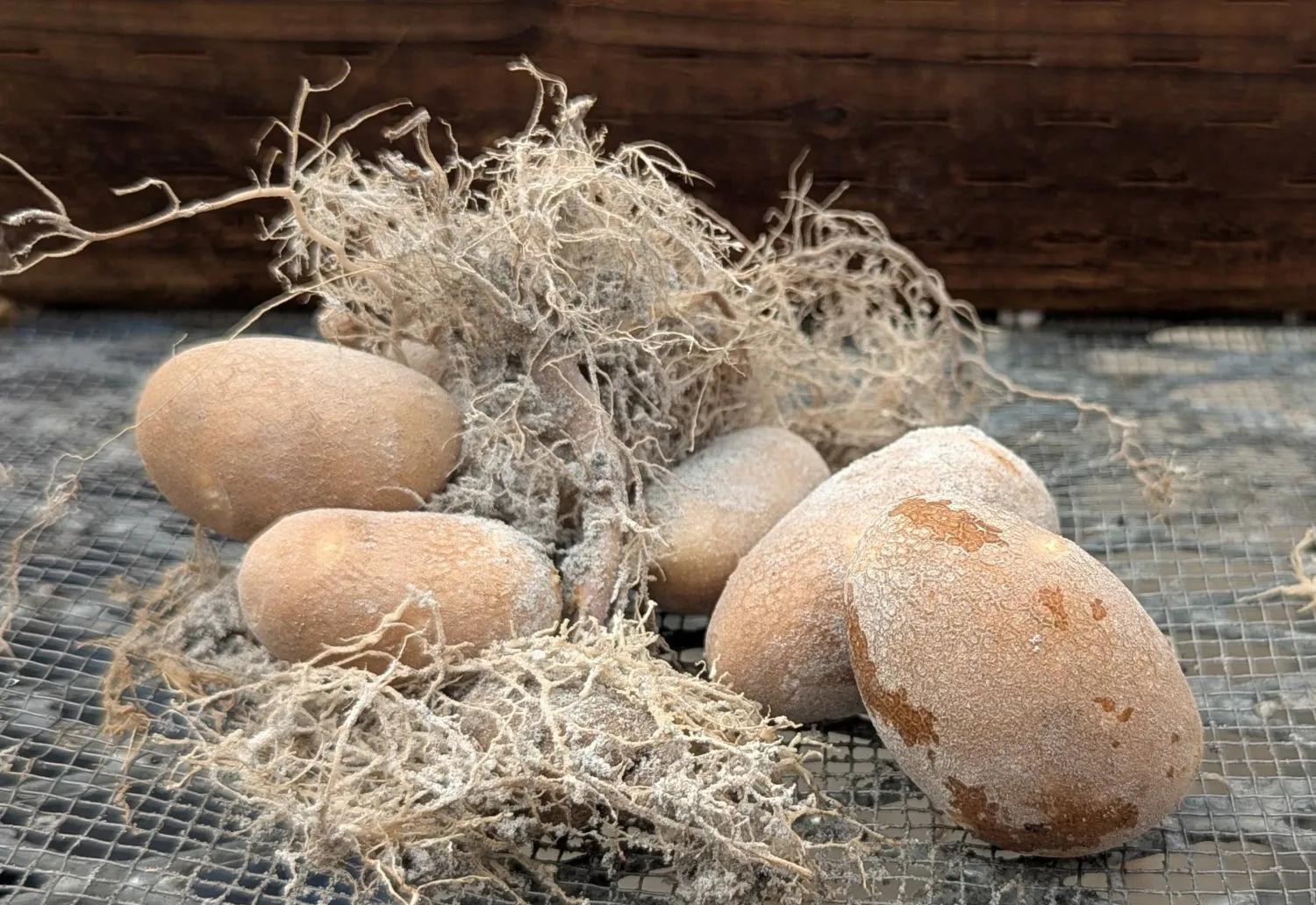
Researchers have grown potatoes in simulated moon soil that grew as well as those in Earth soil, a step toward feeding astronauts who may staff lunar bases in the coming years.
Key Statements and Focus Area
Lead Researcher on Why Potatoes: "Potatoes provide more calories per land area than many other crops. They are nutritious, they provide more potassium than a banana, are rich in vitamin C, have good proteins, and they have a high satiety index." — Aymeric Goyer, plant biologist, Oregon State University.
Lead Researcher on the Soil: "Lunar regolith does not contain any nitrogen, so no crop would grow without supplementing it." — Aymeric Goyer, as quoted by Reuters.
Focus Area: Growing food in lunar soil simulant and what it means for sustaining people on the moon.
The NASA-supported study, published Thursday in npj Microgravity, used Modoc potatoes, an early-maturing variety with red skin and white flesh.
Lunar regolith is crushed rock and dust with no organic material, so researchers mixed it with vermicompost, produced when earthworms break down organic waste.
Potatoes in pure regolith produced almost no roots or tubers. A mix of just 5% vermicompost produced some growth, and at 30% the yield matched potatoes grown in Earth soil from Hermiston, Oregon.
The plants were grown in a greenhouse under sunlight and artificial light at 72°F by day and 64°F by night.
Goyer said organic matter also limits uptake of heavy metals such as copper, which can reach toxic levels in the plants without it.
The potatoes, grown in small pots, were small, generally under 10 grams, and have not been tasted because they were used for lab analysis.
A follow-up study with larger pots produced store-sized potatoes. Asked how they might be prepared, Goyer said, "maybe microwaved."
FYI
The US and China both plan to send astronauts to the moon in the coming years, and a local food source is considered vital because shipping all food from Earth is impractical.
A March study grew chickpeas in regolith supplemented with vermicompost, and others are testing tomatoes, lettuce, and alfalfa.
Co-author David Handy says the techniques could also help produce food in low-output regions on Earth and remediate contaminated soils.
Dive Deeper: Handpicked Stories for You
Follow Channel8 for continuous updates:
Volcanic Gas on Mars Hints the Red Planet Is "Sleeping," Not Dead
Voyager 1 Reaches One Light-Day From Earth, a First for Any Spacecraft