AI-Powered Eye Scans to Spot Early Signs of Heart Disease and Diabetes
At a Glance
AI will be used to analyze routine eye scans for early signs of illness.
A Sunderland University hub received £12.2m in government funding.
The tool will first target diabetes and cardiovascular disease.
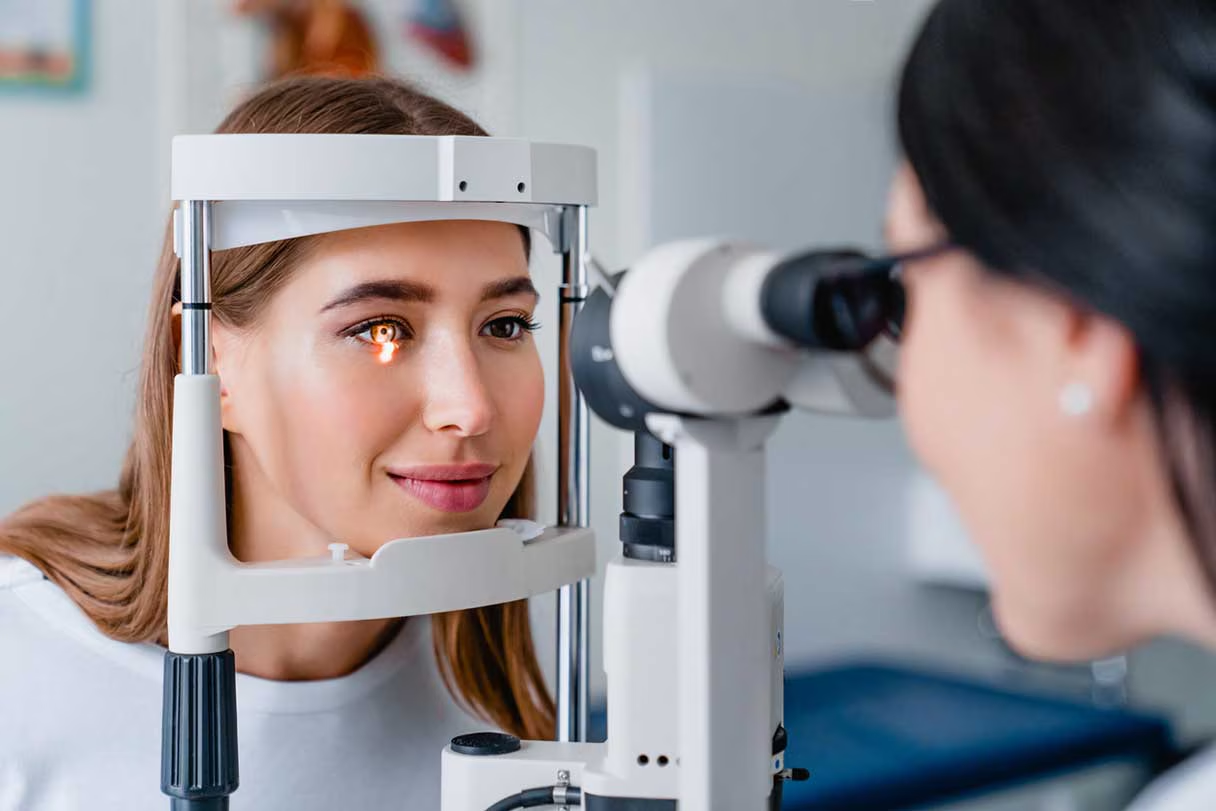
A UK research hub has secured £12.2m in government funding to use artificial intelligence on routine eye scans, with the aim of diagnosing serious illnesses sooner.
Key Statements and Focus Area
Science Minister on Early Diagnosis: "Earlier diagnosis means better outcomes for patients and less pressure on our NHS, and technology has a vital role to play." — Chris McDonald, Science Minister.
NORI on the Investment: "We now have the scale to develop technologies, test them in real-world healthcare settings, and take them into national and international markets." — Matthew Campbell, interim pro vice-chancellor for health and co-director of NORI.
Focus Area: The use of AI on eye scans to detect early disease, backed by new UK funding.
The money, awarded to the Northern Ophthalmic Research and Innovation (NORI) hub at Sunderland University through UK Research and Innovation (UKRI), will help the team develop the technology and take it into international markets.
The tool will rely on the tiny blood vessels and nerve tissue at the back of the eye, which NORI says can reveal clues about a person's wider health before symptoms appear.
AI will analyze routine scans alongside NHS health records and community data to pick up subtle changes that may signal early disease.
The approach could later be extended to dementia and strokes. Science Minister Chris McDonald visited the hub on Thursday.
FYI
NORI is one of five new UKRI-backed healthcare hubs using technology to diagnose illness.
The others are in Exeter, Southampton, and London, all focused on developing high-tech tools.
Dive Deeper: Handpicked Stories for You
Follow Channel8 for continuous updates:
Scientists Find Potential Weak Point in Alzheimer’s-Linked Protein
Blood-Based Sensor Detects Parkinson’s-Linked Proteins in 40 Minutes