Bank of England Set to Raise Rates for First Time Since 2023
At a Glance
The Bank of England is widely expected to raise interest rates on Thursday.
Inflation has climbed above the bank's target amid the Iran war.
Economists say more increases could follow next year.
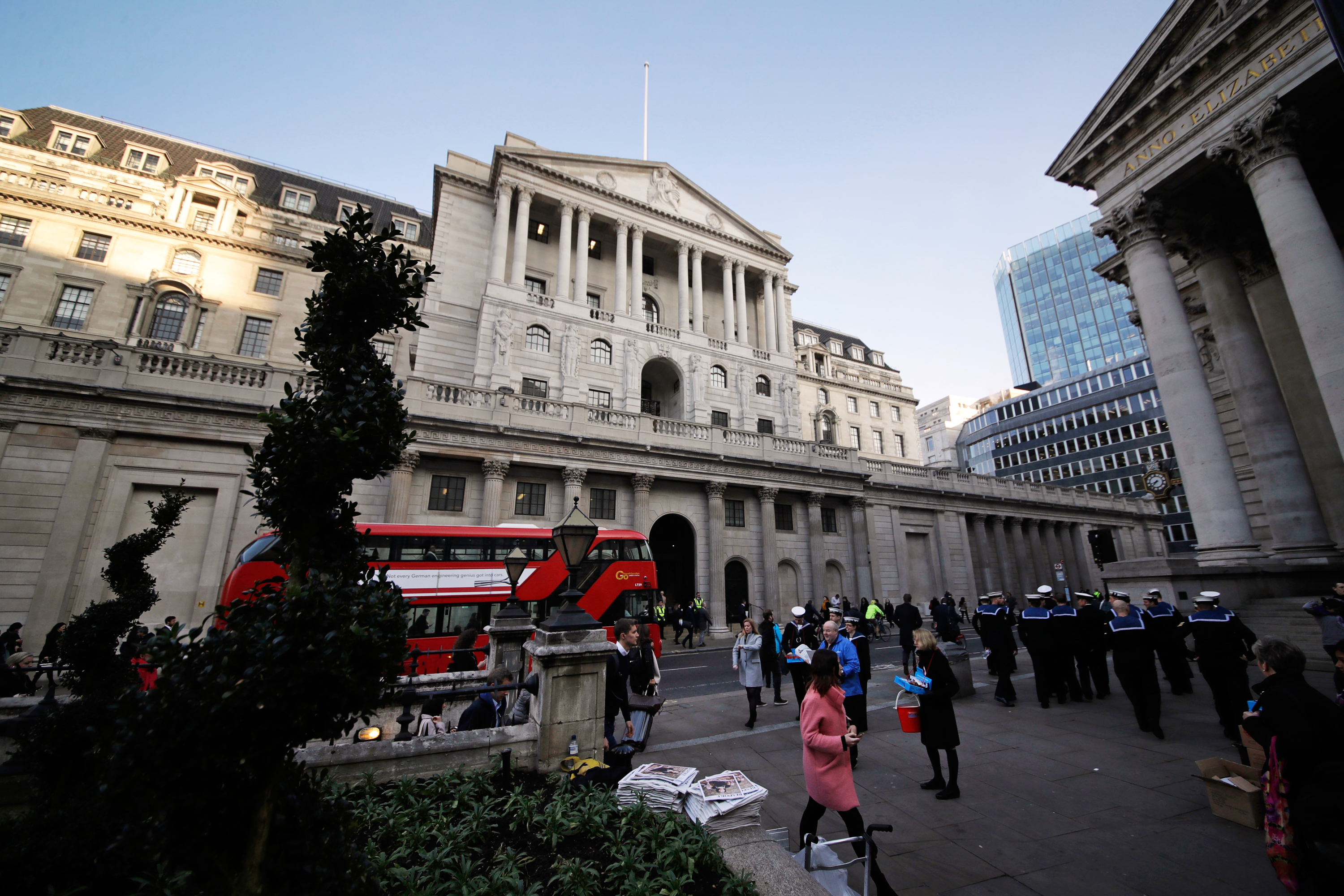
The Bank of England is expected to raise its key interest rate on Thursday for the first time in more than three years, as policymakers respond to an inflation shock driven by the Iran war.
Key Statements and Focus Area
Economist on Policymakers' Patience: "We imagine that many committee members' patience with the recent rise in inflation has worn thin. The longer energy prices remain elevated, the greater the risk that a temporary price shock becomes more permanent." — Ellie Henderson, Economist, Investec.
Focus Area: The expected Bank of England rate hike and the inflation pressure from the Iran war.
Economists believe the nine members of the Monetary Policy Committee have little choice but to lift the key rate to 4% from 3.75%, which would be the first increase since August 2023.
Pressure has built for months, and September's inflation reading of 3.5%, an 11-month high and well above the 2% target, cemented market expectations of a hike this month and possibly more in 2027.
The main driver has been the sharp rise in fuel costs, caused by the war and bottlenecks in the Strait of Hormuz that have squeezed global oil and gas supplies.
The decision will come with the bank's quarterly economic projections for inflation and growth. Higher rates cool the economy by making borrowing more expensive, which curbs spending and inflation but also slows growth.
The US Federal Reserve and the European Central Bank have also raised rates recently in response to rising prices.
FYI
UK interest rates had been falling from a 15-year high of 5.25% until the US and Israel attacked Iran in late February, when the war reversed that trend.
Dive Deeper: Handpicked Stories for You
Follow Channel8 for continuous updates: