Channel8 Reveals Details of Erbil-Baghdad Oil Agreement: Salaries to Be Paid From July
The Iraqi government has sent a draft oil agreement to the Kurdistan Regional Government (KRG), outlining the handover of oil. The tripartite agreement, negotiated over the past three months, reflects the goodwill of the Kurdistan Region, while Baghdad has agreed to resume salary payments from July. Iraqi Prime Minister Mohammed Shia al-Sudani is using the agreement as a political strategy to strengthen his position.
Tripartite Agreement: Erbil, Baghdad, and Oil Companies
The draft agreement involves the Iraqi government, the KRG, and oil-producing companies. It reflects the demands of both Erbil and Baghdad.
While the companies have submitted some detailed comments, they are not expected to affect the agreement significantly.
Distribution of Oil and Party Shares
Under previous contracts, 60% of the oil produced belonged to the Kurdistan Region and 40% to the companies, which covered production costs and profits.
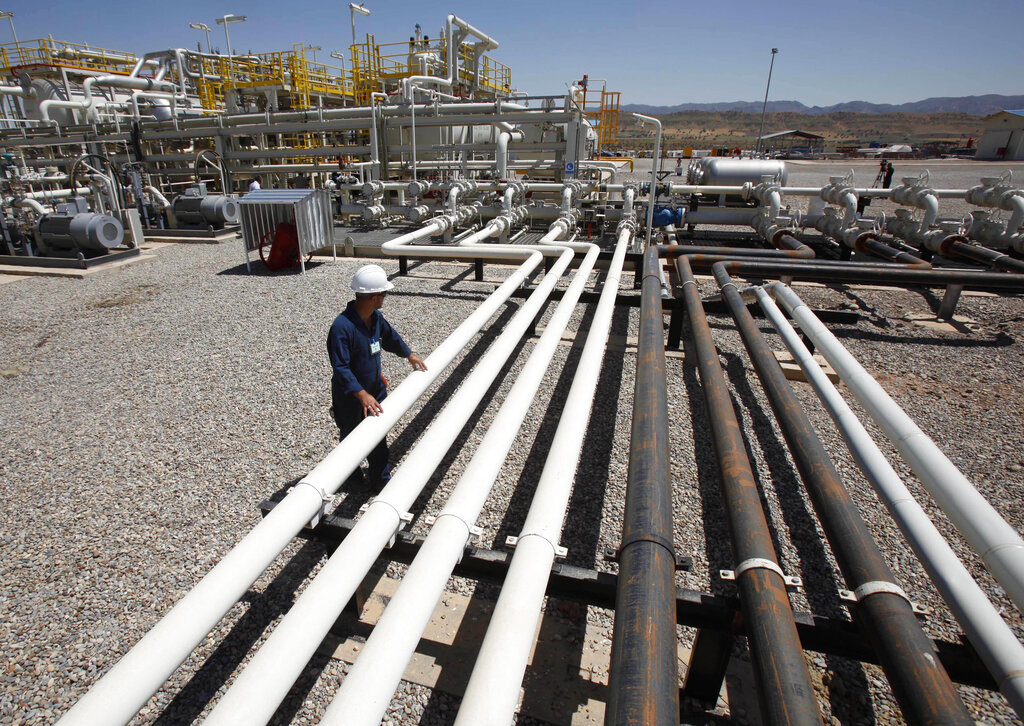
The KRG’s production capacity has reached 230,000 barrels per day. The Region will allocate 50,000 barrels from its share for refineries and domestic needs, leaving 180,000 barrels. Of this remaining amount, 60% (approximately 100,000 barrels) will be handed over to the Iraqi Oil Ministry and SOMO. Oil companies have raised no objections.
Employees’ Salaries: Baghdad’s Guarantee
The KRG has requested that Baghdad resume sending salaries on time after the first batch of 100,000 barrels is delivered.
The Kurdistan Region emphasizes that salary payments must begin with July, ensuring no month is skipped, and reports indicate that Baghdad has agreed.
The handling of the remaining six months’ salaries (July to December) over the next three months is still under discussion, with details expected to be clarified after the oil delivery.
KRG Council of Ministers Meeting: Practical Steps
Prime Minister Masrour Barzani and Deputy Prime Minister Qubad Talabani are scheduled to meet tomorrow.
Channel8 reports that the draft agreement will be the first item on the agenda. The Minister of Natural Resources will be asked to provide a plan for transferring 100,000 barrels of oil to Baghdad, including whether transportation will occur via pipeline or tanker.
Iraqi PM Sees Political Opportunity
Prime Minister al-Sudani is keen on implementing the agreement, viewing it as a political achievement. From his perspective, the agreement demonstrates his ability to bring the Kurdistan Region’s oil under the control of the Iraqi Oil Ministry and SOMO—something previous prime ministers could not achieve—potentially strengthening his position in Iraq.