Kushner Outlines Priorities Ahead Of Abu Dhabi Peace Talks
.webp)
At a Glance
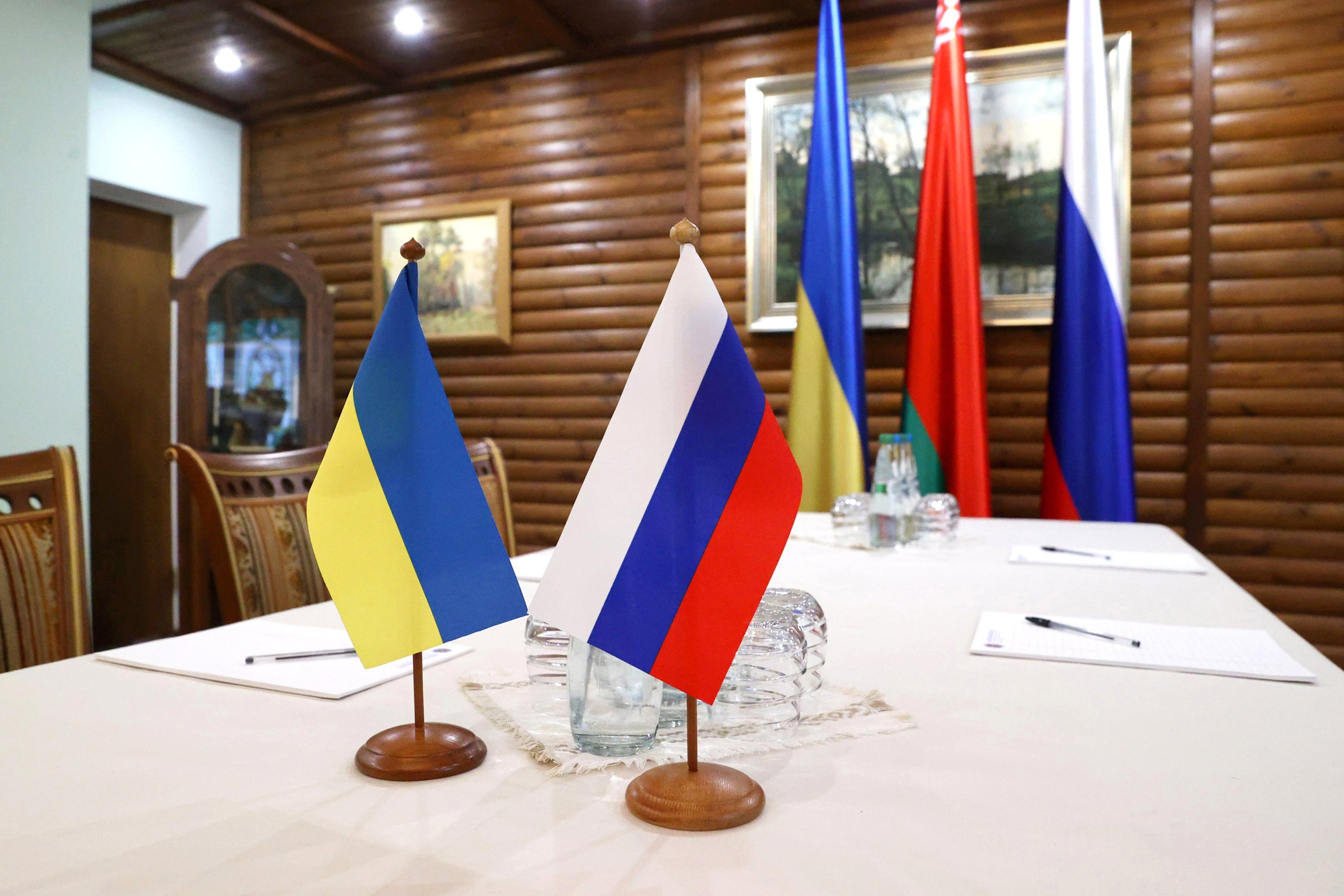
The United States is bringing Ukraine and Russia together in Abu Dhabi for their first trilateral negotiations since February.
Envoys Jared Kushner and Steve Witkoff aim to establish security guarantees, economic recovery plans, and conflict-prevention mechanisms.
Before meeting Russian officials, the U.S. team is coordinating closely with partners from Ukraine, the EU, and NATO.
The ultimate objective is shifting from conflict management to building long-term European security and a sovereign Ukraine.
U.S. mediators hope the upcoming Russia–Ukraine talks in Abu Dhabi will find common ground and advance practical solutions for postwar security, infrastructure support, and private investment, aiming to shift the focus from managing the conflict toward "building the foundations for a durable peace."
Key Statements and Focus Area
U.S. Special Envoy Jared Kushner wrote on X on Monday that, “President Trump is determined to bring an end to this horrible war, which has caused enormous loss of life, destruction, and suffering.”
“We are working hard to find a negotiated solution that can deliver lasting peace and create the conditions for a sovereign, secure, and prosperous Ukraine within a more stable European security environment,” Kushner noted.
He stressed that, “Together with Ukraine, the EU, and other European partners, we are working to address Ukraine’s substantial postwar fiscal and reconstruction needs, support critical infrastructure, attract private investment, and create the conditions for long-term economic growth and self-sufficiency.”
Ahead of tomorrow's scheduled talks in Abu Dhabi, Envoy Kushner stated that he and Steve Witkoff will first meet with partners from Ukraine, the EU, NATO, and key European nations to coordinate on the postwar future and European security.
He noted that these first trilateral talks since February aim to bring Ukraine and Russia together to directly discuss their postwar security concerns and potential solutions.
“We hope these discussions will identify areas of common ground, advance practical solutions, and build momentum toward the next phase of negotiations,” he added.
Kushner emphasized that achieving “a comprehensive and lasting settlement” requires direct engagement between Russia and European partners, hoping the Abu Dhabi talks allow that process “to begin in the near future, as part of a broader multilateral process.”
He stated that their work focuses on four interconnected priorities: ending the conflict, developing credible postwar security guarantees, preparing a comprehensive economic plan for Ukraine, and advancing humanitarian measures to alleviate suffering.
“We are also working with the parties on important humanitarian issues, including the return of prisoners and civilians, and practical measures to alleviate suffering and reduce the human cost of this conflict,” he remarked.
The envoy highlighted that existing European security agreements provide an important foundation to build upon while identifying past shortcomings. Future discussions will focus on crisis communications and reducing escalation risks, while fully "respecting the sovereignty and independent decision-making of every nation."
“We recognize the difficult decisions ahead and are approaching these discussions with determination and realism. Our hope is to make meaningful progress, establish a practical pathway forward, and help create the conditions for a lasting peace,” he said.
FYI
The upcoming trilateral peace talks in Abu Dhabi mark the first direct negotiations between Russia, Ukraine, and the United States since February 2026.
The diplomatic track is being led by U.S. Special Envoys Jared Kushner and Steve Witkoff following a months-long pause during which Washington's diplomatic focus shifted toward Middle East conflicts.
Ahead of the session, the U.S. delegation is holding coordination meetings with Ukraine, NATO, and European allies to align on postwar continental security.
On the battlefield, the conflict remains heavily deadlocked as freezing winter temperatures set in across the region. Russia has recently intensified long-range missile and drone strikes against Ukraine’s civilian power grid, causing widespread blackouts.
In response, Ukraine has escalated its deep-strike drone campaign, successfully targeting several major Russian oil refineries and logistics hubs.