Russia Insists on Trilateral Format as Ukraine Coordinates Side-Talks With Allies
At a Glance
Kyiv initiates external coordination with European allies and NATO representatives ahead of the summit.
The Kremlin reinforces a strict trilateral scope, explicitly excluding direct European Union representation from the core negotiating table.
President Trump expresses high diplomatic optimism, stating that both warring nations are exhibiting a strong inclination to finalize a settlement.
EU leadership remains deeply skeptical, warning that Brussels will not execute any peace commitments brokered without its direct input.
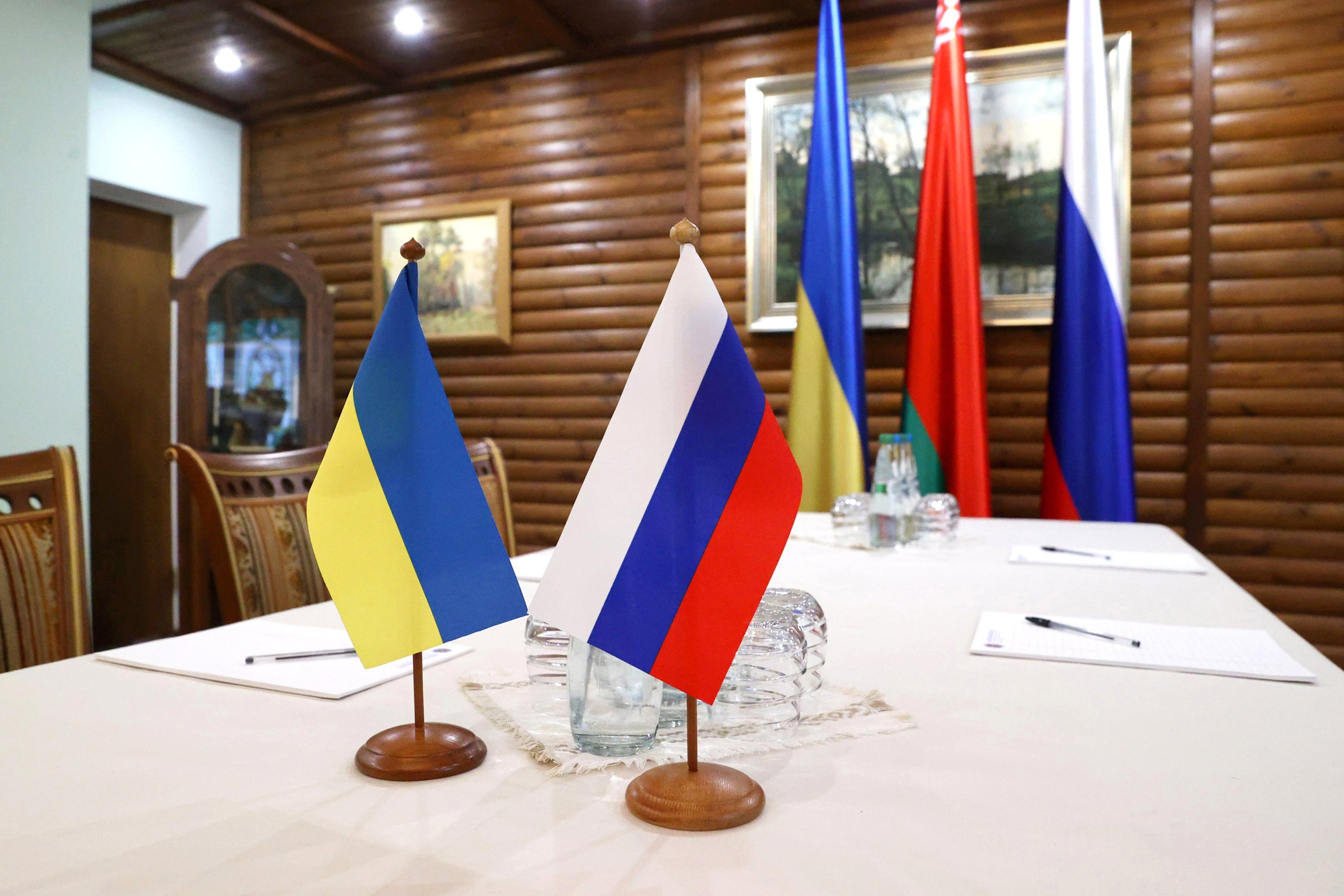
Kyiv's chief negotiator Rustem Umerov confirmed that Ukraine will coordinate negotiating positions with European and NATO officials alongside U.S. envoys ahead of trilateral peace talks in Abu Dhabi, while the Kremlin maintains its stance excluding direct European participation from the official forum.
Key Statements and Focus Area
Kyiv’s chief negotiator Rustem Umerov announced via social media that Ukraine is actively staging preliminary strategy sessions.
Umerov confirmed that an initial assembly will involve delegates from the United Kingdom, France, Germany, Italy, NATO, and the European Commission alongside U.S. Special Envoys Steve Witkoff and Jared Kushner.
"We will align our positions and coordinate our steps ahead of the next stage of negotiations," Umerov noted.
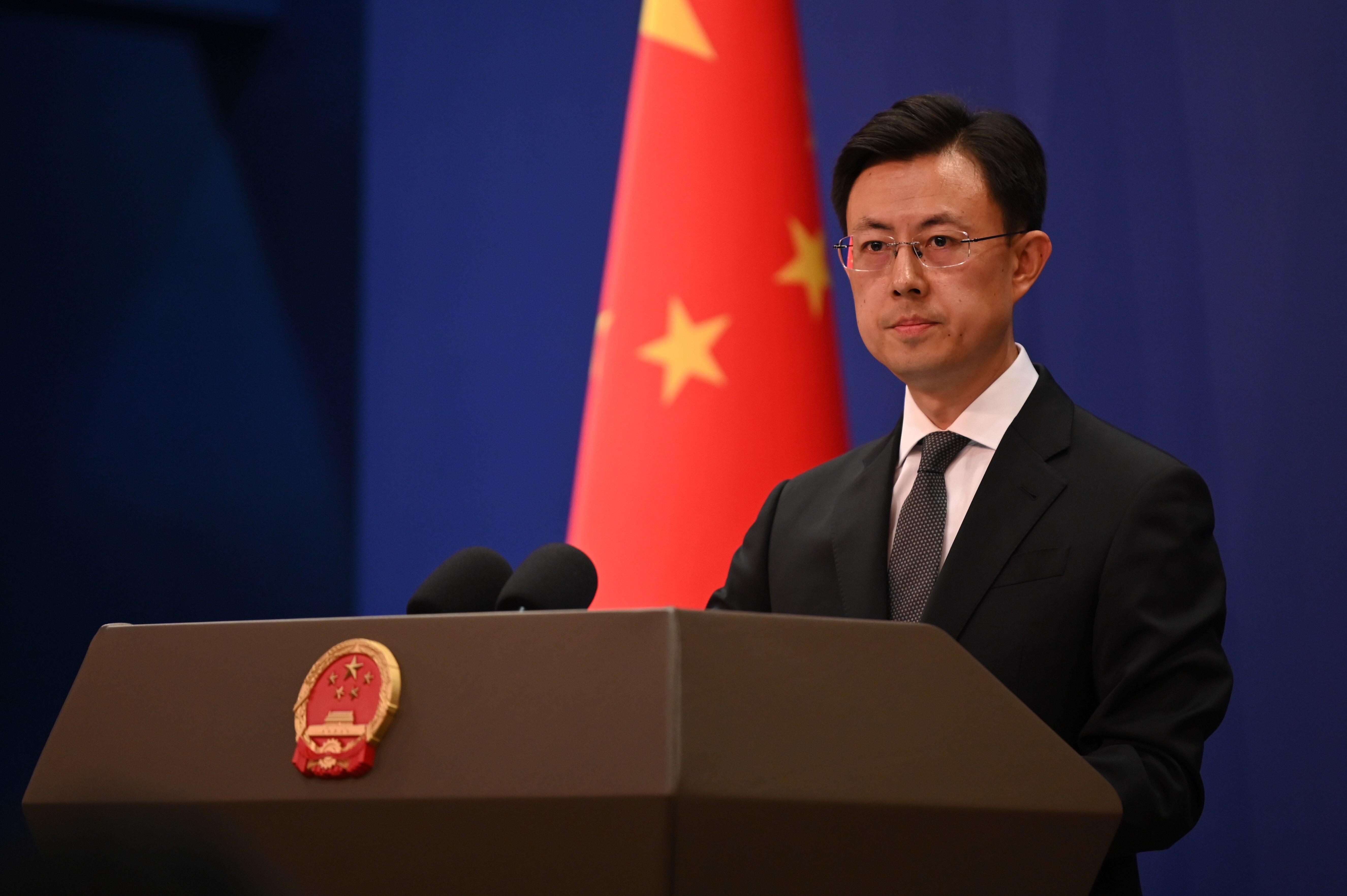
Conversely, Moscow maintains that the upcoming meetings in Abu Dhabi are strictly structured as trilateral negotiations between Russia and Ukraine under United States mediation.
Acknowledging that Kyiv and Washington are maintaining independent channels of communication with Europe, Peskov stated that Western partners are "apparently building their own coordination mechanism," but maintained that the central forum would strictly exclude them.
U.S. President Donald Trump voiced strong confidence in the peace process, citing a mutual exhaustion on the battlefield.
Trump declared that the United States detects a "very strong inclination" from both factions to conclude the hostilities, remarking that Moscow and Kyiv are simply tired of fighting.
The President further indicated that a durable resolution would inevitably alter Ukraine’s borders, reiterating that the nation will ultimately end up with a "little bit different shape."
Expressing a belief that a comprehensive deal is imminent, Trump stated, "I believe that that war is going to end and it's going to end soon."
Ukrainian President Volodymyr Zelensky has outlined a specific, multi-layered agenda for the diplomatic track. Kyiv's prioritized focus areas include securing robust security guarantees, establishing a comprehensive energy ceasefire, unblocking commerce in the Black Sea, and finalizing expanded prisoner-of-war exchanges.
Zelensky framed these points as essential foundational work ahead of a projected future summit between the leaders of Ukraine, Russia, and the United States.
However, European Union Foreign Policy Chief Kallas expressed skepticism regarding the Kremlin's actual intentions.
Kallas stated bluntly that she sees "little sign that Russia was willing to negotiate in good faith," stating that Moscow is advancing absolute maximum demands rather than viable solutions.
Delivering a firm warning to the mediating parties, Kallas emphasized that "the European Union will not automatically implement commitments negotiated without its participation."
FYI
The upcoming Abu Dhabi summit marks the first direct trilateral negotiations between Russia, Ukraine, and the United States since February 2026.
The renewal of the diplomatic track follows a multi-month hiatus during which the United States redirected its primary diplomatic resources toward managing escalating conflicts in the Middle East.
The current talks are being mediated on the ground by U.S. Special Envoys Jared Kushner and Steve Witkoff, who have emphasized that a lasting settlement must focus on shifting from active conflict management toward constructing a stable, long-term European security framework.
Dive Deeper: Handpicked Stories for You
Follow Channel8 for continuous updates:
.webp)