Kurdistan Marks Flag Day, Honoring a Symbol of National Identity
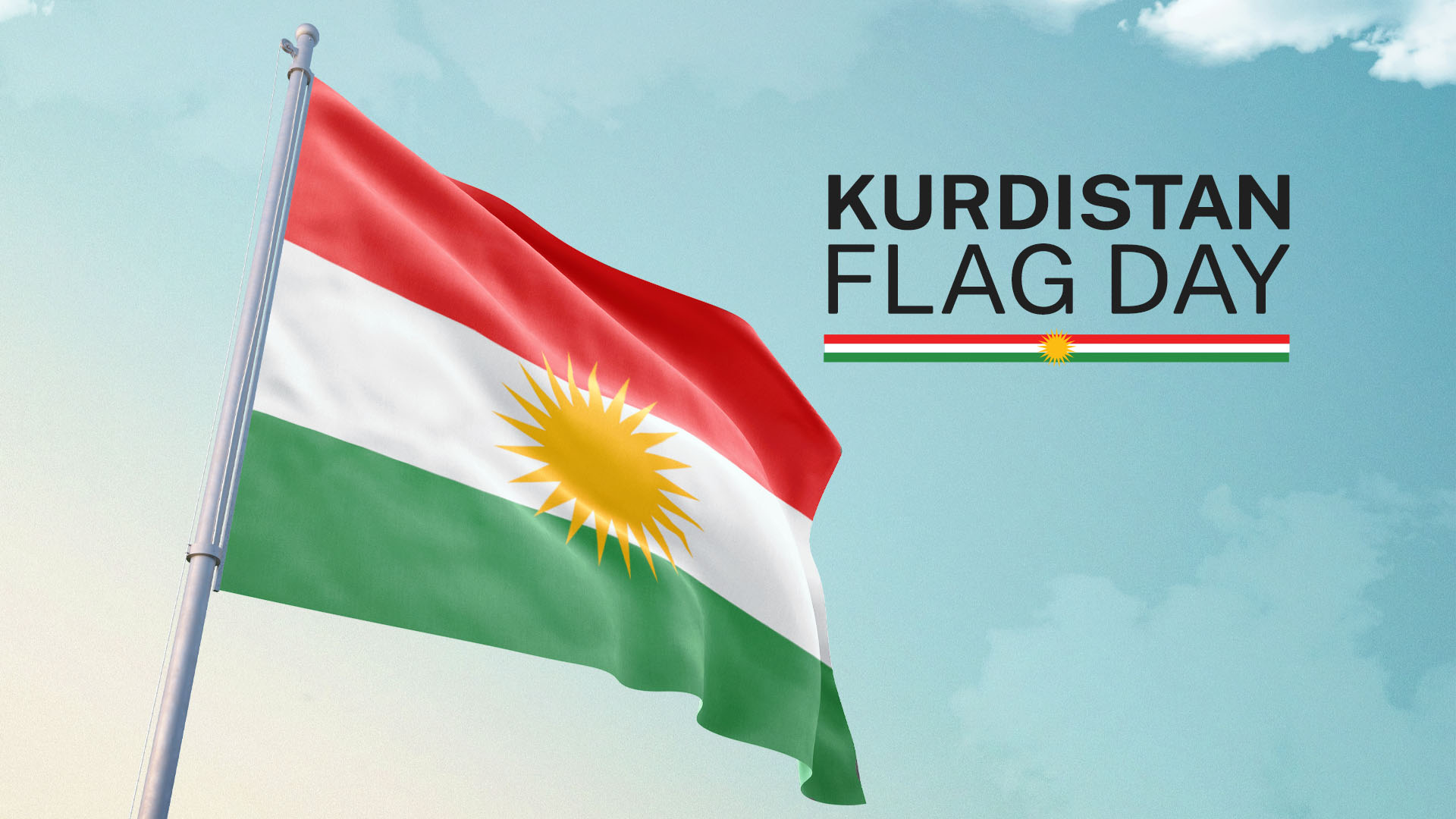
The Kurdistan Flag Day is marked annually on December 17 across the Kurdistan Region and Kurdish areas, commemorating the history and symbolism of the Kurdish national flag.
Legal Recognition by Kurdistan Parliament
The Kurdistan Parliament granted the flag official legal status in two key stages.
In November 1999, the parliament approved Decision No. 26, formally recognizing the flag’s design, dimensions and the 21-rayed sun emblem, which was adopted as a symbol associated with Newroz and Kurdish identity.
Later, on June 19, 2004, the parliament issued Decision No. 48, officially designating December 17 as Kurdistan Flag Day.
Why December 17 Matters
The date holds historical significance linked to the Kurdistan Republic of Mahabad. On December 17, 1945, prior to the formal declaration of the republic, the Kurdish flag was raised publicly for the first time in Chwar Chra Square in Mahabad.
The ceremony was attended by Qazi Muhammad, the leader of the Mahabad Republic, along with thousands of Kurdish citizens, marking a pivotal moment in modern Kurdish political history.
Historical Evolution of the Kurdistan Flag
The Kurdistan flag has undergone several stages before reaching its current form:
- Emirate period: The flag or its early symbols were associated with Kurdish semi-autonomous emirates that exercised local self-rule under larger regional powers. Early forms of the Kurdish flag and its symbols were associated with Kurdish emirates that exercised de facto independence and local self-rule, despite lacking formal international recognition.
- Early 20th century: Appeared during uprisings such as the Bitlis uprising of 1914 and Kurdish movements between 1919 and 1921.
- Kurdistan Association (1917): Adopted a tricolor flag of red, white and green.
- Sheikh Mahmoud Barznji’s (Kurdistan Kingdom) (1919): Raised a green flag bearing a red circle with a white crescent in Sulaymaniyah.
- Ararat uprising (1927–1932): The Khoybun organization raised the Kurdish flag on Mount Ararat.
Mahabad Flag and the Modern Kurdistan Flag
The flag used during the Mahabad Republic featured the sun symbol alongside motifs representing knowledge and agricultural fertility. Following the 1991 uprising in Iraqi Kurdistan, the Kurdistan Parliament standardized the current flag design.
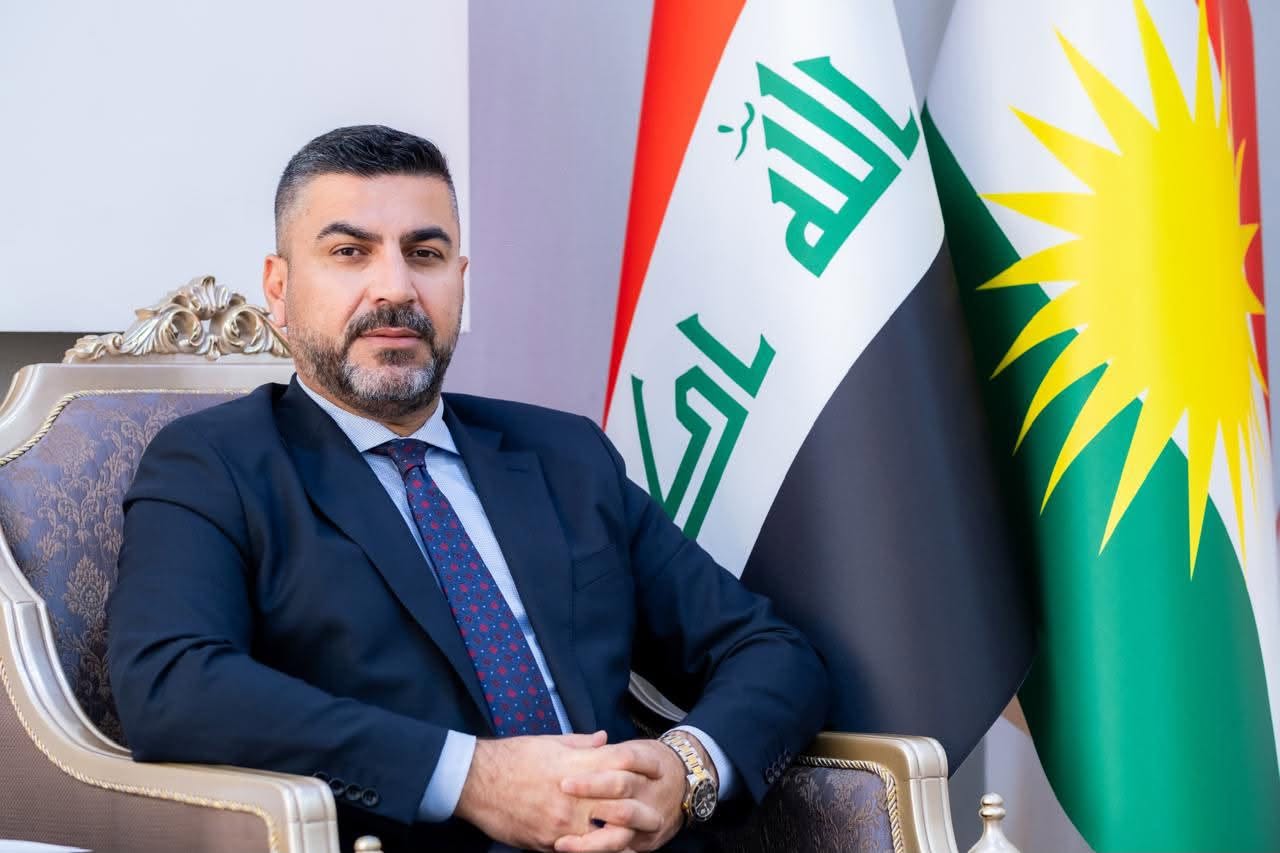
The modern Kurdistan flag consists of three horizontal stripes, red, white, and green, with a yellow sun bearing 21 rays at its center, symbolizing Newroz, renewal, life, and the Kurdish people’s national identity and heritage.
Newroz is the Kurdish New Year, celebrated on March 21, marking the arrival of spring and symbolizing renewal, freedom, and resistance.
For Kurds, Newroz is not only a seasonal celebration but a national and cultural symbol. It is rooted in ancient Mesopotamian traditions and is linked to the legend of Kawa the Blacksmith, who led an uprising against tyranny. Because of this story, Newroz represents liberation, rebirth, and the triumph of light over darkness.
Today, Newroz is celebrated with fires, traditional clothing, music, and gatherings, and it remains one of the strongest expressions of Kurdish identity and unity across Kurdistan and the Kurdish diaspora.
Annual Commemorations
Each year, Kurdistan Flag Day is marked by ceremonies across cities in the Kurdistan Region, as well as in schools and institutions in other Kurdish-populated areas. The day is observed as a celebration of Kurdish national identity, history and collective memory.
.webp)