Trump Warns Venezuela’s Incoming Leader of “Very Big Price” After Maduro Arrest
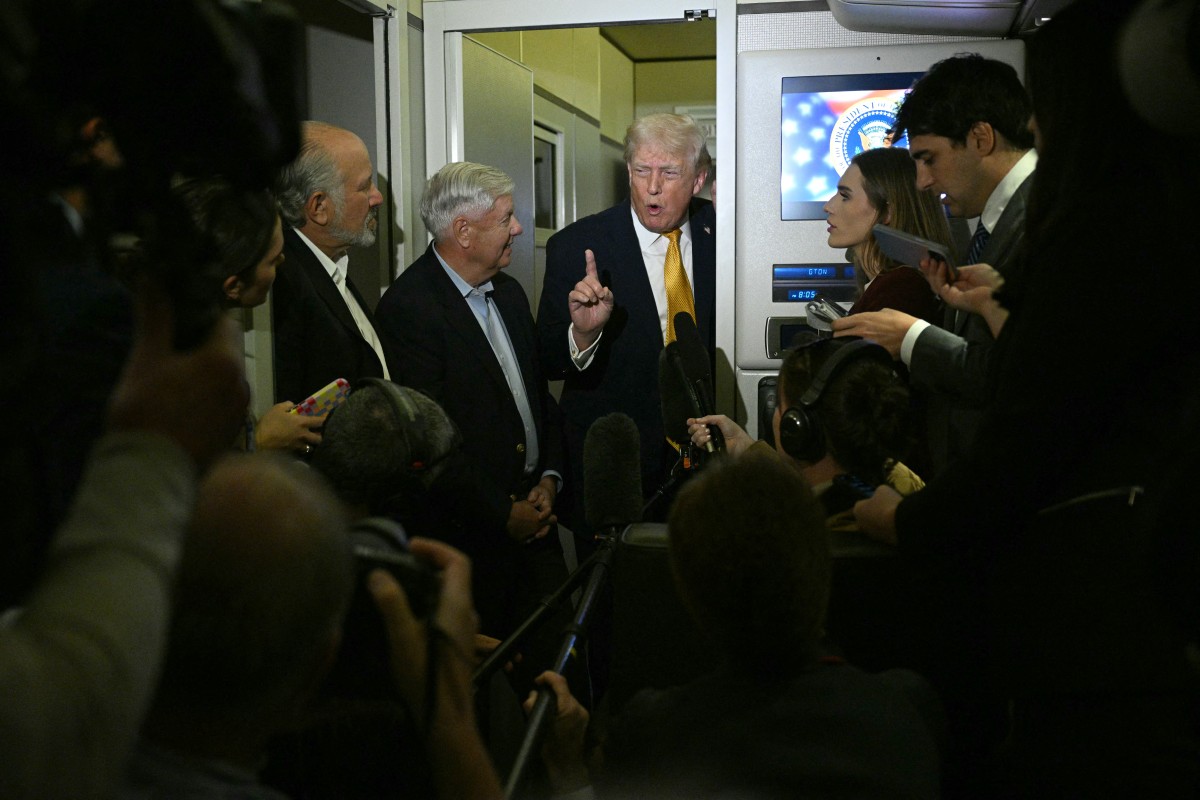
U.S. President Donald Trump has warned Venezuela’s incoming leader Delcy Rodríguez that she could “pay a very big price, probably bigger than Maduro,” if she fails to cooperate with Washington, escalating tensions following the arrest of former president Nicolás Maduro in a U.S. military operation.
Trump made the remarks in an interview published Sunday by The Atlantic, as Maduro was set to appear in a New York court on Monday on charges including drug trafficking and weapons offenses. U.S. authorities accuse Maduro of leading a “narco-terrorist” network, allegations he has repeatedly denied.
Rodríguez, who previously served as Maduro’s vice president, struck a conciliatory tone at her first cabinet meeting on Sunday, calling for cooperation with Washington.
We invite the U.S. government to collaborate with us on an agenda of cooperation oriented toward shared development within the framework of international law
Rodríguez said.
Backed by Venezuela’s Supreme Court and senior military commanders, Rodríguez is scheduled to be sworn in as president on Monday morning in Caracas.
U.S. Operation and Arrest of Maduro
Maduro and his wife, Cilia Flores, were captured early Saturday during a U.S. special forces operation that included air strikes on military facilities in Caracas, according to U.S. and Venezuelan officials. The couple were flown to the United States and are being held in federal custody in New York.
Trump later posted images of Maduro aboard the USS Iwo Jima, describing the operation as a step toward what he called a “safe and proper transition” in Venezuela. He also said U.S. oil companies would help rebuild Venezuela’s energy infrastructure.
Despite those statements, Maduro’s political allies remain in control of key state institutions.
Rubio: “Not a War With Venezuela”
U.S. Secretary of State Marco Rubio rejected claims that the operation amounted to an act of war, insisting it was a law-enforcement action targeting organized crime.
We are at war against drug trafficking organizations. That’s not a war against Venezuela
Rubio said in televised interviews.
Rubio said Washington retains “multiple levers of leverage,” including restrictions on Venezuela’s oil exports, if Caracas fails to cooperate.
When asked whether the U.S. recognizes Rodríguez as Venezuela’s legitimate president, Rubio said Washington does not recognize the current governing structure as legitimate.
International and Domestic Backlash
The operation has drawn sharp criticism from Democratic lawmakers in the United States. House Minority Leader Hakeem Jeffries called it “an act of war,” while Senate Minority Leader Chuck Schumer questioned its legality and warned against unilateral regime-change efforts.
“You don’t treat lawlessness with other lawlessness,” Schumer said, adding that Congress had not authorized the action.
Several Latin American and European governments, including Brazil, Chile, Colombia, Mexico, Uruguay, and Spain, issued a joint statement warning that the U.S. operation set a “dangerous precedent” and threatened regional stability.
Cuba, a close ally of Maduro, said 32 Cuban nationals were killed during the U.S. strikes and declared two days of national mourning.
Broader Regional Tensions
Trump also issued threats toward neighboring Colombia, criticizing President Gustavo Petro and refusing to rule out military action. Colombian officials have not responded publicly to the remarks.
Maduro, who has ruled Venezuela since 2013, is widely accused by opponents and several foreign governments of electoral fraud in the 2024 presidential vote and of repressing dissent. He has denied all criminal allegations, accusing Washington of using anti-drug rhetoric to justify intervention and gain access to Venezuela’s oil reserves.
Maduro and Flores are expected to enter initial pleas in federal court in New York later Monday.
05/01/2026