Atacama Desert Erupts in Its Largest Bloom in 30 Years
At a Glance
Chile's Atacama Desert is covered in colorful wildflowers after heavy El Niño rains.
More than 200 species are in flower, in the biggest bloom in three decades.
Tourists are flocking to the region, and officials are seeking UNESCO recognition.
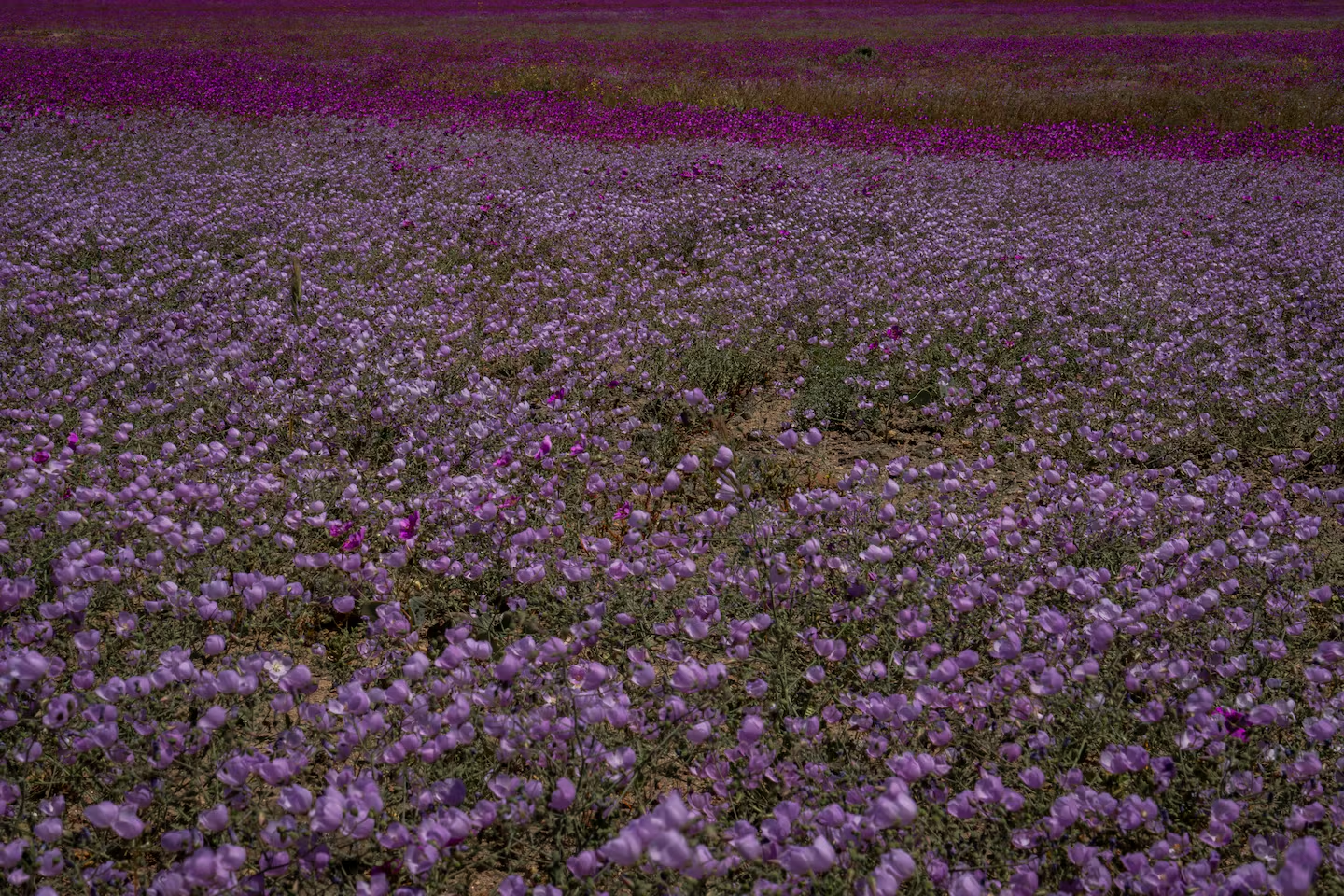
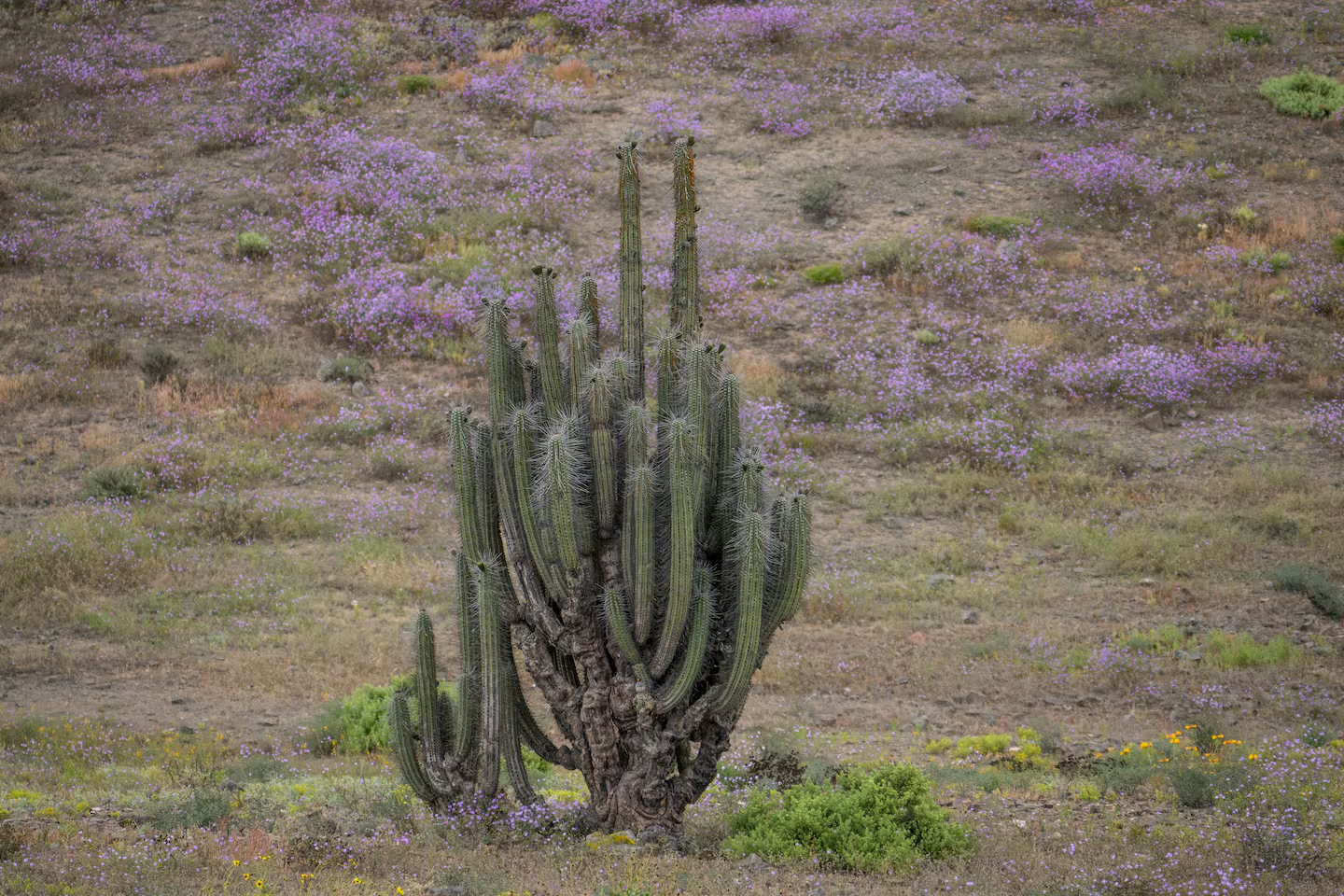
Chile's Atacama Desert, the driest nonpolar desert on Earth, has burst into color after record rains, producing a flower bloom scientists say may be the largest ever recorded.
Key Statements and Focus Area
Park Administrator on the Bloom: "This is a natural seed bank, a dormant archive that becomes a living one with the rains." — Moisés Grimberg, Administrator, Llanos de Challe National Park.
Seed Bank Biologist on the Desert: "It's as if the desert is awakening. Sometimes people think it's an empty, arid place, devoid of life, but actually our desert is just waiting for the right conditions." — Ana Sandoval, biologist, INIA.
Focus Area: The Atacama Desert bloom, its scientific value and the push for World Heritage status.
Flash floods in July and August, driven by the El Niño cycle, damaged dozens of homes and forced hundreds to evacuate, with some areas seeing the heaviest rainfall since records began in the 1950s.
The water soaked deeper into the ground than in decades, allowing millions of seeds, bulbs and tubers to sprout, some in patches where flowers had never been recorded.
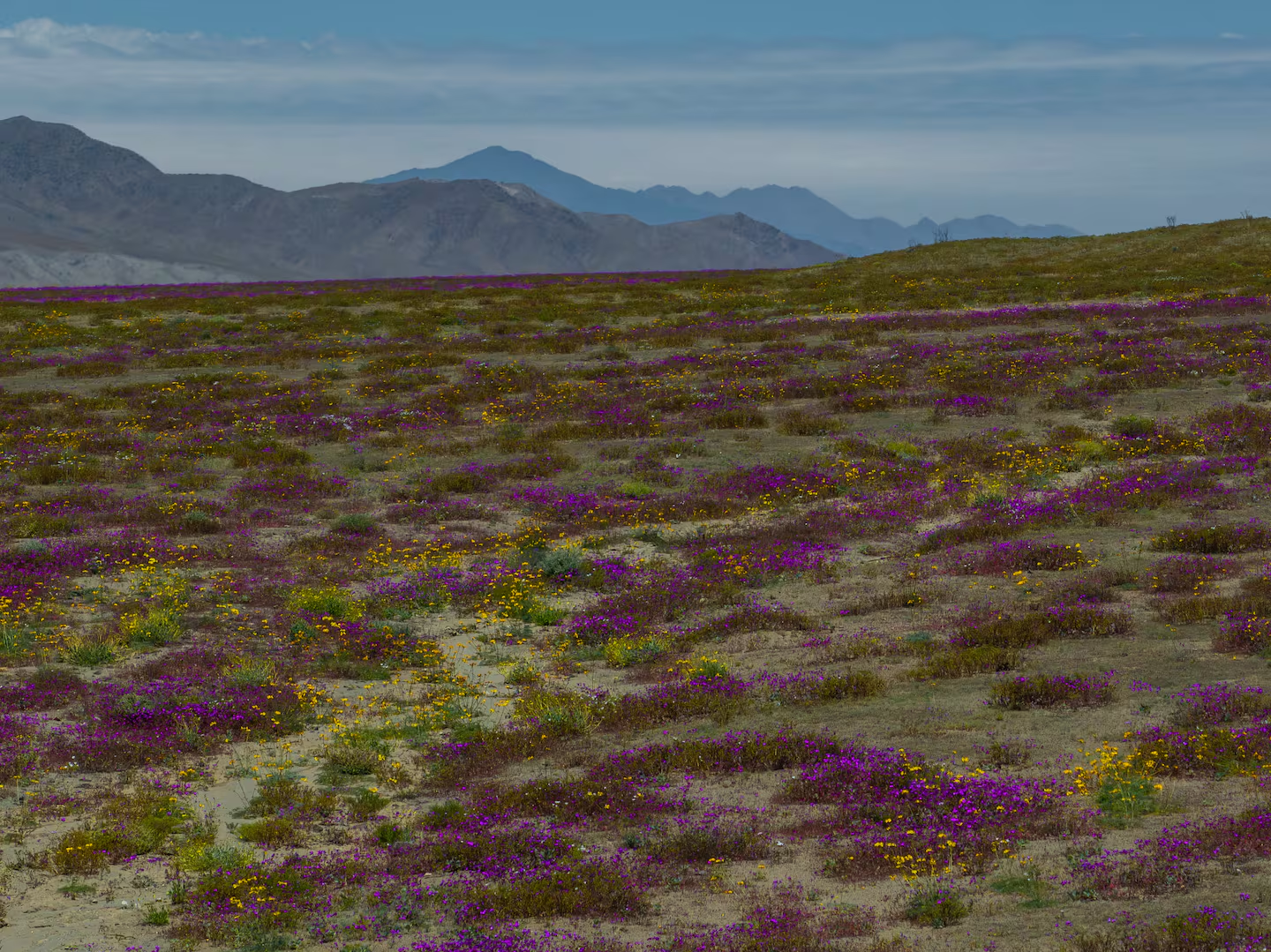
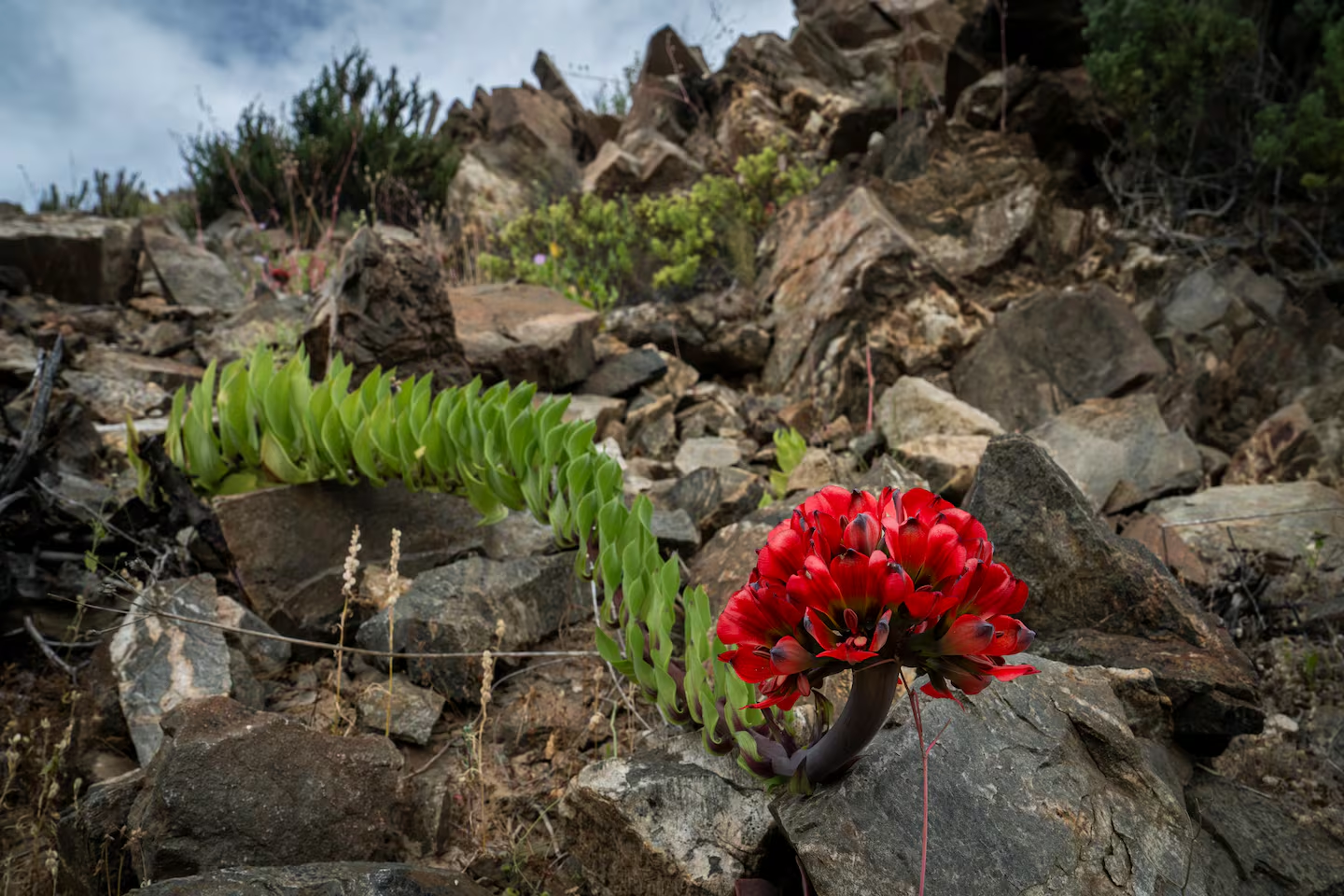
The display began as a pale-yellow haze, then turned purple, and now streaks nearly every crevice of the desert. Among the star attractions is the crimson garra de león, an endemic flower found along just a few miles of coastline.
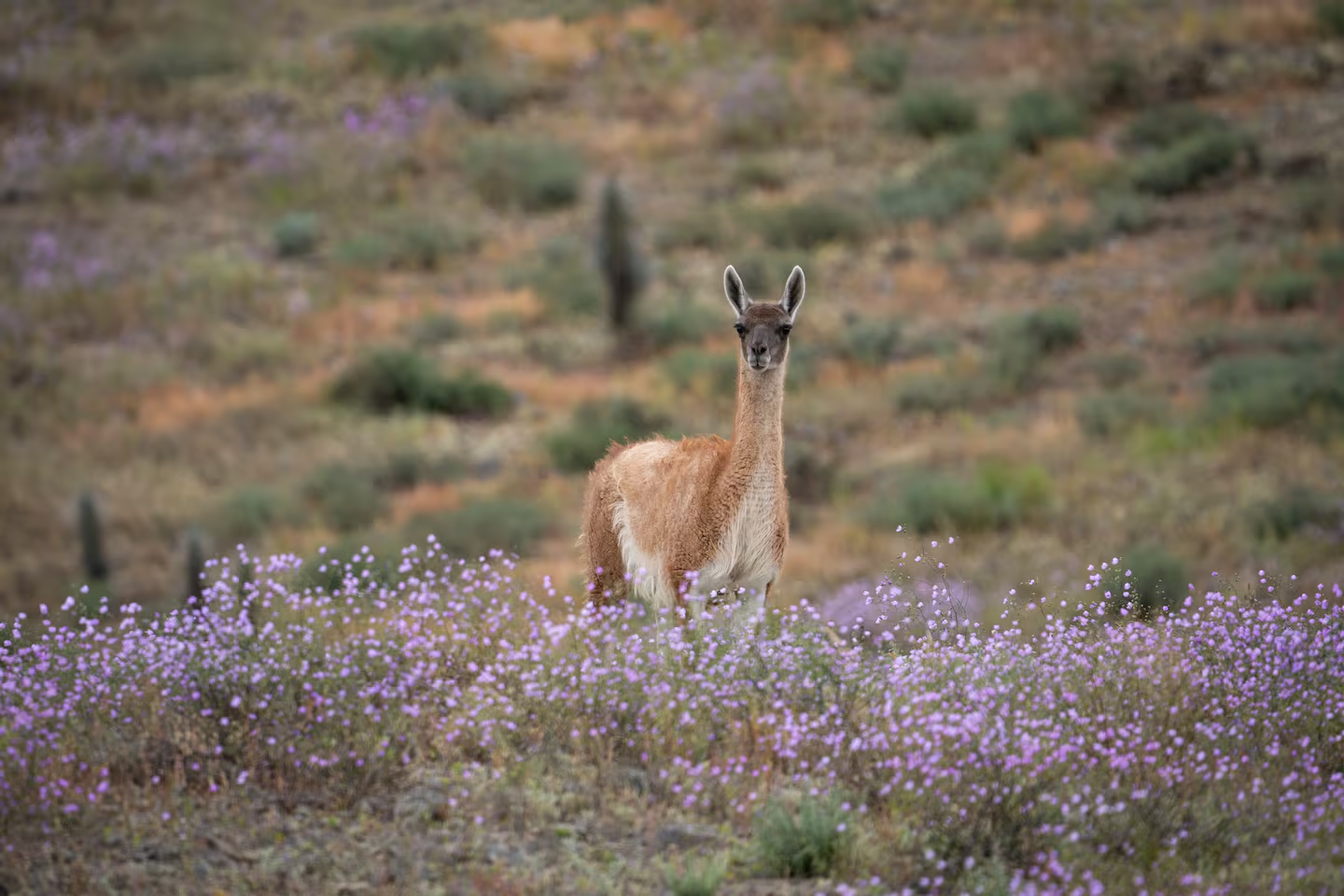
The bloom also supports a temporary ecosystem of insects, lizards, bats, and guanacos.
Llanos de Challe National Park has received 15,000 visitors in recent weeks, compared with about 10,000 in a normal year, and the region expects around 300,000 overnight trips during the two-month bloom.
Biologists from Chile's national seed bank are collecting specimens to preserve their genetic material and drought adaptations before the season ends in mid-November.
Regional governor Miguel Vargas has begun seeking UNESCO World Heritage recognition, saying it would help diversify an economy heavily reliant on mining.
Scientists are now asking whether this was the largest flowering on record and whether it will reveal previously unknown species.
FYI
The Atacama bloom occurs every few years, but scientists say it is becoming more frequent as climate change brings unseasonal rains.
A national park dedicated to the phenomenon was created in June 2023, protecting 141,000 acres where flowers appear periodically.
If approved, it would be Chile's eighth World Heritage site.
Dive Deeper: Handpicked Stories for You
Follow Channel8 for continuous updates:
Brazil Expands Pantanal National Park by More Than 25%
New Bolivian Wildlife Reserve Protects Vital Amazon Corridor