Trump Floats U.S. Subsidies to Revive Venezuela’s Oil Industry After Maduro’s Arrest
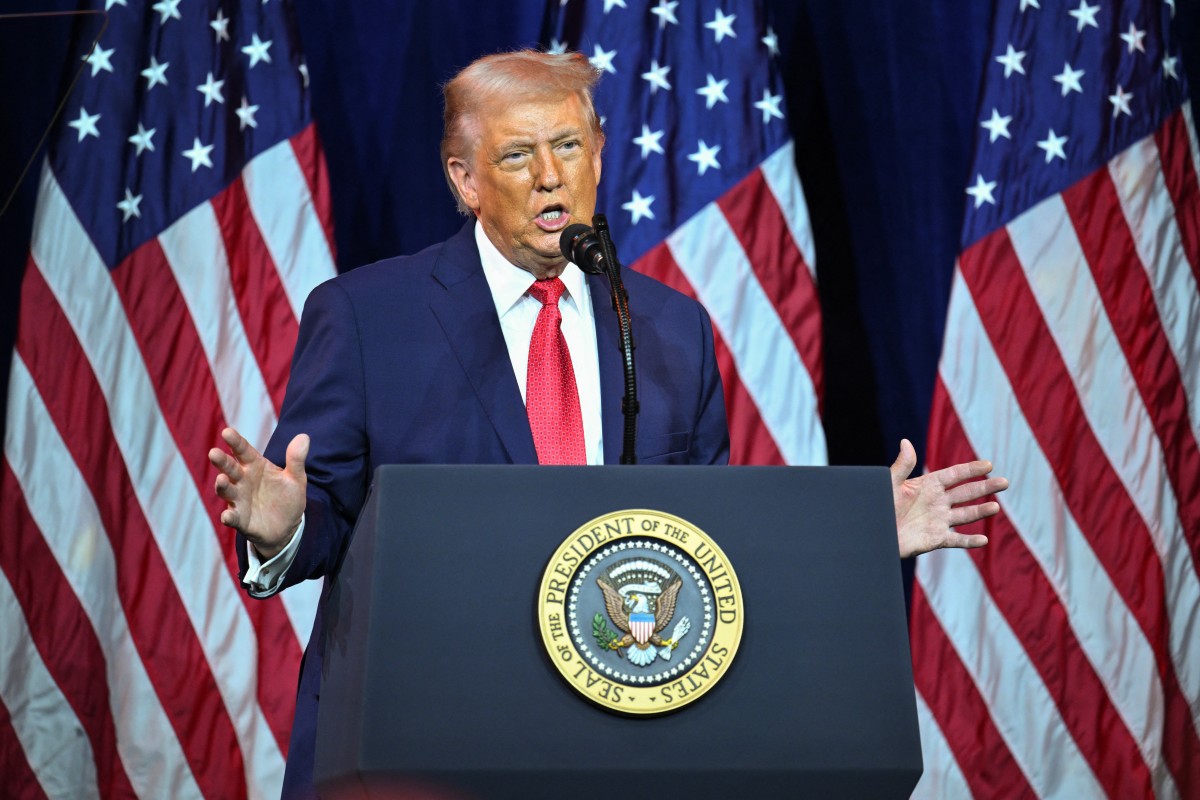
U.S. President Donald Trump suggested Washington may subsidize American energy companies to help rebuild Venezuela’s oil industry, signaling a central role for the country’s vast crude reserves in U.S. plans following the removal of longtime leader Nicolás Maduro.
In an interview with NBC News aired Monday, Trump said U.S. oil companies could restart large-scale operations in Venezuela in less than 18 months, a timeline that contrasts sharply with industry assessments that estimate a decade or more would be needed to restore production.
“I think we can do it in less time than that, but it’ll be a lot of money,” Trump said. “A tremendous amount of money will have to be spent and the oil companies will spend it, and then they’ll get reimbursed by us or through revenue.”
Oil central to U.S. strategy
Trump’s remarks underscore his administration’s view that Venezuela’s oil sector is key both to stabilizing the country and advancing U.S. strategic and economic interests. Venezuela holds the world’s largest proven oil reserves, but years of corruption, underinvestment, fires and equipment theft have left much of its infrastructure in disrepair.
Energy analysts say reviving Venezuela’s oil industry could cost more than $100 billion. At present, Chevron is the only major U.S. oil company still operating in the country, under limited licenses.
Trump declined to say whether he had spoken with executives from Chevron, Exxon Mobil or ConocoPhillips, saying it was “too soon” to discuss such contacts.
“I speak to everybody,” he added.
U.S. Energy Secretary Chris Wright is expected to meet oil industry executives this week while attending the Goldman Sachs Energy, Clean Tech & Utilities Conference in Miami, according to people familiar with the plans.
Political and legal backdrop
Trump’s comments come days after a U.S. military operation that led to Maduro’s capture and transfer to the United States. Maduro was arraigned in New York on Monday and pleaded not guilty to drug trafficking and weapons charges, calling himself “innocent” and denying U.S. accusations that he ran a criminal network.
The operation has drawn criticism from opponents who argue it may have violated international law and warn that Washington lacks congressional authorization for what could evolve into a prolonged nation-building effort.
House Speaker Mike Johnson said Monday that the seizure of Venezuela’s oil exports gives Washington leverage over the country’s political transition, while downplaying the prospect of deeper U.S. involvement.
“This is not regime change,” Johnson told reporters, adding that the United States does not expect to deploy ground troops.
Interim leadership and elections
Trump said Delcy Rodríguez, who served as Maduro’s vice president and was sworn in as acting president after his removal, has been cooperating with the U.S. administration. He also dismissed the idea of holding rapid elections.
“We have to fix the country first,” Trump said. “You can’t have an election… We have to nurse the country back to health.”
Opposition leader María Corina Machado, a 2025 Nobel Peace Prize laureate, told Fox News she has not spoken with Trump since October. Trump has previously questioned her political influence inside Venezuela.
Energy and prices
Trump argued that restoring Venezuelan oil production would help ease global energy prices.
“Having a Venezuela that’s an oil producer is good for the United States because it keeps the price of oil down,” he said.
Energy experts caution, however, that even with significant investment, Venezuela’s output would take years to recover to levels capable of materially affecting global markets.
06/01/2026