Kremlin Rejects Allegations of European Supermarket Cyberattack Involvement
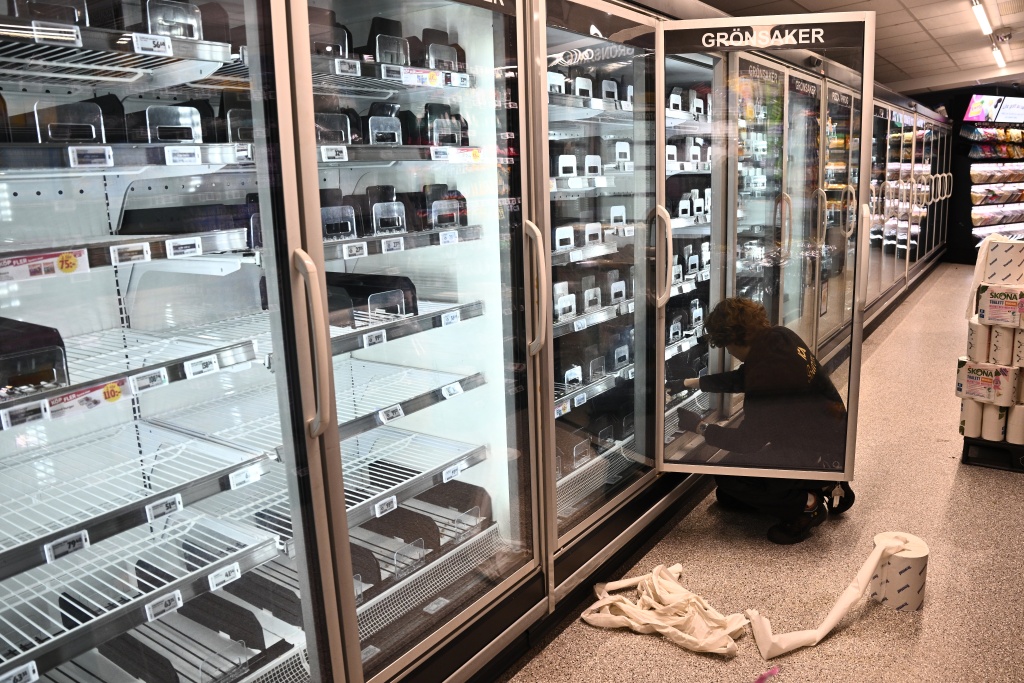
At a Glance
The Kremlin denied targeting European supermarket refrigeration systems, dismissing the accusations as "baseless."
Hackers remotely manipulated fridge software. This cooling disruption caused mass food spoilage.
The Kremlin rejected allegations linking Russia to a wave of disruptive cyberattacks on European supermarket refrigeration systems.
Key Statements and Focus Area
Kremlin spokesperson Dmitry Peskov stated that the claims “are absurd statements and they, as always, have no argumentation or proof behind them.”
A sweeping cyberattack targeting internet-connected cooling software remotely manipulated supermarket fridge temperatures across multiple European countries, resulting in mass food spoilage.
Peskov criticized the allegations as part of a "baseless" and "persistent trend" among European nations to routinely blame Russia.
“I would like to emphasise once again that this is an utterly absurd accusation," he added.
FYI
A sophisticated cyberattack targeting internet-connected cooling management software recently manipulated commercial refrigerator and freezer temperatures across multiple European supermarket chains.
The digital breach remotely overrode climate control interfaces, driving temperatures up significantly and forcing retailers to discard massive volumes of perishable food.
Documented cooling failures disrupted major grocery distributors across at least 10 nations, including Belgium, Sweden, Finland, the Netherlands, and Germany.
European Union security officials formally classified the coordinated network disruption as a deliberate attempt to compromise the continent's critical food supply infrastructure.
National cybersecurity agencies traced the attack vector to internet-exposed industrial control software commonly utilized to regulate large-scale retail refrigeration networks.
While European intelligence services are actively investigating the incident amid an escalating pattern of hybrid threats, official cyber defense agencies note it is too early to formally attribute the infrastructure sabotage to a specific state or threat actor.
Dive Deeper: Handpicked Stories for You
Follow Channel8 for continuous updates:
Kremlin Expects Trump Peace Initiatives to Continue Post-Midterms
Kremlin Says US-Russia Talks Continue on Lifting Fund Sanctions
Russia Reports 613 Drones Targeting Moscow as Strikes Continue in Ukraine