Nugra Salman Fortress: Desert Prison of Anfal Genocide
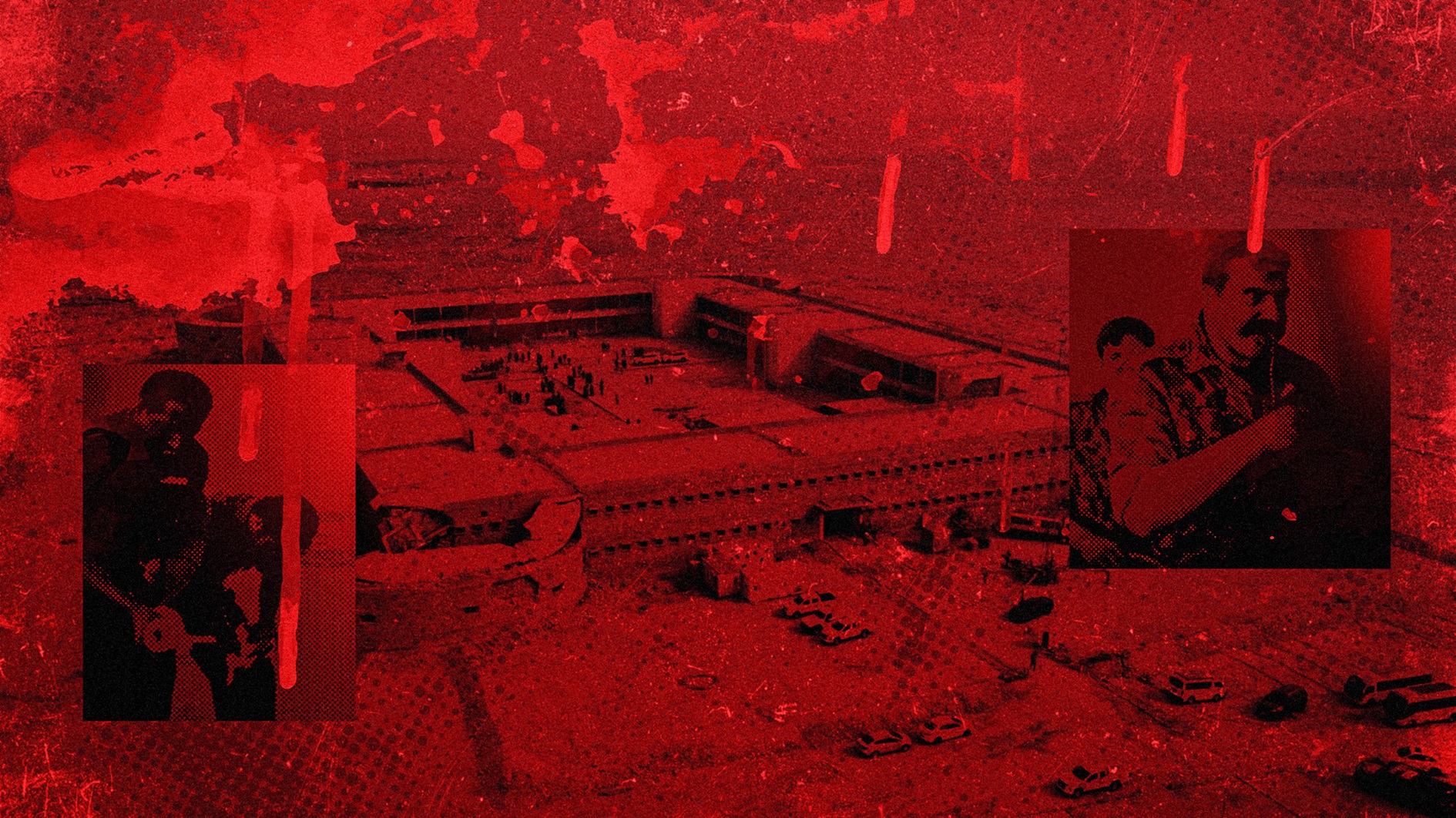
Nugra Salman Fortress stands as a somber monument to one of the most brutal genocides in modern history. During the Baathist era, it was transformed into a site of systematic extermination for the Kurdish people, earning its reputation as a Kurdish graveyard.
History and Geographical Location
Originally constructed in the 1920s by British forces, the fortress—also known as Nugra Salman Prison—is an expansive complex located in the al-Salman District of the Muthanna Governorate.
Situated in the desolate desert region between Iraq and Saudi Arabia, its isolation served as a tool of repression. From its inception following World War I, the facility was used to detain political dissidents and criminals.
The Ba'athist Era and the Anfal Campaign
Following the Baath Party's rise to power, the fortress became a central hub for the detention and liquidation of victims during the Anfal campaign.
Survivors recount a harrowing environment of daily torture, extreme starvation, and dehydration. Reports indicate that guards deliberately poisoned food supplies, leading to the agonizing deaths of countless children and the elderly. Nugra Salman
The prison was overseen by notorious figures, most notably Ajaj Ahmad Hardan al-Tikriti, commonly referred to as Ajaj of Nugra Salman, or The Executioner of Nugra Salman.
As the supervisor of the execution grounds, Ajaj was responsible for the deaths of scores of prisoners. Testimony from witnesses describes a level of depravity where the bodies of children—succumbing to hunger and thirst—were allegedly discarded to desert dogs or buried in unmarked trenches beneath the shifting sands.
Human Toll and Legacy
Unofficial Baathist records suggest that over 9,000 victims of the Anfal campaign were held within these walls, the vast majority being non-combatant children and the elderly. A survivor, released following the general amnesty of September 1988, recalled a chilling inscription on the prison wall: "Welcome to Hell."
For those who considered escape, the surrounding vastness of the desert served as an impassable second wall.
A Call for Remembrance
To this day, Nugra Salman remains an open wound in the collective memory of the region. Hundreds of mass graves in the surrounding area remain unexcavated.
Despite its historical significance as a testament to genocide, the site has yet to be fully preserved or converted into a formal museum. Such a transformation is essential to educate future generations and to honor the immense sacrifice of the Kurdish people.
.webp)