Channel8 Publishes Text of Strategic PUK–New Generation Movement Agreement
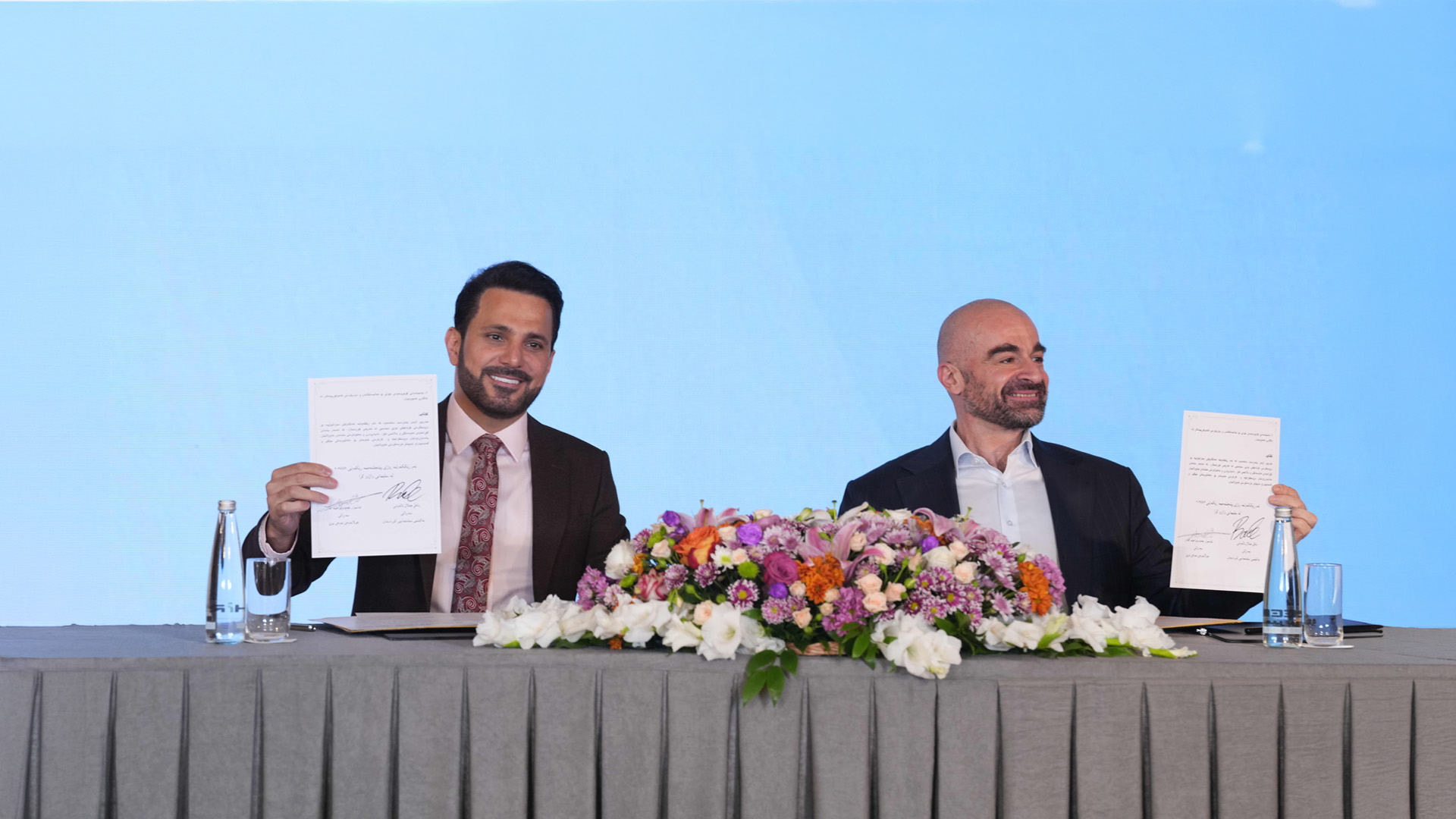
Channel8 has become the first media outlet to publish the full text of a strategic political agreement signed between the Patriotic Union of Kurdistan (PUK) and the New Generation Movement, an accord that both parties describe as a roadmap for reshaping the balance of power in the Kurdistan Region's government and parliament.
The agreement, obtained and released in full by Channel8, sets out a joint program for cooperation inside the Kurdistan Parliament and the Iraqi Council of Representatives, and lays down principles the two sides say will guide the formation of the next Kurdistan Regional Government. Central to the pact are commitments to transparency in the management of oil and non-oil revenues, a formal budget law subject to parliamentary oversight, and a clearer separation between the legislative, executive, oversight and judicial branches.
Beyond questions of governance, the agreement addresses issues that have directly affected household finances across the region. The two parties pledged to work together in the next cabinet to restore a portion of public employees' withheld salary savings and reopen bank accounts for them, to introduce marriage loans for young people, to lower electricity and service prices, and to reduce taxes and fees on tradespeople and small business owners. The agreement also commits both sides to pursuing job opportunities for university and institute graduates and to resolving longstanding grievances among teachers and contract employees.
At the federal level, the PUK and New Generation Movement agreed to coordinate their positions in Baghdad on the Kurdistan Region's budget entitlements, the status of disputed territories, and Peshmerga affairs, framing the effort as a defense of the region's constitutional rights within Iraq's federal system.
The agreement calls for a joint committee from both parties to monitor implementation and hold periodic reviews of progress. In their concluding remarks, the two sides characterized the pact as a strategic step toward a new political phase built on institutional balance, transparency and public trust, one they say is intended to serve citizens without discrimination.
The agreement marks a notable alignment between the PUK, led by Bafel Jalal Talabani, and the New Generation Movement, two of the Kurdistan Region's most prominent opposition and reform-oriented voices, at a moment when talks over parliamentary reactivation and cabinet formation remain unresolved.
Channel8 is publishing the agreement in its entirety below.
Full Text of the Agreement
For the sake of democracy, protecting and embodying the rights of citizens, improving their lives and livelihoods, and enhancing governance, both sides, the New Generation Movement and the Patriotic Union of Kurdistan, sign a strategic political agreement. This agreement aims to restore balance and reorganize the balance of power within the political landscape of the Kurdistan Region, and to strengthen national partnership in a manner that serves the interests of citizens without discrimination, ensuring fair and transparent management of public resources.
This agreement is a response to the current political and economic complexities in the Kurdistan Region and Iraq. It is an effort to create a new model of governance built on justice, institutional balance, and transparency in managing financial revenues, to increase citizens' trust in official institutions, and to direct the work of these institutions toward improving livelihoods, salaries, and providing the best services to citizens.
Principles of this Agreement
First: Objectives of the Agreement
- Restoring the balance of political power in the Kurdistan Region through the cooperation of governance, parliamentary, and political institutions, and creating a political block for this current stage.
- Strengthening joint action to form official institutions based on consensus and balance.
- Consolidating the principles of justice and transparency in managing financial resources and revenues, most importantly by establishing a budget law for the Kurdistan Region.
- Developing an institutional governance system that limits and eliminates the monopoly of power, while strengthening oversight and accountability.
- Consolidating the principle of separation of powers between the legislative, oversight, executive, and judicial branches, and respecting the independence and neutrality of the judiciary.
Second: Cooperation at the Kurdistan Parliament Level
- Coordination and unified stances within the Kurdistan Parliament and the Council of Representatives of Iraq to support political and institutional reform, and to back vital joint projects to pass them into law.
- Supporting laws that increase financial transparency and oversight over public revenues.
- Forming joint committees to monitor the implementation of reforms and evaluate performance.
- Strengthening the role of the Kurdistan Parliament as an oversight and legislative authority.
- Agreeing on the drafting of bills and their approval by the parliament and legislative bodies.
- Working to restore and amend laws that need revision, as well as decisions issued outside parliamentary laws that have harmed the lives and livelihoods of various segments of citizens.
- Preparing and passing bills that improve the living standards of citizens, particularly in the fields of health, education, all service sectors, taxes, and fees.
The alliance will work together in the next cabinet of the Regional Government to establish and implement the following points:
- a. Restoring a portion of the withheld and deducted salary savings of public employees and opening bank accounts for them.
- b. Providing marriage loans to youth.
- c. Lowering the prices of electricity and other services.
- d. Reducing taxes and fees on tradespeople and small business owners.
- e. Finding job opportunities for university and institute graduates, and establishing an institution for civil service and employment opportunities.
- f. Resolving the issues of teachers and temporary/contract employees.
Third: Cooperation at the Iraqi Council of Representatives Level
- Unifying political stances within the Iraqi Council of Representatives regarding the rights of the Region, especially the budget, financial rights, and entitlements of the citizens of the Kurdistan Region, the issue of contested territories, and the Peshmerga.
- Joint action to ensure the protection of the constitutional rights of the Kurdistan Region within the framework of the federal system.
Fourth: Principles of Forming the Kurdistan Regional Government
- Working to form a government based on the balance of power, political equilibrium, and genuine partnership.
- Working toward a fair distribution of posts and governmental responsibilities.
- Ensuring complete transparency in the management and collection of oil and non-oil revenues.
- Creating an independent financial oversight mechanism to safeguard transparency and accountability.
- Strengthening the role of oversight, judicial, and integrity commissions, free from partisan interference.
- Establishing the requirement of a budget law approved by the Kurdistan Parliament and implemented under its supervision by the Regional Government, provided it ensures fairness across all areas.
Fifth: General Principles
- Both sides commit to joint action to realign the direction of governance in the Kurdistan Region in a way that strengthens the principles of democracy and institutional balance.
- Launching a general reform program to reorganize government and parliamentary decision-making mechanisms transparently, and defining the powers of the Prime Minister, the Deputy Prime Minister, and ministers.
- Strengthening the independence of the legislative and judicial branches and ensuring the clear separation of powers.
- Working with all political parties and relevant institutions to draft and approve a constitution for the Kurdistan Region that protects the entity, rights, and entitlements of citizens, and guarantees democratic processes and civil rights.
- Reviewing financial and administrative policies in a manner that ensures fair revenue management and creates a balanced distribution among institutions and regions.
- Adhering to good governance standards when appointing high-ranking officials.
- Opening the door for the participation of political and social forces in the reform process to ensure political continuity and institutional stability.
Sixth: Mechanisms for Implementing and Following Up on this Agreement
- Forming a joint committee from both sides to monitor the implementation of the clauses and articles of this agreement.
- Holding periodic meetings to evaluate progress and identify shortcomings, should any exist.
Conclusion
Both sides reaffirm that this agreement is a strategic step toward creating a new political phase in the Kurdistan Region. It is built upon restoring the balance of power, achieving justice, strengthening citizens' trust in institutions, and working jointly for a stable and prosperous future to serve the citizens.
.webp)