Kurdistan and Kirkuk Export 193,000 Oil Barrels Daily
At a Glance
- 193,000 barrels exported via Ceyhan.
- Kurdistan contributes 133,000 barrels.
- Kirkuk exports 60,000 barrels.
- Higher exports planned by mid-August.
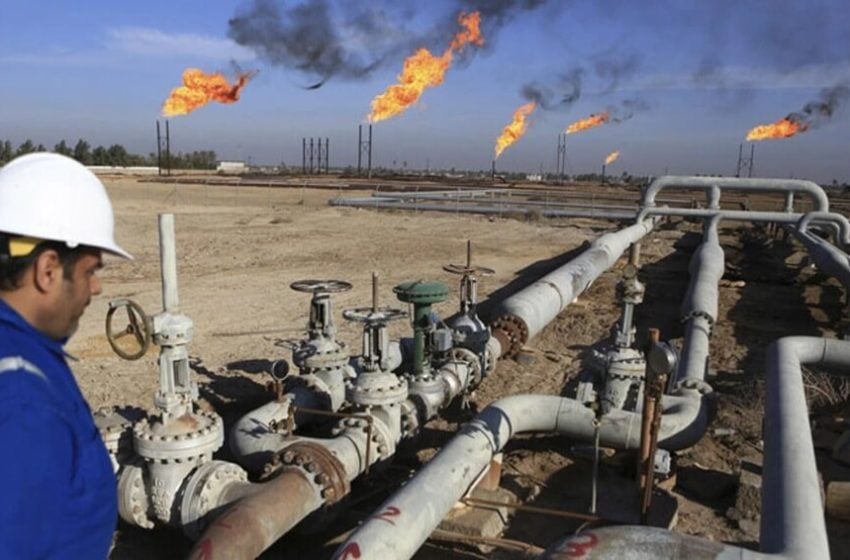
Information obtained by Channel8 indicates that oil exports through the Kurdistan Region's pipeline to Turkey's Port of Ceyhan reached 193,000 barrels on Monday, with most of Kirkuk's crude remaining inside Iraq to supply domestic refineries and fuel production.
Key Statements and Focus Area
- An official from the North Oil Company told Channel8 that 193,000 barrels were exported through the Ceyhan pipeline on July 27.
- Of the total exports, 133,000 barrels came from the Kurdistan Region and 60,000 barrels from Kirkuk.
- "The remaining 268,000 barrels of Kirkuk's production are allocated to domestic refineries," the official said.
- The North Oil Company expects Kurdistan's oil exports to rise to 200,000 barrels per day by mid-August, provided security conditions remain stable.
193,000 Barrels Exported Through Ceyhan Pipeline
An official from the North Oil Company (NOC) told Channel8 that total oil exports through the Kurdistan Region's pipeline to Turkey's Port of Ceyhan reached 193,000 barrels on Monday, July 27.
According to the official, 133,000 barrels originated from oil fields in the Kurdistan Region, while the remaining 60,000 barrels were produced in Kirkuk.
The Kurdistan Region currently produces 183,000 barrels of oil per day.
Of that total, 50,000 barrels are retained to meet domestic demand and support fuel generation, while the remaining 133,000 barrels are exported.
Most Kirkuk Crude Supplied to Local Refineries
Kirkuk produces 328,000 barrels of crude oil per day, according to the North Oil Company.
Only 60,000 barrels are exported, while the remaining 268,000 barrels are distributed to domestic refineries for the production of gasoline, diesel, and kerosene.
The allocation includes:
- 90,000 barrels to the KAR Refinery.
- 38,000 barrels to the Bazian Refinery.
- 140,000 barrels to the Baiji Refinery.
The North Oil Company also said the transport of Basra crude to Kirkuk by tanker has been suspended.
According to the official, the Baiji Refinery cannot process Basra crude because it is classified as medium crude, while the refinery's facilities are designed to refine Kirkuk's light crude.
Exports Expected to Increase by Mid-August
The North Oil Company said it plans to increase exports from the Kurdistan Region in the coming weeks.
According to the official, daily exports of Kurdistan crude are expected to reach 200,000 barrels by mid-August, provided the security situation remains stable and oil field operations continue without disruption.
For You: Through Our Lens
The resumption of exports through the Iraq–Turkey pipeline has gradually increased crude shipments from the Kurdistan Region after a prolonged suspension. Authorities have been working to restore export capacity while balancing domestic fuel demand, with Kirkuk continuing to supply most of its production to Iraqi refineries and the Kurdistan Region steadily increasing export volumes as operations recover.
28/07/2026