Displaced Syrian Kurds Await Return Despite Government Deal
At a Glance
- Thousands remain displaced from Serekani (Ras al-Ain)
- Return remains stalled despite January agreement
- Security concerns hinder families' return
- Residents say others still occupy their homes
Thousands of displaced Syrian Kurds remain unable to return to their homes in Serekani (Ras al-Ain) despite a January agreement between the Syrian government and the Syrian Democratic Forces (SDF), with many citing ongoing security concerns and the continued occupation of their properties.
Key Statements and Focus Area
- Displaced residents: Camp residents say people linked to Turkish-backed factions continue to occupy their homes.
- Implementation delays: Kurdish officials say the return of Serekani residents remains one of the key unresolved issues in the agreement with Damascus.
- Security concerns: Local representatives cite the security situation and continued Turkish influence as major obstacles.
- Local authorities: A provincial official says some families have already returned and that occupied homes have been vacated when owners sought official assistance.
Families Say They Cannot Return Home
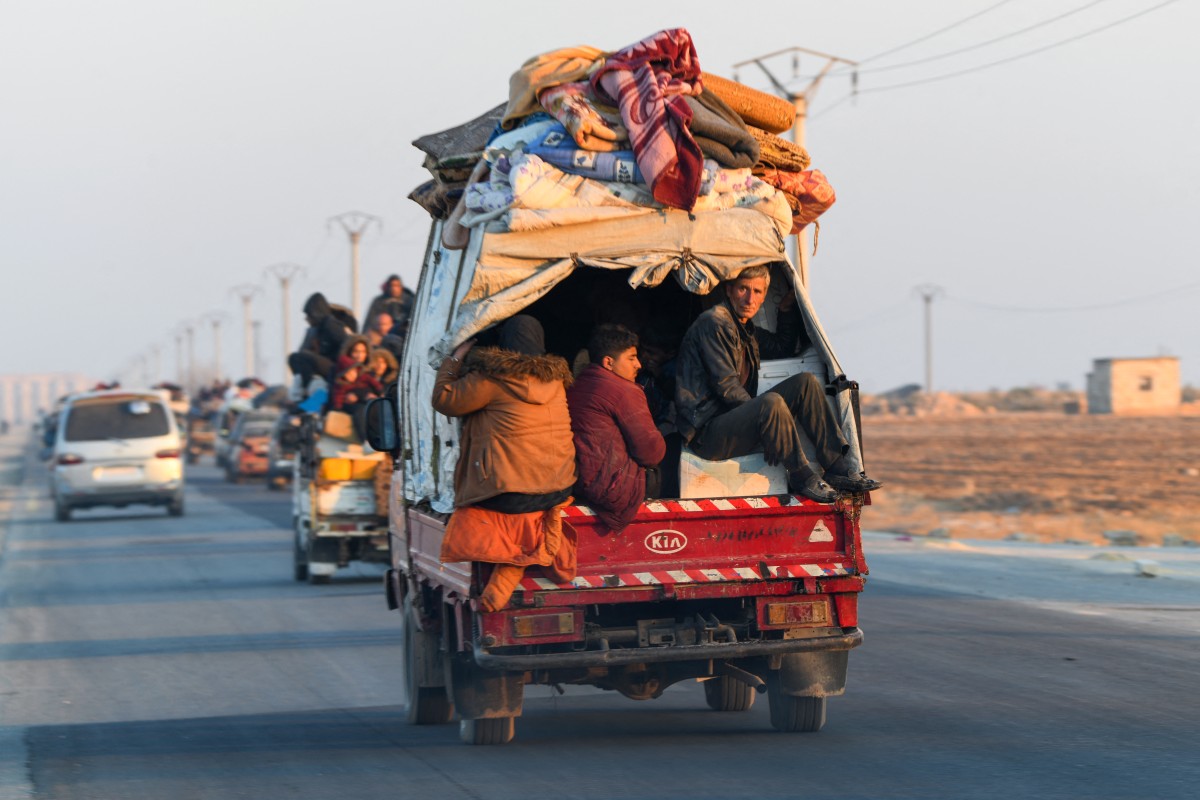
At the Talaeh camp outside Hasakeh, thousands of displaced Kurds continue to wait for the chance to return to Serekani, seven years after they fled during Turkey's 2019 military offensive in northern Syria.
Ahmad Oussi, 26, said people linked to Turkish-backed factions remain in homes belonging to displaced residents.
"The factions are living in our homes," he said, adding that some had told him the houses now belonged to them.
He urged the Kurdish administration and the Syrian government to facilitate the return of displaced families as soon as possible.
Camp Residents Cite Ongoing Insecurity
Residents say they continue to receive promises that they will soon be able to return, but no large-scale returns have taken place.
Kubar Qader, a 43-year-old mother of seven, said fear remains the biggest obstacle.
"There's no safety because they're still living in our homes," she said. "We want to go back and live in our home without fear or threat."
According to the United Nations, about 5.5 million people remain internally displaced across Syria after more than 13 years of conflict.
Agreement Yet to Be Fully Implemented
The return of displaced residents from Serekani formed part of an agreement reached in January between the Kurdish-led Syrian Democratic Forces and the Syrian government to integrate Kurdish institutions into the Syrian state.
While displaced families have returned to parts of the Kurdish-majority Afrin region, residents from Serekani are still waiting.
Abdel-Karim Omar, the Kurdish administration's representative in Damascus, described the return of displaced people to Serekani as one of the agreement's main unresolved issues.
Jawan Isso, a representative of a committee for displaced residents, said preliminary measures, including assessment visits and demining operations, had begun, but "significant obstacles" remain because of security concerns and continued Turkish influence in the area.
Officials Report Limited Returns
A Hasakeh provincial official told AFP that dozens of families have already returned to Serekani.
The official said some faction members had been occupying homes but left after the owners contacted local authorities. He also said some displaced residents affiliated with the SDF remain reluctant to return because they fear possible retaliation unless they do so through official government channels.
Despite years of displacement, many camp residents say they remain determined to return.
Fatna Abdel-Qader, 65, said life in the camp cannot replace the home she left behind.
"This tent is nothing like the home I left seven years ago," she said. "I long for the land of Serekani, and it is my wish to die there."
FYI
Turkey launched military offensives into northern Syria in 2018 and 2019 against Kurdish-led forces, capturing areas including Afrin and Serekani with the support of allied Syrian factions. Human rights organizations have documented allegations of property seizures and looting following the 2019 offensive. The January 2026 agreement between Damascus and the SDF included provisions for integrating Kurdish institutions into the Syrian state and facilitating the return of displaced residents, although implementation remains incomplete.
29/07/2026