EU Scrambles to Respond as Ceuta Migrant Crisis Grows
At a Glance
- Around 60,000 migrants enter Ceuta.
- At least 34 people die during crossings.
- EU leaders call for coordinated response.
- Spain reinforces security at the border.
The European Union is scrambling to respond to a rapidly escalating migration crisis after around 60,000 migrants crossed from Morocco into Spain's North African enclave of Ceuta within days, overwhelming local authorities and prompting diplomatic tensions across Europe.
Key Statements and Focus Area
- EU Commission President Ursula von der Leyen called the scenes in Ceuta "unacceptable."
- Spanish Prime Minister Pedro Sanchez blamed human trafficking networks for encouraging the mass crossings.
- Spain has deployed additional troops, police, drones, boats, and rescue teams to Ceuta.
- Several European countries have called for stronger border measures as the crisis unfolds.
Mass Arrivals Overwhelm Ceuta
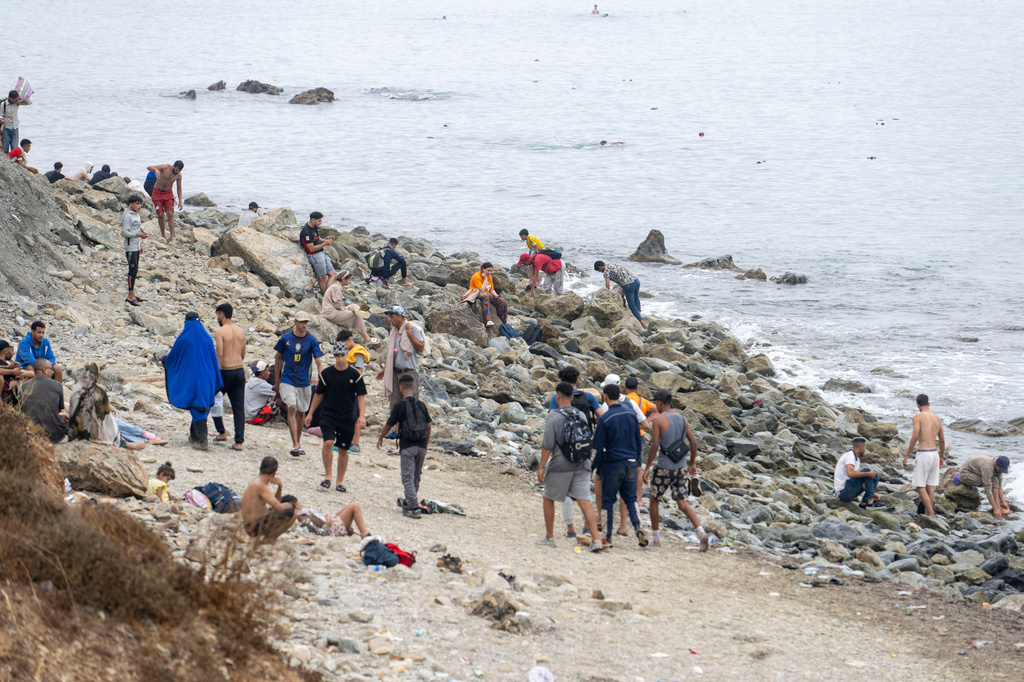
Around 60,000 migrants have crossed from Morocco into Spain's North African enclave of Ceuta in recent days, according to Ceuta regional president Juan Jesús Vivas.
Many entered by swimming around a border barrier extending into the Mediterranean Sea. Authorities say at least 34 people died during the crossings.
Spain's Interior Ministry said 25,000 migrants had voluntarily returned to Morocco by Friday.
European Leaders React
The crisis has triggered concern across the European Union.
European Commission President Ursula von der Leyen described the scenes in Ceuta as "unacceptable," stressing that entry into the European Union must follow established rules.
Italy renewed calls to suspend Spain from the Schengen free-travel area, a position later backed by Finland and Denmark. German Chancellor Friedrich Merz called on Morocco to "take back illegal migrants immediately."
France and the United Kingdom offered support to Spain, while France also announced tighter border checks with its southern neighbor.
Morocco Steps Up Border Controls
On the Moroccan side of the border, security forces used tear gas and water cannons to disperse thousands of people gathered near Ceuta.
Authorities also carried out arrests as they sought to prevent further crossings.
Moroccan officials have not publicly explained the sudden surge but confirmed discussions with Spain over the situation.
Questions Over the Cause
Spanish officials say the crisis was fueled by human smuggling networks exploiting confusion over a recent Supreme Court ruling that limits the immediate return of migrants arriving by sea.
However, the precise cause of the sudden increase in crossings remains unclear.
The latest developments have also renewed attention on relations between Spain, Morocco, and Algeria following recent diplomatic engagement between Madrid and Algiers.
FYI
Ceuta and Melilla are Spain's two autonomous cities on the North African coast and represent the European Union's only land borders with Africa. Both have experienced repeated migration surges over the past two decades. A similar crisis occurred in 2021, when more than 10,000 migrants entered Ceuta during a diplomatic dispute between Spain and Morocco over Western Sahara, highlighting the territory's strategic importance in European migration policy.
Dive Deeper: Handpicked Stories for You
Follow Channel8 for continuous updates:
https://channel8.com/english/news/62715
31/07/2026