KRG Demands Global Action, Urges Baghdad to Fast-Track ISIS Trials and Enforce Shingal Pact
At a Glance
- KRG senior official is demanding urgent international and federal action to prosecute ISIS militants.
- More than 2,526 Yazidis remain missing over a decade after the 2014 Shingal genocide.
- Systemic legal action is deemed crucial to addressing the ongoing financial and emotional toll on survivors
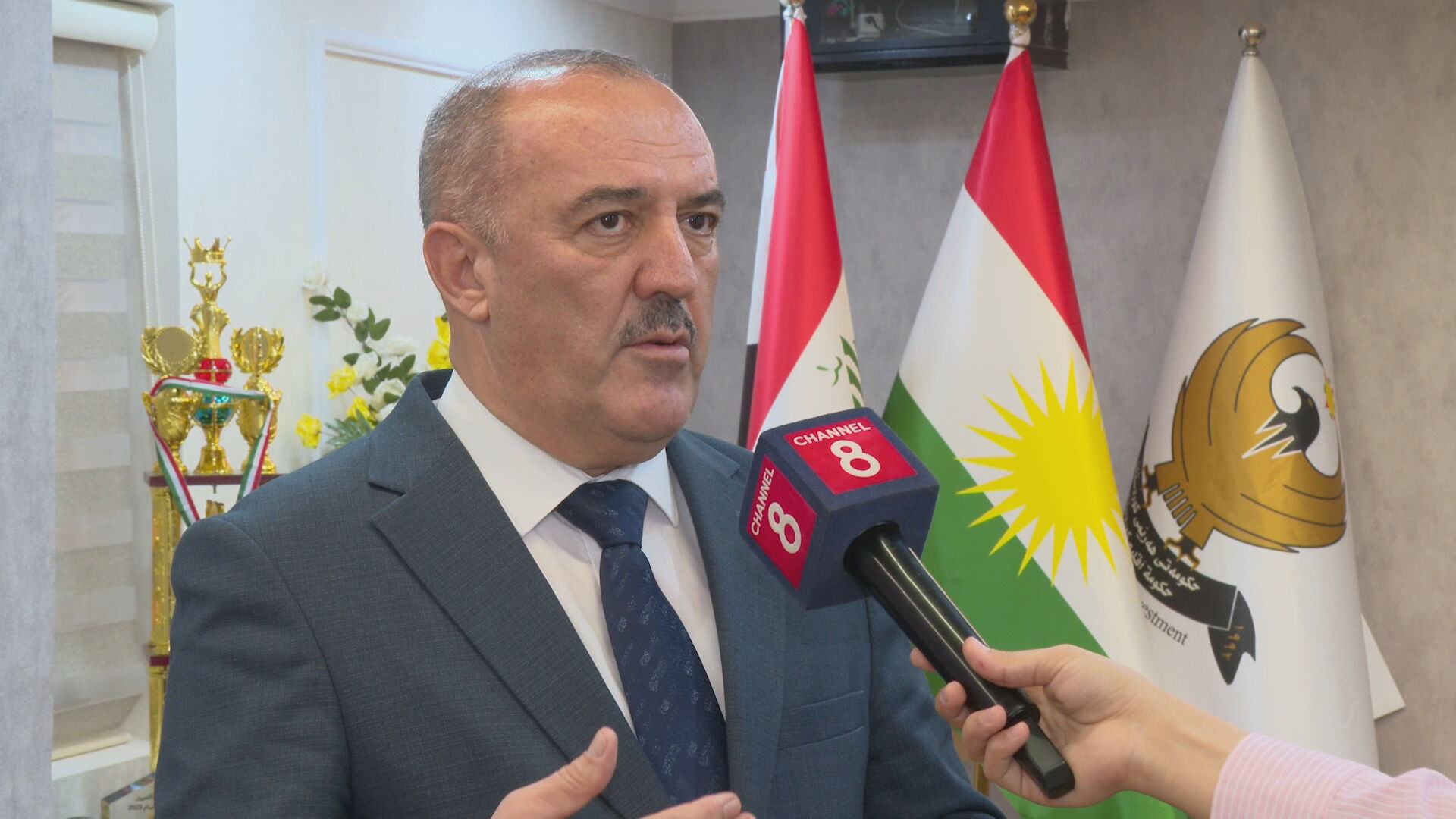
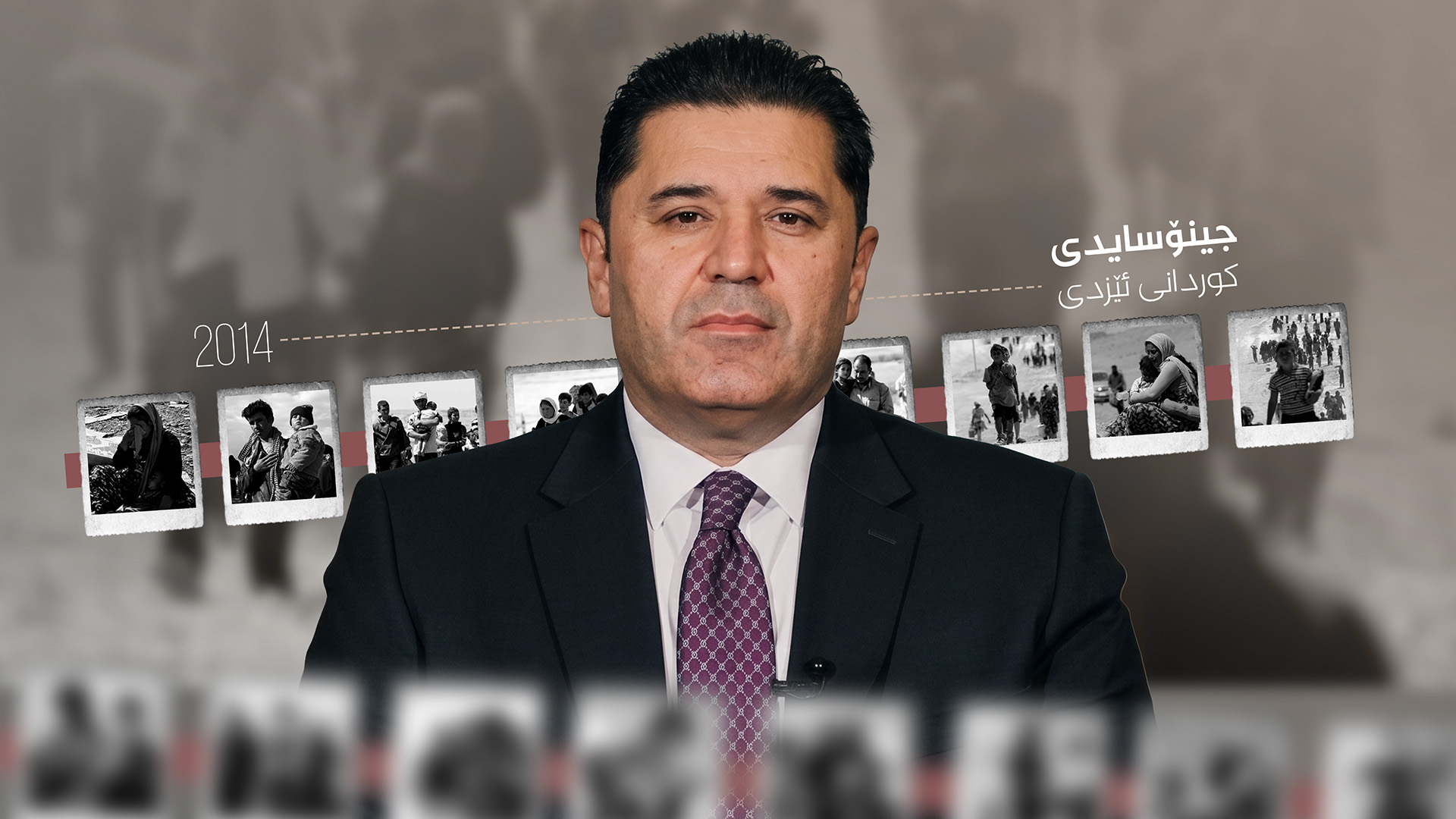
Dr. Dindar Zebari, the KRG’s Coordinator for International Advocacy, issued a sharp appeal to mark the twelfth anniversary of the 2014 genocide. He called for international and federal action to prosecute ISIS militants, adding that while the KRG has successfully rescued 3,595 abductees, the fate of 2,526 individuals remains completely unknown.
Key Statements and Focus Area
- "The crimes committed against the Yazidis and other communities constitute genocide, crimes against humanity, and war crimes under international law and relevant international decisions," Zebari stated.
- He said KRG continues providing critical services, financing psychological care, and digitally archiving ISIS atrocities.
- Zebari demanded the full execution of the Sinjar Agreement and the removal of illegal militias.
The KRG’s Coordinator emphasized that these atrocities "must never be forgotten" and that those responsible must face full legal accountability.
The scale of the 2014 genocide remains staggering. According to KRG data:
- 6,417 total Yazidis were abducted (3,548 males and 2,869 females).
- 5,000 Yazidis were executed during the initial attacks.
- Hundreds of thousands were forced to flee into the Kurdistan Region.
When the attacks began, Erbil immediately opened its borders. Zebari noted that the KRG provided instant shelter, built camps, and delivered vital humanitarian aid despite facing severe security threats and economic blockades at the time.
Today, the Kurdistan Region continues to shoulder a massive displacement crisis. Over 135,000 Yazidis still live in displacement camps across the Region, while nearly 190,000 live in nearby towns and cities.
Zebari affirmed that the KRG "continues to provide essential services while working to create the conditions necessary for their voluntary, safe, dignified, and sustainable return to Sinjar."
Beyond immediate physical aid, the KRG has focused heavily on long-term justice. The government is currently financing psychological care for survivors, excavating mass graves to identify victims, and digitally archiving evidence of ISIS atrocities. This documentation work has been conducted in tandem with UNITAD, the United Nations investigative team tasked with promoting accountability for ISIS crimes.
Zebari closed with a renewed plea to Baghdad and global powers to fast-track the judicial process for captured terrorists, ensuring the financial and emotional toll on survivors is finally met with systemic justice.
The official underlined the urgent need to identify missing victims, clear mass graves, and provide reparations to survivors and their families.
Furthermore, he called for the complete removal of illegal militias, full execution of the Shingal Agreement, and the establishment of official local governance to ensure a safe, sustainable return for displaced residents
FYI
On August 3, 2014, ISIS forces initiated a violent offensive against the Shingal region, resulting in the execution of approximately 5,000 Yazidi men and the displacement of more than 200,000 civilians to Mount Sinjar, where they faced a catastrophic siege.
Marking the anniversary, Kurdish leadership reaffirmed their commitment to locating the missing victims and ensuring the preservation of historical memory surrounding the tragedy.
Furthermore, they called upon the federal government to execute the Shingal Agreement and fund reconstruction initiatives necessary for the safe repatriation of hundreds of thousands of internally displaced survivors.
Despite the territorial defeat of ISIS, vital reconstruction, infrastructure repair, and stabilization efforts in the historic homeland remain severely hindered by deep political disagreements and security challenges.
Furthermore, the 2020 Shingal Agreement between Erbil and Baghdad remains entirely unfulfilled, leaving local administrative, security, and reconstruction provisions stalled.
Consequently, thousands of displaced families continue living in camps across the Kurdistan Region, with crucial survivor compensation blocked by severe budget constraints and bank liquidity shortages.
Dive Deeper: Handpicked Stories for You
Follow Channel8 for continuous updates:
https://channel8.com/english/news/62869
https://channel8.com/english/news/62879
https://channel8.com/english/news/62882
https://channel8.com/english/news/62888