Twelve Years Later, Yazidi Genocide Still Leaves Deep Scars
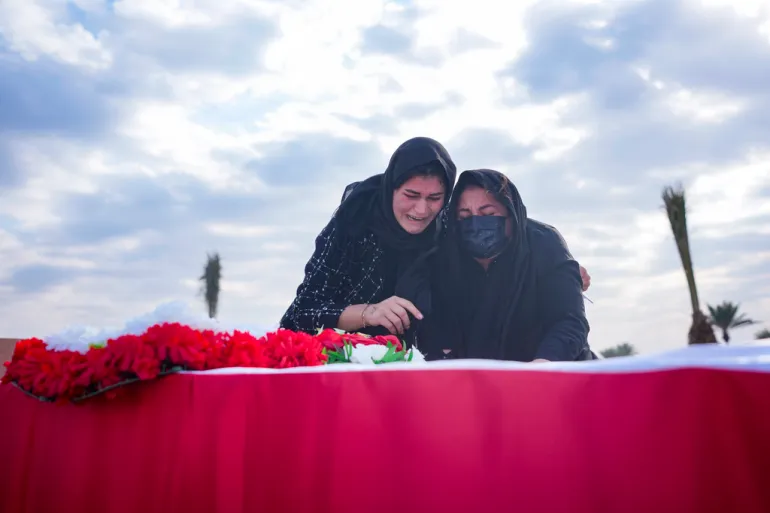
At a Glance
- August 3 marks 12 years since the Shingal genocide.
- Around 2,600 Yazidis remain missing.
- Shingal Agreement remains unimplemented after six years.
- Thousands of displaced Yazidis are still awaiting compensation.
Twelve years after the Islamic State (ISIS) launched its attack on Shingal (Sinjar) on August 3, 2014, the Yazidi community continues to live with the consequences of a genocide that claimed thousands of lives, displaced entire communities, and left thousands of women and children missing.
Six years after the signing of the Shingal Agreement, none of its main provisions have been implemented, while compensation for many survivors remains stalled because of funding shortages.
Key Statements and Focus Area
- More than 3,000 Yazidi men and boys were killed, and over 6,400 women and children were abducted by ISIS.
- More than 3,500 captives have been rescued, while about 2,600 people remain missing.
- The Shingal Agreement remains unimplemented, with its security, administrative, and reconstruction provisions still pending.
- Thousands of displaced Yazidis continue to wait for compensation and a safe return to Shingal.
A Genocide That Changed the Yazidi Community
On August 3, 2014, ISIS launched a large-scale assault on Shingal, the historic homeland of the Yazidi community in northern Iraq.
The attack triggered one of the worst humanitarian crises in Iraq's modern history. Thousands of Yazidi men and boys were killed, while women and children were abducted and subjected to sexual slavery, forced conversion, and human trafficking.
Thousands of civilians fled to Mount Shingal, where many died from dehydration, starvation, and exposure before humanitarian corridors were established.
ISIS also destroyed dozens of Yazidi shrines and religious sites in Shingal and Bashiqa in an effort to erase the community's cultural and religious heritage.
Thousands Still Missing
According to the Office for Rescuing Kidnapped Yazidis, more than 6,400 Yazidis were abducted during the ISIS offensive.
Over the past 12 years, more than 3,500 have been rescued or freed.
However, the fate of approximately 2,600 women and children remains unknown, and efforts to locate and return them continue.
Shingal Agreement Remains Unfulfilled
Six years after the signing of the Shingal Agreement between the federal government and the Kurdistan Regional Government, none of its three main pillars, security, administration, and reconstruction, has been implemented.
Shingal remains under the influence of multiple armed groups, while thousands of displaced Yazidis continue living in camps and waiting for compensation that has been delayed because of what Baghdad describes as budget shortages.
Eidan Shivan, a member of the Nineveh Provincial Council, stated that the Shingal Agreement was made without the Yazidis and is practically finished.
He said the agreement's security provisions, including transferring responsibility to local police and removing armed groups such as the PKK and the Popular Mobilization Forces (PMF) from the district center, have not been carried out.
He also said administrative measures, including appointing a new mayor and reorganizing local security institutions, remain stalled because of political disagreements between Erbil and Baghdad.
Local officials say the continued presence of armed groups and political disputes remain major obstacles preventing displaced families from returning safely to Shingal.
Compensation Process Faces Funding Delays
The compensation process for Yazidi survivors continues to face financial obstacles.
Although Prime Minister Mohammed Shia al-Sudani established a committee in March 2024 to oversee compensation, funding has not been released because of budget constraints.
Dayan Jafar, Director of Migration and Displaced Persons in Duhok, said that of 6,000 displaced people registered to return, only 3,000 have received compensation checks.
He added that many beneficiaries have been unable to cash those checks because banks lack sufficient liquidity.
Recovery Remains Slow
Despite the territorial defeat of ISIS, reconstruction and stabilization efforts in Shingal have progressed slowly.
Political disagreements, security challenges, and disputes over local administration have delayed large-scale rebuilding.
Many Yazidi families remain displaced across the Kurdistan Region, while damaged infrastructure, schools, healthcare facilities, and public services continue to hinder the return of residents.
A Continuing Search for Justice
Twelve years after the genocide, survivors and families of the missing continue to call for justice, accountability, and the safe return of those still unaccounted for.
Community leaders have also renewed appeals for reconstruction, compensation, and the full implementation of the Yazidi Survivors Law, enacted in 2021, which provides for monthly salaries, land allocations, and employment opportunities for survivors.
FYI
The ISIS attack on Shingal began on August 3, 2014, forcing hundreds of thousands of Yazidis to flee their homes. The atrocities have been recognized as genocide by the United Nations, the European Parliament, and several national legislatures. While rescue efforts and the documentation of mass graves continue, the recovery of Shingal remains hampered by political divisions, security challenges, delayed reconstruction, and the incomplete implementation of the 2020 Shingal Agreement.
Dive Deeper: Handpicked Stories for You
Follow Channel8 for continuous updates:
https://channel8.com/english/news/56741