Shaswar Abdulwahid says three proposals are being discussed over the distribution of budgets and political authority in the Kurdistan Region.
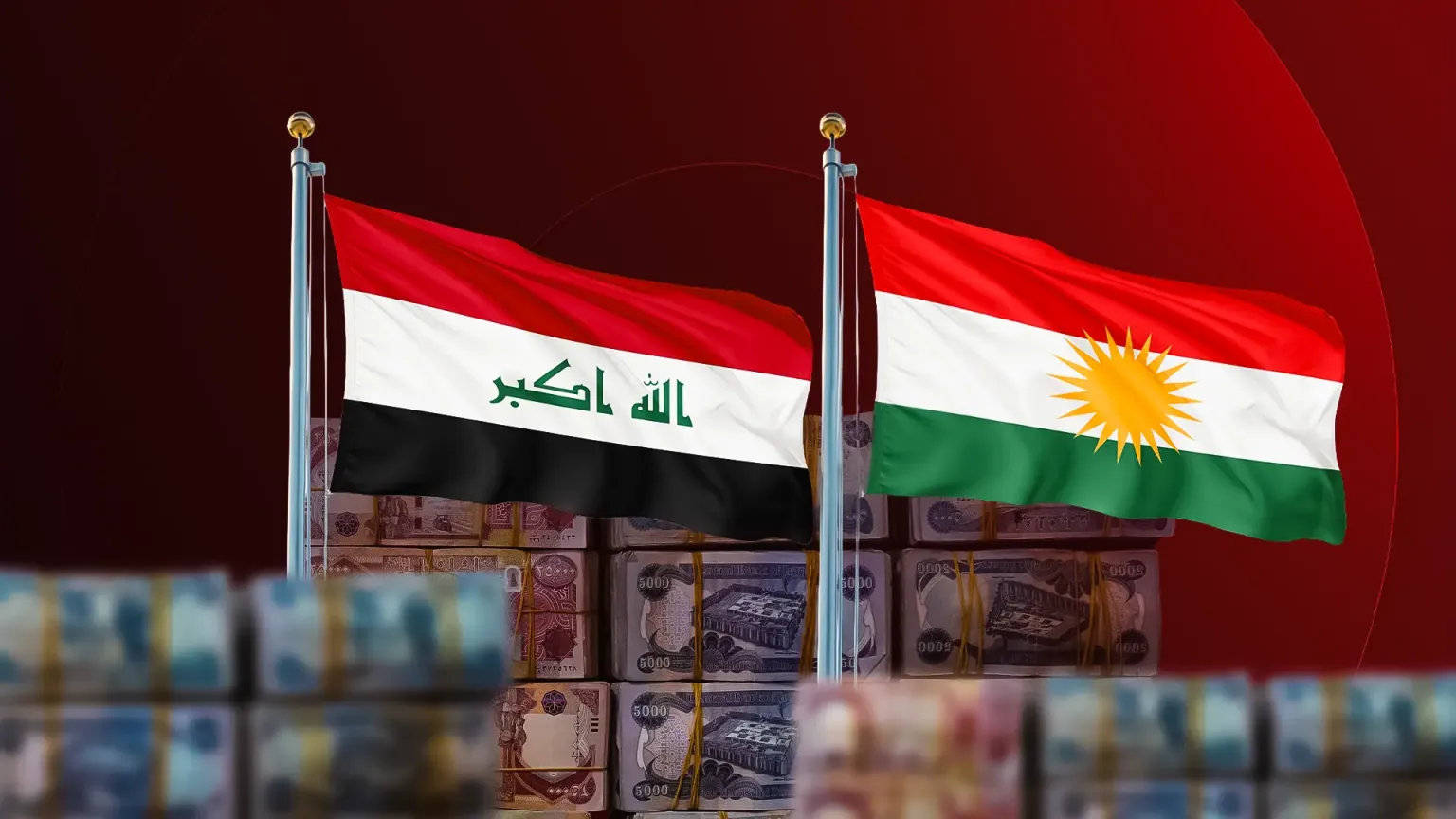
The options include separate budgets for Slemani and Halabja, two governments within one region, or two separate regions.
Abdulwahid says he opposes dividing the Kurdistan Region and supports a unified, democratic system.
Speaking to Channel8, he says Iraqi political parties and the federal government agree that the existing arrangements have created injustice and have no objection to dealing with provinces separately.
New Generation Movement leader Shaswar Abdulwahid has outlined three possible approaches to addressing political and administrative disputes in the Kurdistan Region, including separating the budgets of Slemani and Halabja from those of Erbil and Duhok.
Three proposals under discussion
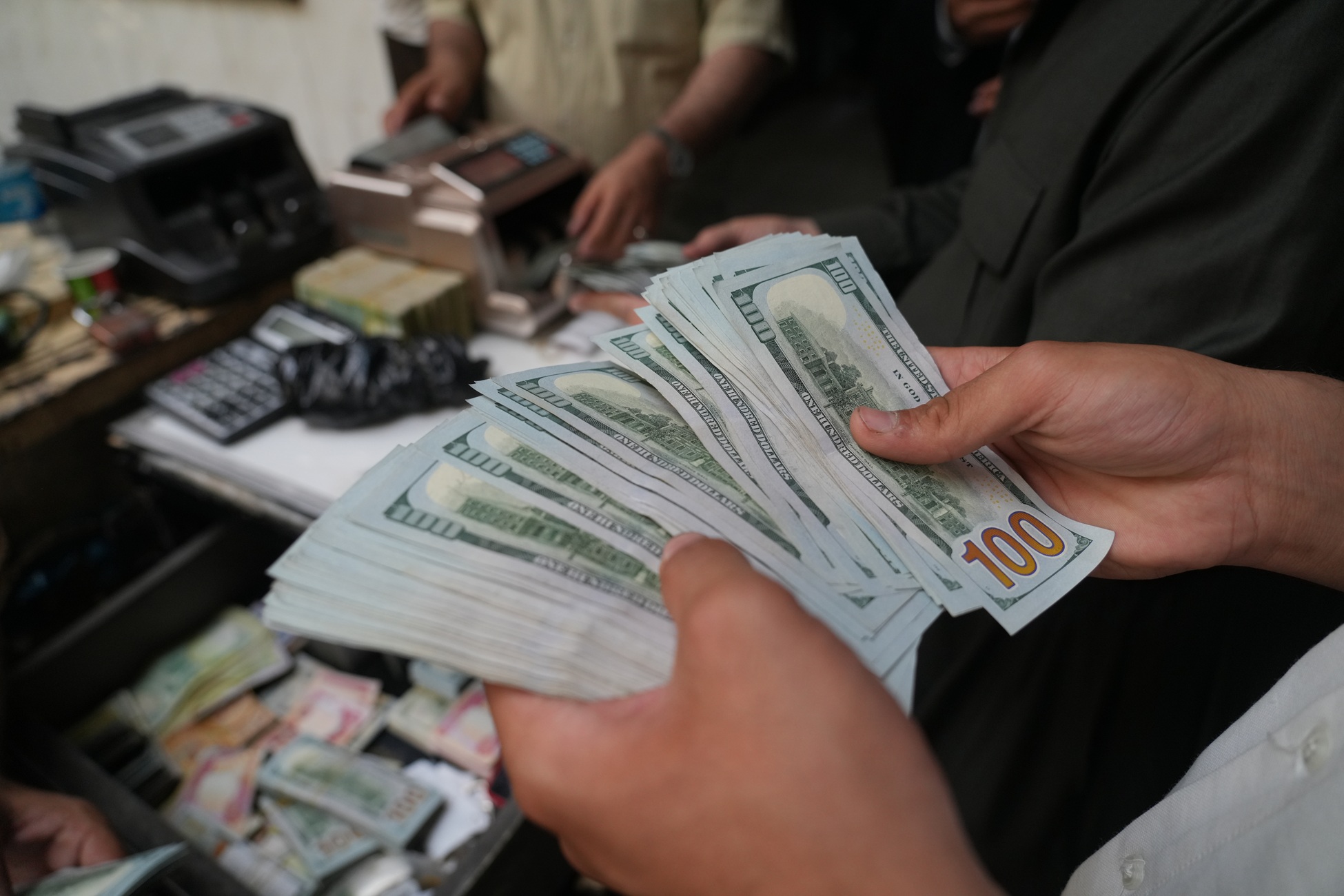
Abdulwahid said the first option would separate the budgets of Slemani and Halabja from Erbil and Duhok, with the possibility of extending financial decentralization to other cities and administrations.
He argued that distributing budgets separately could address what he described as longstanding injustice and prevent the concentration of financial authority in the hands of one person.
The second option, he said, would involve establishing two governments and two prime ministers within a single Kurdistan Region, similar to the administrative arrangement that existed between 2004 and 2006. During that period, Barham Salih served as prime minister in Slemani, while Nechirvan Barzani led the government in Erbil.
The third option would involve establishing two separate regions. Abdulwahid referred to the Iraqi Constitution's provisions for forming a region through a request supported by the required percentage of voters and a referendum.
Abdulwahid says he opposes division
“We are in no way in favor of this.”
Abdulwahid said he wanted to make clear, both personally and on behalf of the Patriotic Union of Kurdistan (PUK), which he described as an ally, that he did not support dividing the Kurdistan Region.
“I want a unified Kurdistan, a good, democratic, freedom-loving government where its people live with dignity.”
He said his political vision included stronger education institutions, employment opportunities, active markets and reliable access to essential services, including electricity and fuel.
Iraqi parties and government
In remarks to Channel 8, Abdulwahid was asked about the positions of Iraqi political parties and the federal government regarding the demands and the three options he had outlined.
“Every single one of them is 100% in agreement that what has existed up until now is an injustice, and they have no issue with dealing [with the provinces] separately.”
His comments indicate that he sees support in Baghdad for addressing the existing administrative and financial arrangements. However, he did not identify the parties or officials involved or clarify whether their position extended to all three options.
Allegations of political pressure
Abdulwahid also accused political rivals of using fraud, financial inducements and intimidation to influence parliamentary proceedings.
He alleged that the family of a parliamentarian had been threatened in an attempt to secure the lawmaker's attendance at a parliamentary session. These allegations were not independently verified in his remarks.
He described the alleged conduct as deeply immoral and said the political situation had left his side with limited options.
The three proposals outlined by Abdulwahid reflect different approaches to addressing disputes over the distribution of public funds and the exercise of political authority across the Kurdistan Region.
The first option focuses on financial decentralization, beginning with separate budgets for Slemani and Halabja. Abdulwahid said the proposal could eventually extend to other administrations, including Zakho and Soran, as well as other cities, arguing that no single individual should control the allocation of funds across all areas.
The second proposal would restore a system of two administrations within one region, with separate prime ministers and governments. Abdulwahid cited the 2004–2006 period as an example of such an arrangement, when Barham Salih headed the administration in Slemani and Nechirvan Barzani led the government in Erbil.
The third option would go further by creating two separate regions. Abdulwahid referred to the constitutional process for establishing regions, which allows a governorate to seek regional status through a qualifying request and a referendum.
Despite outlining all three possibilities, Abdulwahid stressed that he did not favor separation. He said he continued to work with his allies toward a unified political system that could provide better governance and public services.
His remarks to Channel 8 also brought the federal dimension of the dispute into focus. He said Iraqi political parties and the federal government considered the existing arrangements unjust and had no objection to dealing with provinces separately. He did not, however, provide further details about the discussions or indicate that an agreement had been reached on any specific proposal.
The debate over separate provincial budgets and administrative authority is part of the wider political dispute over governance, resource distribution and the relationship between the Kurdistan Region's administrations. Abdulwahid's comments distinguish between financial decentralization within a unified region and the more far-reaching proposals of restoring two governments or establishing separate regions. His account of Baghdad's position is significant, but the extent of federal support for any particular option remains unclear.
Follow Channel8 for continuous updates:
Qubad Talabani Says Kurdistan Region Already Functions as Two Administrations
PUK President Announces Withdrawal From KRG Government, Rejects Parliament Session Outcomes
Kurdistan Parliament Elects New Presidency Amid Major Party Boycott