KRG Slams Move to Transfer Ration Cards to Disputed Areas as Unconstitutional
At a Glance
- The KRG board labeled federal food ration card transfers to disputed territories unconstitutional.
- He warned the policy alters voter registries to manipulate future local election outcomes.
- Erbil will formally demand that Baghdad suspend the federal trade ministry directive.
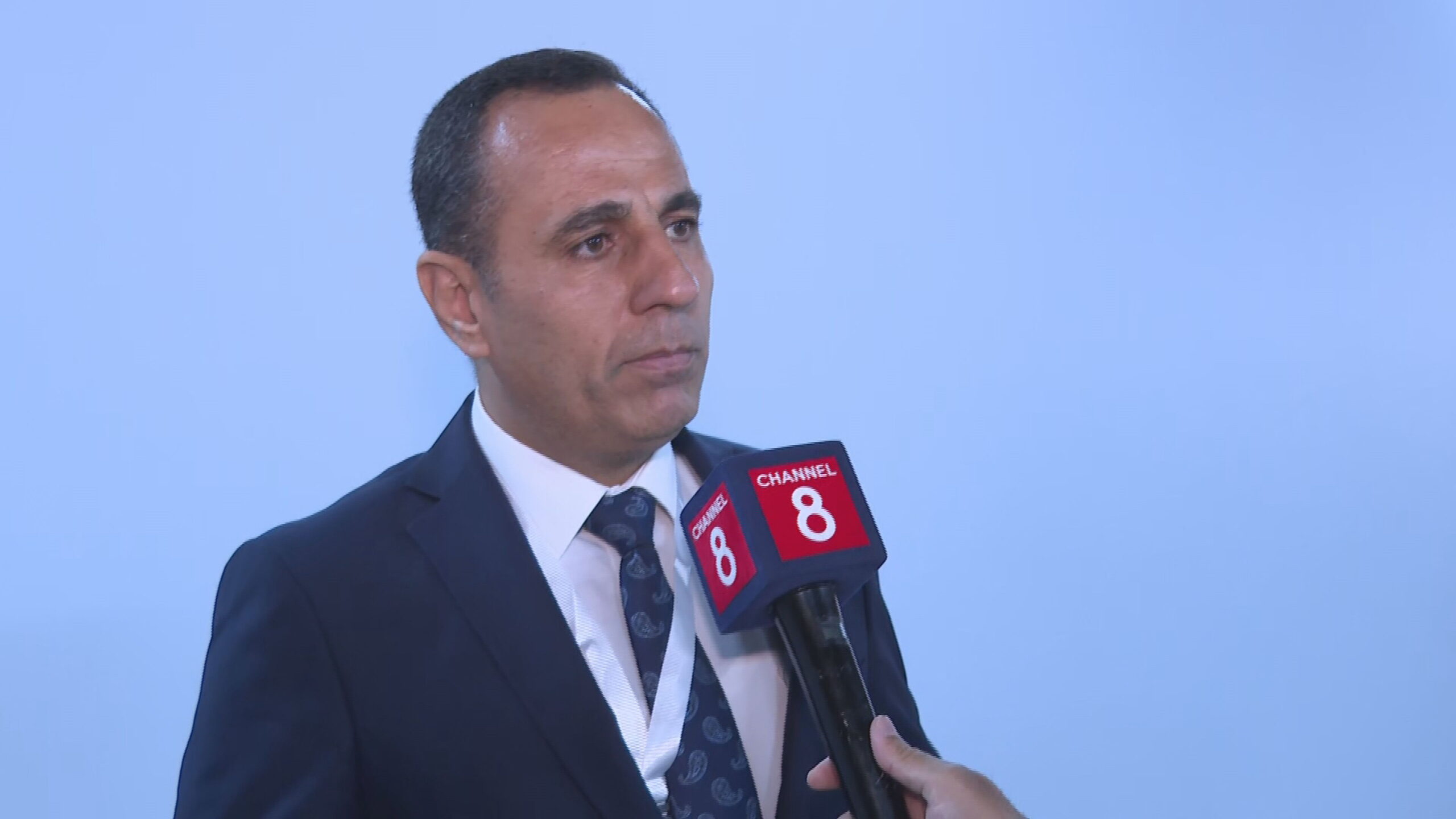
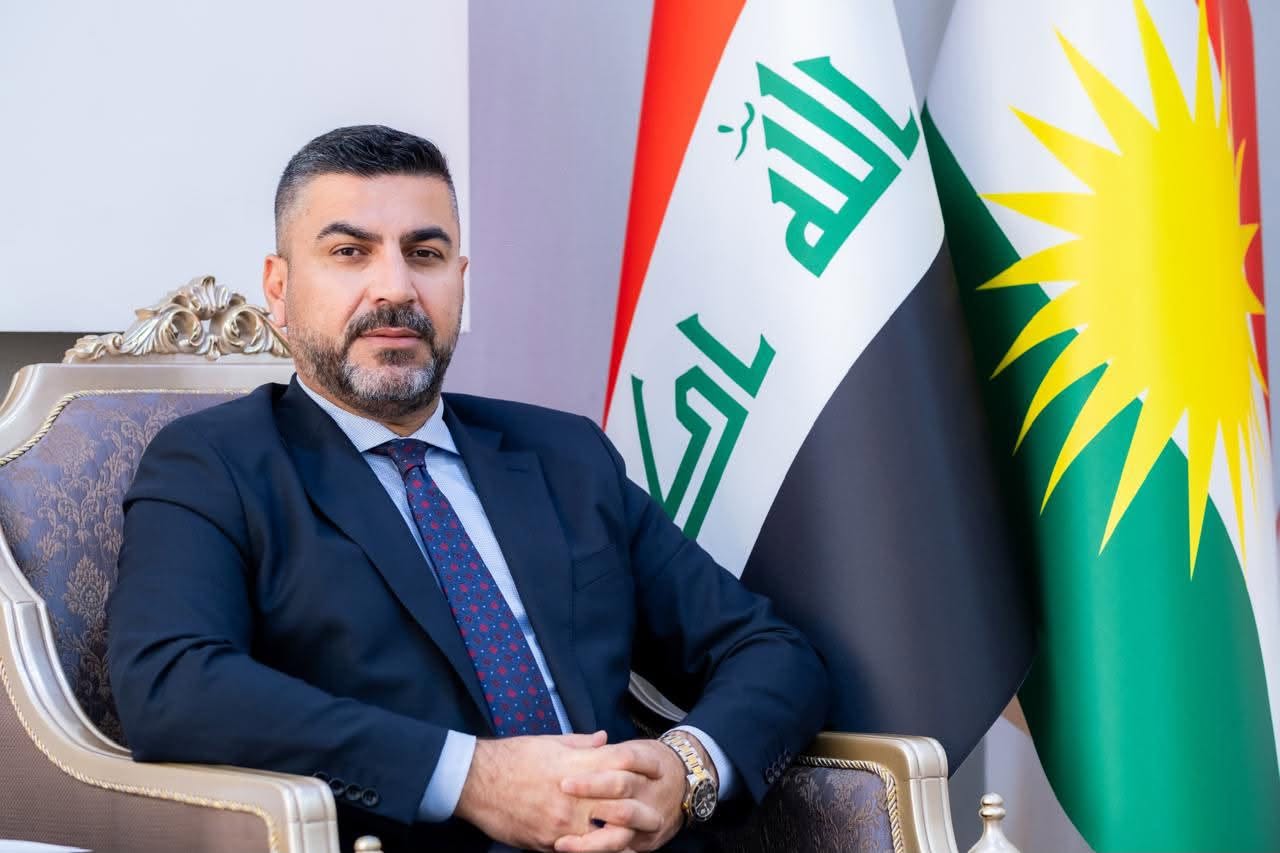
Fahmi Burhan, Head of the General Board for Kurdistani Areas Outside the Region, a KRG body managing the affairs of the disputed territories, stated that the Article 140 Committee head's decision to transfer food ration cards to the disputed territories is unconstitutional and violates the core principles of the constitution.
Key Statement and Focus Area
- Fahmi Burhan emphasized that the voting process relies on food ration cards, meaning this decision will inevitably alter the political and demographic layout of the region.
- He warned that implementing the ration card transfer for Arab and Turkmen families will have a direct impact on future election results.
Burhan stressed that the Kurdistan Regional Government, through the Council of Ministers, will address an official letter to the federal government demanding the suspension of this unconstitutional decree.
Hadi al-Amiri, head of the Supreme Committee for the Implementation of Article 140 of the Iraqi Constitution, requested the Ministry of Trade to allow the transfer of food ration cards to the disputed territories.
Following his initial letter on July 27, Hadi al-Amiri issued another document on July 30 to suspend or slow down the execution of the decision; however, Burhan considered the second letter weak, noting that the first decree remains posted and active within Article 140 offices.
FYI
The federal food ration card registry is closely linked to the civil status registry and is used by the Independent High Electoral Commission (IHEC) to determine where citizens are legally registered to vote.
By requesting the Ministry of Trade to allow families to transfer their ration cards into the disputed areas, the committee opened a door to alter local voter registries.
Kurdish officials view this move as an attempt at demographic engineering. They argue that allowing non-original residents (specifically Arab and Turkmen families) to officially transfer their files into the disputed territories artificially inflates non-Kurdish numbers, altering future election outcomes.
The decision comes amid a recent controversial statement by Kirkuk Governor Mohammed Samaan, who characterized Article 140 as Iraq's "strategic mistake" after 2003.
Fahmi Burhan strongly denounced the statement, characterizing it as unconstitutional and detrimental to regional stability and ethnic coexistence, urging authorities to foster a spirit of coexistence rather than making provocative claims that distract from urgent public service delivery.
Dive Deeper: Handpicked Stories for You
Follow Channel8 for continuous updates:
Disputed Territories Board Defends Article 140 Against Kirkuk Governor
Kurdistani Parties Meet in Kirkuk to End Eight-Year Rift, Form Unified Front
.webp)