Disputed Territories Board Defends Article 140 Against Kirkuk Governor
At a Glance
- Fahmi Burhan labels Kirkuk Governor's comments opposing Article 140 as unconstitutional.
- Governor Mohammed Samaan called Article 140 Iraq's "biggest strategic mistake" since 2003.
- Kurdistani Areas Board warns that anti-constitutional rhetoric undermines trust and coexistence.
- Article 140 remains the recognized constitutional path to resolve Kirkuk's status.
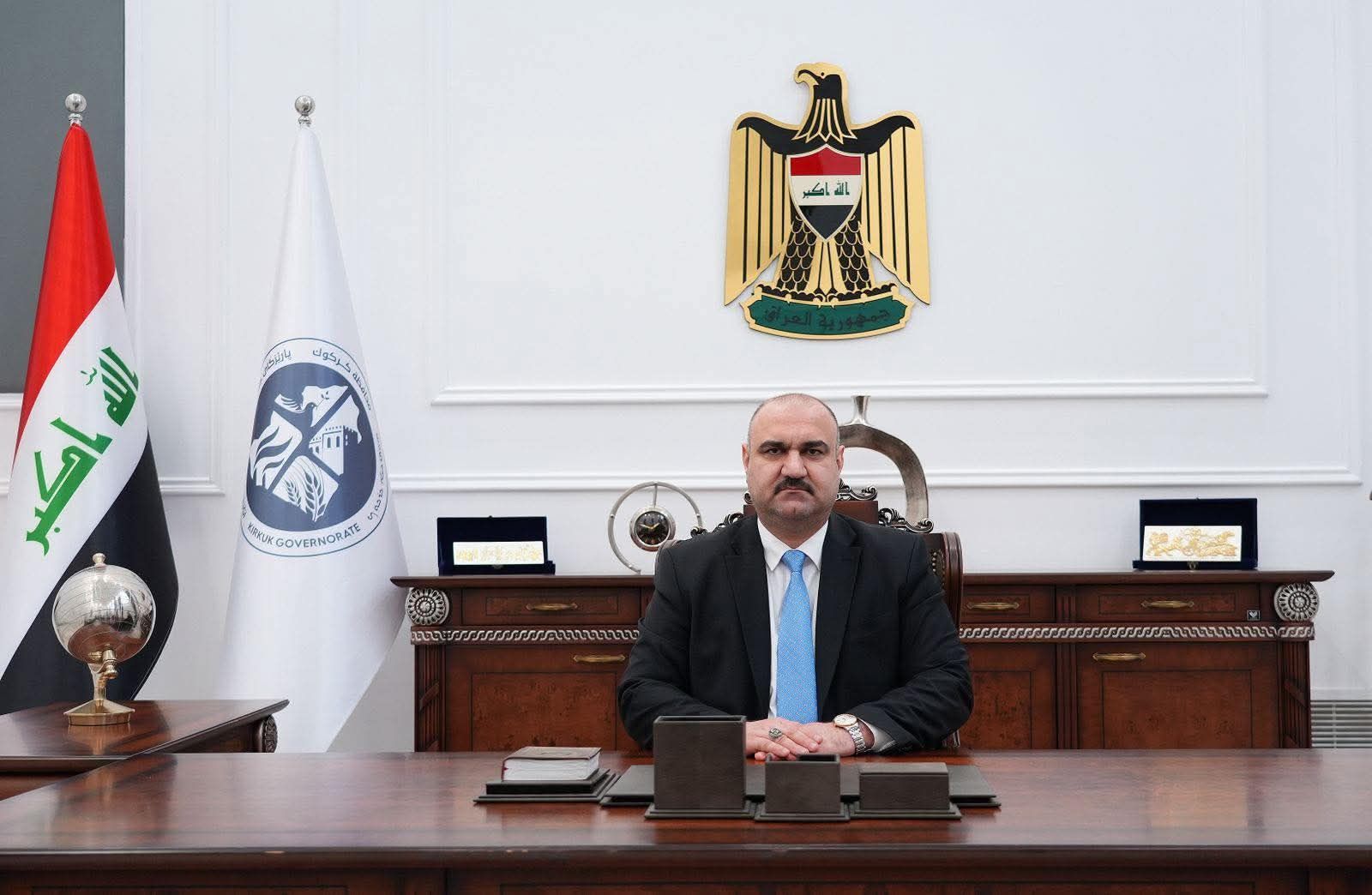
Fahmi Burhan, Chairman of the General Board of Kurdish Areas Outside the Kurdistan Region Administration, forcefully condemned recent statements by the Governor of Kirkuk regarding Article 140, describing them as unconstitutional and detrimental to regional stability and ethnic coexistence.
Key Statements and Focus Area
- Constitutional Supremacy: "The primary foundation of the governance system in modern Iraq is the constitution," stated Fahmi Burhan, emphasizing that citizens of the Kurdistan Region hold firmly to the text, specifically Article 140 as the legitimizing roadmap for resolving disputed territories.
- Fostering Coexistence over Rhetoric: Burhan urged regional authorities to "foster a spirit of coexistence and refrain from using rhetoric that opposes the constitution and the genuine will of the Iraqi people," warning that provocative claims distract from urgent public service delivery.
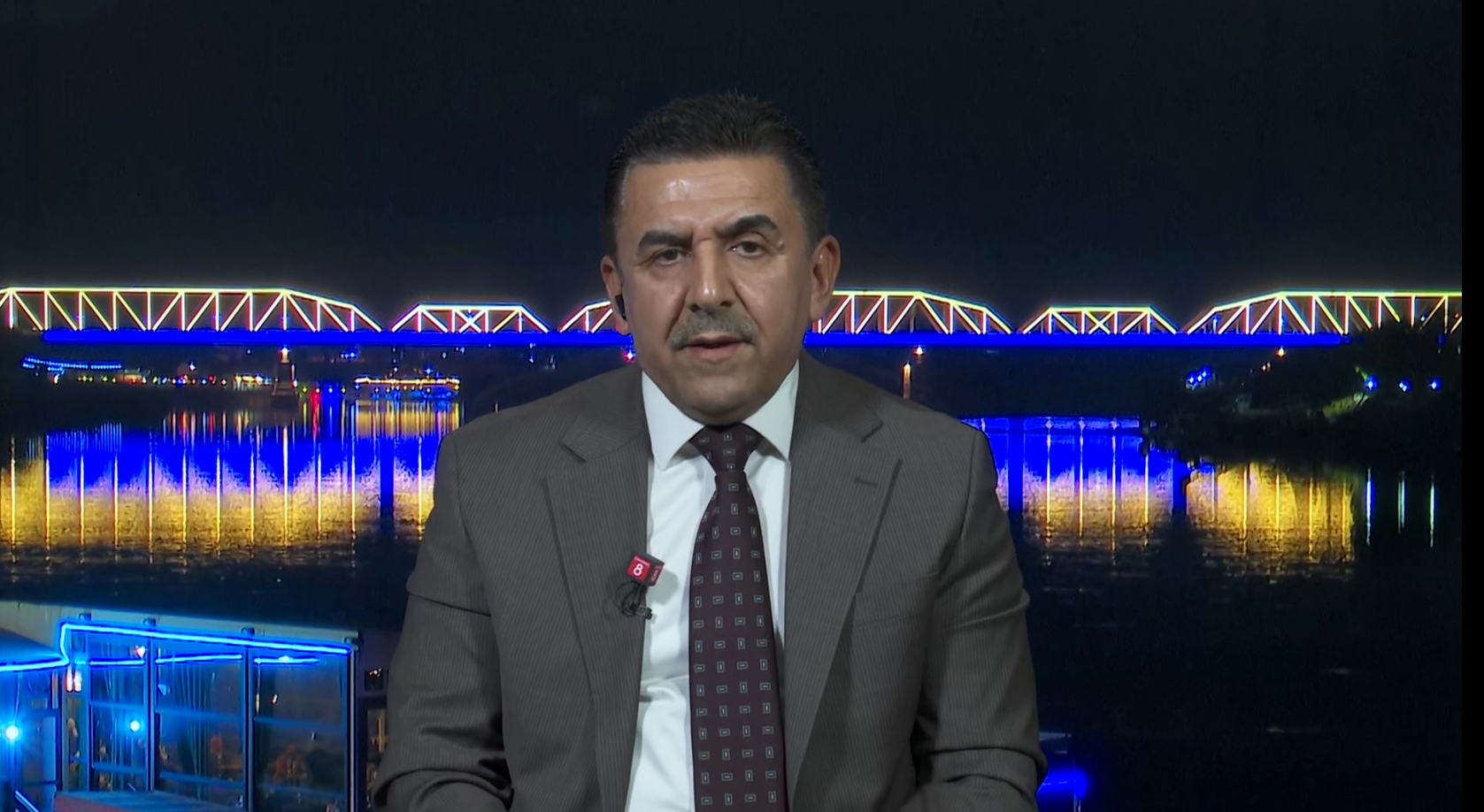
- The Governor's Stance: In a recent interview, Kirkuk Governor Mohammed Samaan characterized Article 140 as Iraq's "biggest strategic mistake" after 2003, asserting that the constitutional roadmap lost its validity following the military events of October 16, 2017.
Kurdistani Board Reaffirms Article 140 as Constitutional Roadmap
Responding to televised remarks by Kirkuk Governor Mohammed Samaan, the General Board of Kurdish Areas Outside the Kurdistan Region Administration rejected assertions that Article 140 is obsolete. Board Chairman Fahmi Burhan stressed that the Iraqi Constitution represents an enduring social contract forged through decades of anti-dictatorial struggle, serving as the essential foundation for Iraq's federal democratic governance.
Dispute Over Kirkuk's Legal and Historical Status
The friction highlights deep-seated political divisions regarding Kirkuk's governance framework. While Governor Samaan a leader within the Iraqi Turkmen Front, argued that Article 140 generated persistent friction and discouraged civic alignment with the 2005 Constitution, Kurdish officials maintain that full implementation of the article remains a non-negotiable legal obligation to reverse past demographic engineering and normalize administrative borders.
Impact on Local Governance and Civic Trust
Burhan cautioned that inflammatory public debate regarding constitutional mandates undermines civic trust at a delicate moment for the province. He emphasized that local administrative leaders in Kirkuk should prioritize municipal infrastructure and public service delivery rather than attempting to invalidate established constitutional mechanisms.
FYI
Article 140 of the 2005 Iraqi Constitution was designed to determine the final legal status of Kirkuk and other disputed territories through a three-stage process: normalization, a comprehensive census, and a regional referendum. Although its original implementation deadline of December 31, 2007, passed without completion, Iraq's Federal Supreme Court ruled that the article remains legally binding until its mandates are fully executed.
Dive Deeper: Handpicked Stories for You
Follow Channel8 for continuous updates:
Kurdistani Parties Unite in Kirkuk to Reclaim Marginalized Quotas and Protect Rights
Mohammed Samaan Takes Office as Kirkuk's New Governor
KRG Report Reveals Persistent Violations and Obstacles to Implementing Article 140
.webp)