Skepticism Over Israeli Report Triggers Extraordinary Trump Security Operation
At a Glance
- Israeli intelligence reported an alleged Iranian plot targeting Donald Trump during a NATO summit.
- U.S. intelligence analysts questioned the credibility of the Israeli-provided threat data.
- Secret Service executed an unprecedented covert evacuation, switching aircraft in Ankara.
- Officials suspect the intelligence warning may have been intended to influence U.S. regional policy.
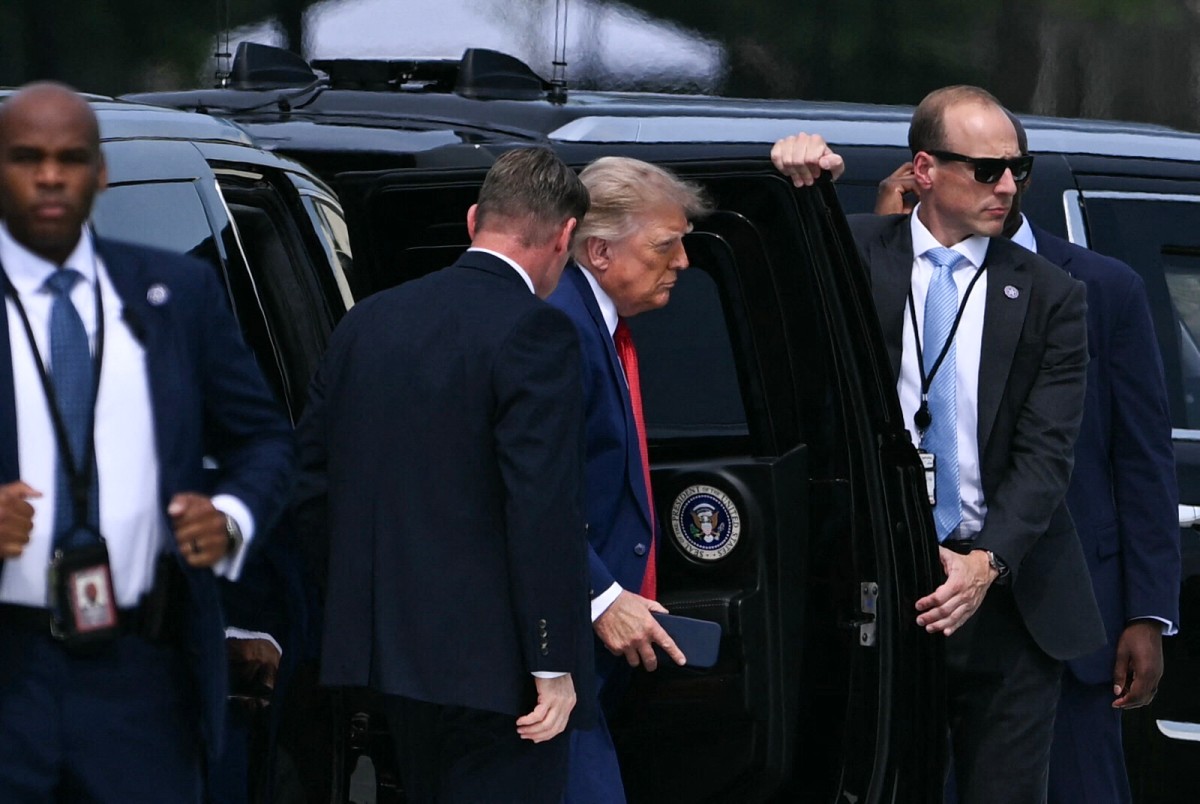
Current and former U.S. intelligence officials disclosed that American intelligence agencies harbored deep skepticism over Israeli reports alleging an Iranian plot to assassinate President Donald Trump during a NATO summit in Turkey, an alert that nevertheless triggered an extraordinary covert security operation to secretly exfiltrate the American leader from the country.
Key Statements and Focus Area
- Questioned Credibility: Assessing the origin and weight of the threat report, a U.S. official confirmed that the warnings were "derived from Israeli sources rather than U.S. intelligence, and were deemed to be of low reliability."
- Zero-Risk Security Posture: Detailing the Secret Service's rationale for acting despite intelligence doubts, an official stated that "the Secret Service has experienced three near-miss incidents targeting the President, so it leaves no room for risk."
- Potential Strategic Influence: Reflecting on the motives behind the shared warning, a current official noted that some U.S. intelligence figures believed Israel's sharing of the alert "was not merely intended to inform Washington, but potentially also to influence the President’s decisions and U.S. policy in the region."
Low-Reliability Warning Triggers Unprecedented Extraction
According to a report by The Washington Post, the Israeli government transmitted threat intelligence to the Central Intelligence Agency (CIA) alleging a potential Iranian attempt on President Trump's life during his attendance at a NATO summit in Ankara. CIA analysts conveyed their skepticism to Trump administration officials, categorizing the information as low-reliability. Despite the intelligence community's doubts, the Secret Service opted for extreme caution, executing a complex security maneuver to disguise the President's movements upon his departure on July 8.
Tactical Diversion and Aerial Escort
To secure the President's exit, security teams conducted a high-stakes diversion at the airport. Trump initially boarded the primary Presidential aircraft, Air Force One, before being secretly transferred via an airport service vehicle into a secondary U.S. Air Force C-32A aircraft alongside a small contingent of senior aides. Escorted by F-16 fighter jets from Ankara to RAF Mildenhall in the United Kingdom, the secret transit successfully masked the President's actual location. Meanwhile, Secretary of State Marco Rubio, who was briefed on the alleged threat and extraction plan, chose to travel on the conventional Air Force One aircraft—the presumed target of any potential attack.
Operational Doubts Amid Heavy Security
Multiple U.S. officials familiar with the security discussions questioned the plausibility of an assassination attempt in Ankara, citing the deployment of tens of thousands of Turkish security personnel dedicated to safeguarding the NATO summit. Officials also voiced concerns that the warnings might have been leveraged to shape Washington's geopolitical calculus in the region during a period of heightened international tension.
FYI
Concerns surrounding Iranian threats against high-ranking U.S. officials have remained elevated following the 2020 U.S. strike that killed Qasem Soleimani, commander of the IRGC's Quds Force. Security anxieties intensified further following the death of Iranian Supreme Leader Ali Khamenei and numerous senior leadership figures in February at the outset of broader hostilities. While President Trump has survived three separate assassination attempts since his 2024 presidential campaign, U.S. law enforcement and intelligence agencies have not established direct links between the suspects in those incidents and Iranian state operatives.
Dive Deeper: Handpicked Stories for You
Follow Channel8 for continuous updates:
Trump Says ‘I Lead a Dangerous Life’ After Washington Gala Shooting
Trump Says U.S. Has 'Total Control' Over Strait of Hormuz in New Statement
Washington Post: Trump Confronts Hegseth Over Depleted Munition Stockpiles
.jpg)
.jpg)
.jpg)
.jpg)