Two Earthquakes Shake Chamchamal Early Friday
At a Glance
- Two tremors hit Chamchamal overnight
- First quake measured 3.9 magnitude
- Second tremor struck hours later
- No casualties reported
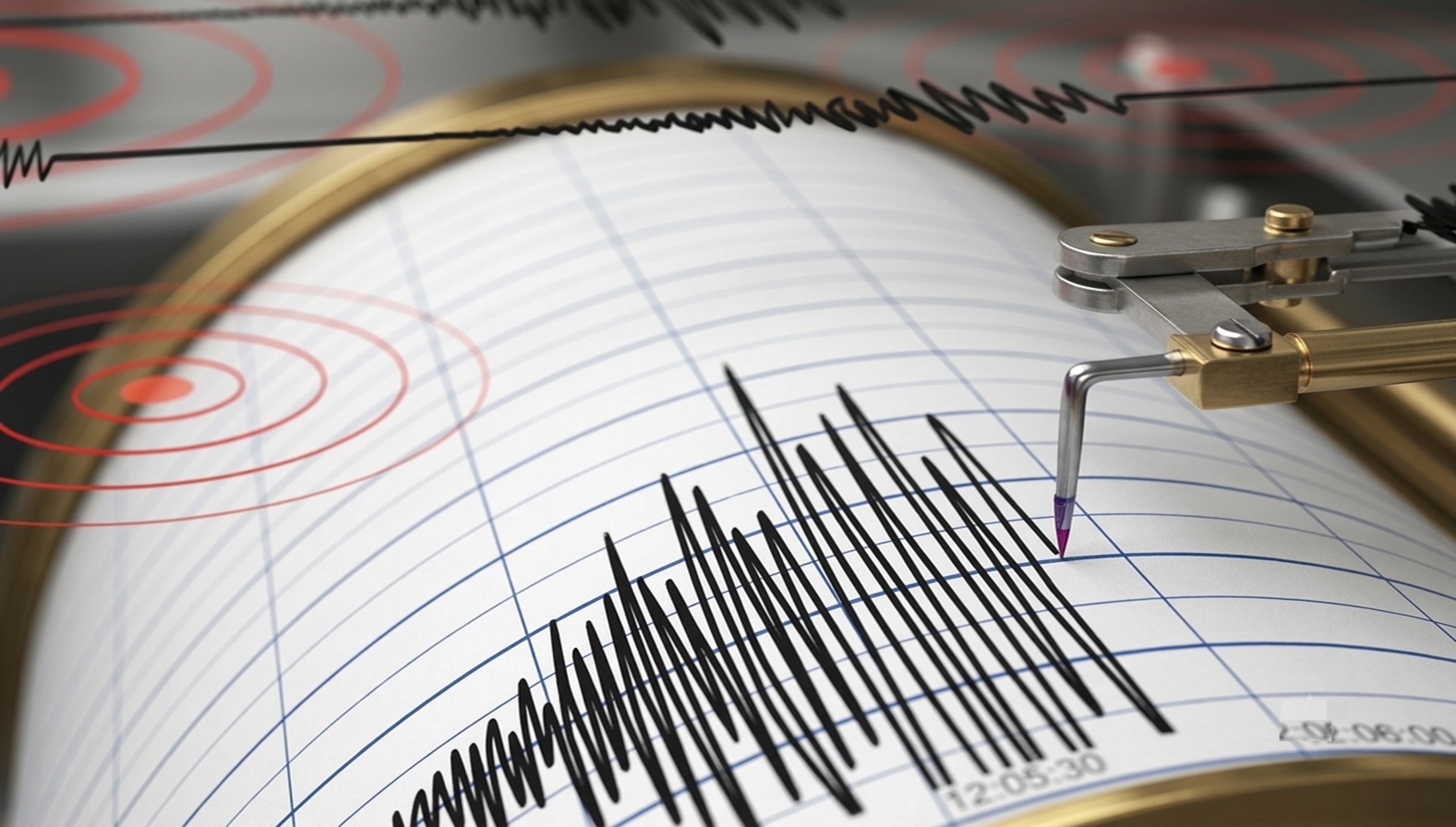
Two earthquakes struck the Chamchamal area early Friday, with the first tremor strong enough to wake residents and send some people outside their homes.
Key Statements and Focus Area
- First earthquake: Recorded at 1:27 AM, with a magnitude of 3.9 and a depth of 10 kilometers, according to global seismic monitoring data received by Channel8.
- Second tremor: A weaker earthquake followed at 3:35 AM, several hours after the first.
The two latest tremors come after several earthquakes were recorded around the Kirkuk Governorate-Chamchamal area over the past month.
Residents have felt a number of these tremors. No casualties have been reported, although minor damage has been reported to some homes.
The Kurdistan Region lies within an active tectonic zone where the Arabian and Eurasian plates meet.
The Arabian plate continues moving northward and northeastward, generating pressure along the Zagros and Taurus mountain systems. Earthquakes occur when accumulated tectonic stress is released along underground faults.
Earthquakes are particularly common near the borders with Iran and Turkey.
Within the Kurdistan Region, areas of Slemani Governorate, including Garmyan, Kalar, Darbandikhan, and Penjwen, experience relatively frequent tremors.
Halabja Governorate and Khanaqin in Diyala Governorate are also exposed to stronger seismic activity because of their proximity to major fault systems.
Seismic activity is generally lower in Erbil and Duhok, although areas including Shaqlawa, Rawanduz, and Akre remain vulnerable to tectonic movements.
FYI
The Kurdistan Region experiences hundreds of minor tremors each year, according to data from Iraq’s Meteorological Organization and Seismology. Its location along the Arabian-Eurasian plate boundary makes earthquakes a recurring natural hazard, particularly around the Zagros mountain range and areas close to major fault lines.
Dive Deeper: Handpicked Stories for You
Follow Channel8 for continuous updates:
First Light Rain Signals Cooler Weather Across Kurdistan Region
.jpg)

.webp)