UAE Accuses Iran of Attacking Two ADNOC Vessels
At a Glance
- Two ADNOC vessels attacked in Hormuz
- UAE blames Iran for the attacks
- No injuries reported
- Strait tensions threaten shipping
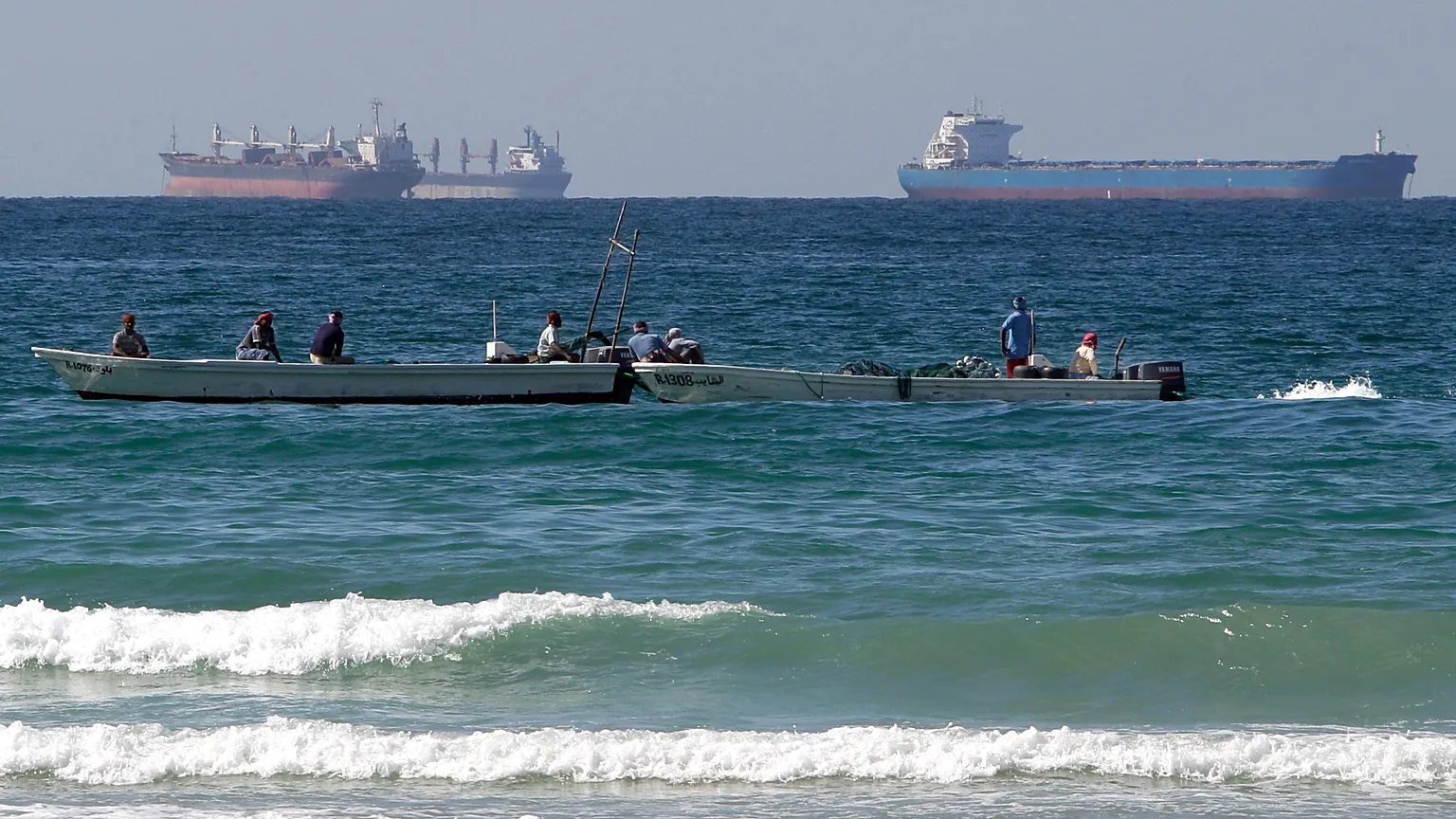
The United Arab Emirates has accused Iran of attacking two vessels linked to its state-owned oil company while they were transiting the Strait of Hormuz.
Key Statements and Focus Area
- UAE Foreign Ministry: Condemned what it called “the hostile Iranian attack” on two vessels affiliated with ADNOC, saying no injuries were reported.
- ADNOC: Confirmed that “two of its vessels were attacked while transiting” the Strait of Hormuz and said the situation had been brought under control.
- Iranian position: Iranian officials have set conditions for reopening the waterway, including an end to military action and sanctions against Iran.
- Strait of Hormuz: Repeated attacks and restrictions on shipping have intensified a wider dispute over access to one of the world’s most important energy routes.
The UAE Foreign Ministry said Friday that two vessels affiliated with the Abu Dhabi National Oil Company (ADNOC) were targeted while passing through the Strait of Hormuz on Thursday evening.
The ministry attributed the attacks to Iran and described them as hostile actions. No injuries were reported.
ADNOC confirmed the attacks through the official WAM news agency, saying the two vessels were targeted while transiting the waterway and that the situation was subsequently brought under control.
The latest incident follows attacks involving ADNOC vessels last week.
ADNOC previously reported that three of its tankers had come under attack in the Strait of Hormuz. The UAE Foreign Ministry separately reported an attack on an ADNOC tanker the following day.
The incidents have added to growing concerns over commercial shipping through the strategic waterway.
The Strait of Hormuz had remained open to regular transit before the Middle East war began in February.
Continued attacks and restrictions on vessels passing through the waterway contributed to the collapse of an April ceasefire between the United States and Iran.
A subsequent agreement in June was intended to provide a basis for negotiations toward a longer-term settlement. It called for Iran and Oman, which also borders the strait, to discuss future arrangements with other Gulf states in accordance with international law.
Iranian security chief Mohammad Bagher Zolghadr outlined several conditions last week for reopening the waterway.
According to remarks reported by Tasnim news agency, Tehran is demanding an end to what it describes as the “war and aggression” against Iran and its allies in Lebanon, Palestine, Yemen, and Iraq.
The demands also include lifting a parallel U.S. naval blockade, ending sanctions, releasing frozen Iranian assets, and providing compensation for wartime damage.
FYI
The Strait of Hormuz is a key route for international energy shipments, connecting the Persian Gulf with the Gulf of Oman and wider global markets. Continued attacks, restrictions on commercial vessels, and competing demands over access to the waterway have increased risks for energy exporters, shipping companies, and countries dependent on Gulf oil and gas supplies.
Dive Deeper: Handpicked Stories for You
Follow Channel8 for continuous updates:
Trump Says U.S. Has 'Total Control' Over Strait of Hormuz in New Statement

.jpg)
.jpg)
.jpg)