Iran Security Chief Threatens Gulf States Over Sanctions
At a Glance
- Rezaei warns Iran’s regional neighbors and threatens retaliation over economic pressure
- Gulf shipping routes face potential targeting
- Iran criticizes international nuclear monitoring
Iran’s new Supreme National Security Council leader has warned neighboring countries against supporting increased U.S. economic pressure on Tehran, threatening retaliation if they cooperate with Washington.
Key Statements and Focus Area
- Mohsen Rezaei: “If Trump wants to do something, we will retaliate in a seismic manner.”
- On neighboring states: if neighboring countries participate in what Tehran considers an economic war, Iran could target oil-shipping routes leaving the Persian Gulf through routes other than the Strait of Hormuz. He said those countries would be treated as enemies and that Iran would target their interests.
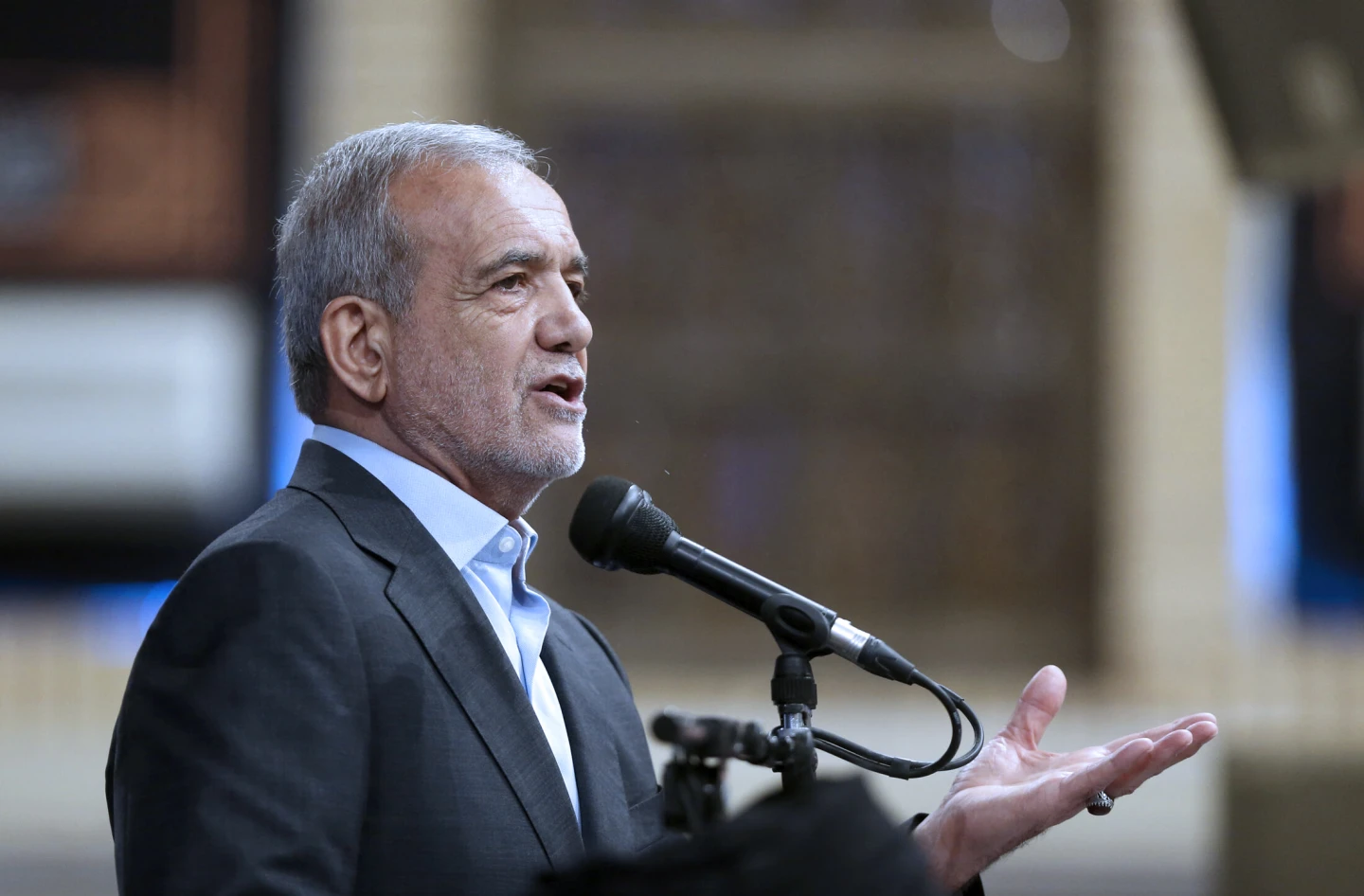
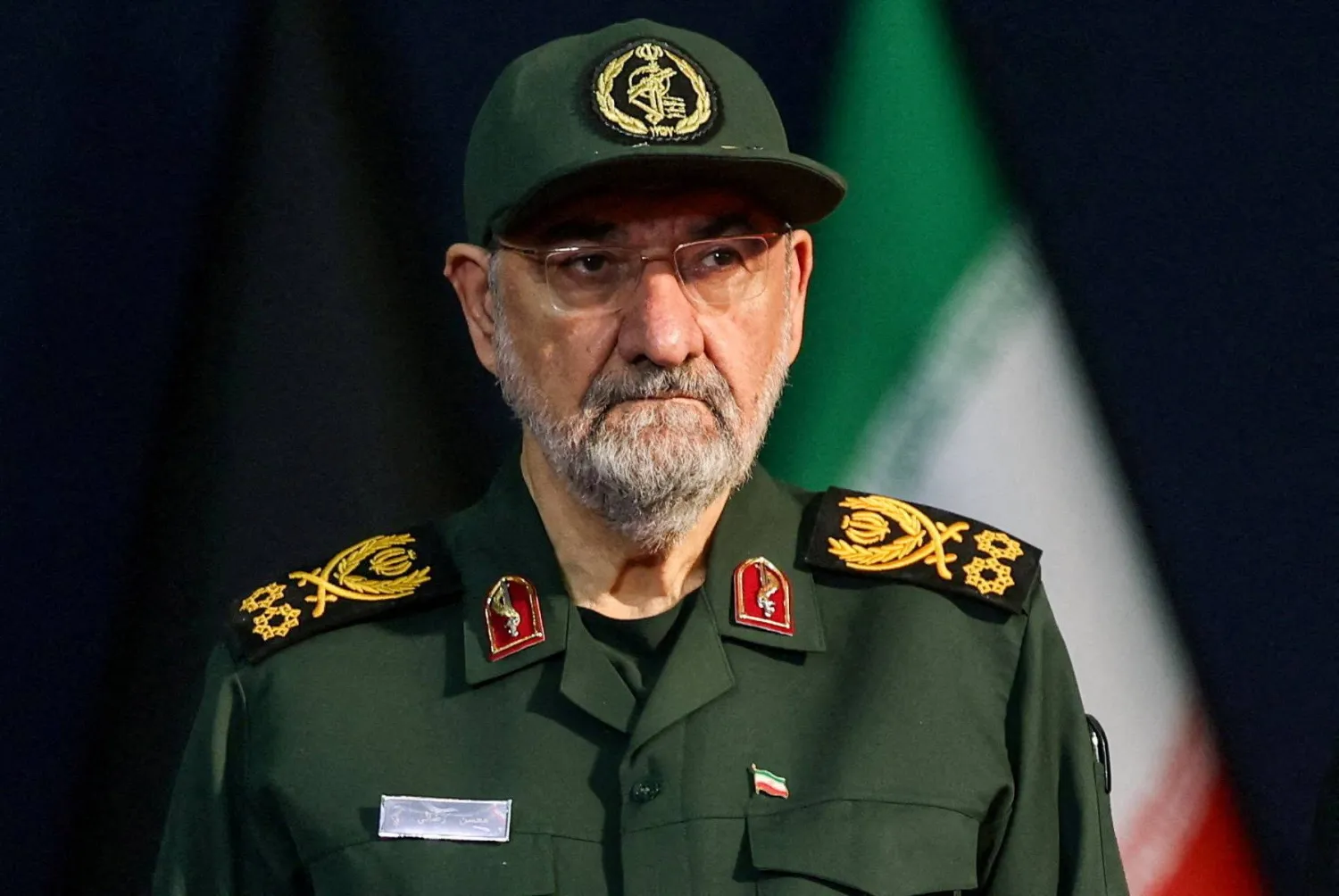
Mohsen Rezaei, Iran’s newly appointed head of the Supreme National Security Council, has issued threats against neighboring countries that join a new U.S. campaign aimed at increasing economic pressure on Tehran.
In an interview with Iran’s state broadcaster, IRIB, aired Saturday, Rezaei said Iran would respond forcefully if U.S. President Donald Trump took further action against the country.
Trump has vowed over the past week to intensify pressure on Iran through what he described as an “unprecedented” campaign of economic warfare and isolation.
Rezaei said discussions with Oman over the management of the Strait of Hormuz are continuing. He said fees would be imposed in connection with the waterway.
Iran asserted control over what was described as an international waterway shortly after U.S. and Israeli attacks on February 28.
Rezaei also said Iran plans to make changes to its diplomatic approach and develop new capabilities for what he described as the next war. He warned Washington against deploying additional military personnel to the region.
The security chief also criticized the international nuclear monitoring system, arguing that recent military action against Iran showed that participation in international monitoring efforts does not necessarily protect countries from attack. He said this has contributed to greater global nuclear insecurity.
FYI
The Supreme National Security Council is Iran’s highest body for coordinating national security, defense and foreign policy decisions. It is chaired by the president, while the secretary plays a key role in coordinating security policy and implementing the council’s decisions. The council brings together senior political, military and security officials, making changes to its leadership an important indicator of Tehran’s broader strategic direction.
Dive Deeper: Handpicked Stories for You
Follow Channel8 for continuous updates:
Iran Reports Neighboring Outreach for New Security Architecture
![Irani’s Araghchi, left, meets with Pakistan’s Munir in Islamabad, Pakistan, in April 2026 [File: Iranian Foreign Ministry/AP Photo]](https://media.channel8.com/english/wp-content/uploads/2026/05/AP26115285212508-1777383639.webp)
.jpg)