Five Major Causes Driving Global Warming
At a Glance
- Fossil fuels remain the largest source
- Deforestation weakens natural carbon absorption
- Industry and livestock add potent gases
- Transport growth increases emissions
Human activity has significantly altered the planet’s natural environmental balance, with greenhouse gas emissions driving global warming and contributing to increasingly severe environmental pressures.
Key Statements and Focus Area
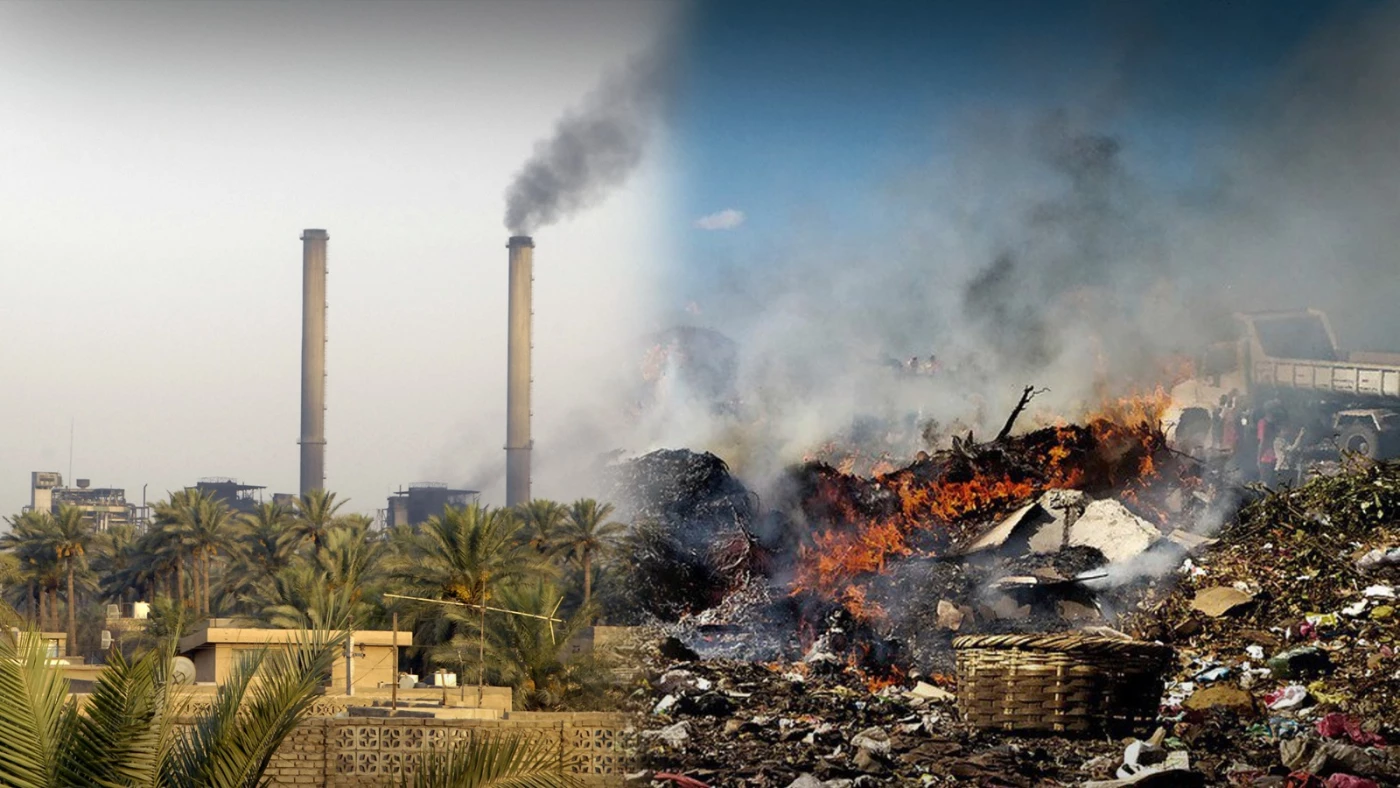
- Fossil fuels: The burning of oil, natural gas, and coal releases large quantities of greenhouse gases into the atmosphere, particularly carbon dioxide. These emissions trap heat around the Earth, contributing to rising global temperatures and wider changes to the climate system.
- Forests: Forests play an important role in absorbing carbon from the atmosphere. Large-scale forest destruction reduces the planet’s capacity to remove carbon dioxide naturally while also releasing stored carbon into the atmosphere. The continued loss of forests has therefore become a major contributor to environmental imbalance.
Other causes include industrial manufacturing, which is another major source of greenhouse gas emissions. The production of materials such as cement, iron, and plastic generates significant emissions, including fluorinated gases that can have a much stronger warming effect than carbon dioxide.
Agriculture, particularly livestock farming, contributes to global warming through methane and nitrous oxide emissions. Cattle and sheep release methane during digestion. Methane has a significantly stronger heat-trapping effect than carbon dioxide over a 100-year period.
Rapid population growth and expanding cities have increased reliance on cars, airplanes, and ships. The burning of transport fuels releases carbon dioxide and other pollutants into the atmosphere. Aviation and maritime transport add further emissions as global transportation networks continue to expand.
The accumulation of greenhouse gases acts like a heat-trapping blanket around the planet, contributing to rising temperatures. Global warming is associated with melting glaciers and ice sheets, rising sea levels, and increasing pressure on ecosystems and human communities.
FYI
The Earth’s climate has changed naturally throughout its history, but the current warming trend is occurring at a rate that is strongly linked to human activities. Scientists use multiple independent measurements, including atmospheric greenhouse gas concentrations, ocean temperatures, ice loss and long-term temperature records, to track these changes.
Carbon dioxide remains in the atmosphere for a long time after it is released, meaning that emissions accumulated over decades continue to influence the climate even when annual emissions fluctuate.
Dive Deeper: Handpicked Stories for You
Follow Channel8 for continuous updates:
Mount Azmar Wildfire Brought Under Control After Two Hours
Weather Forecast: Temperatures to Rise Slightly Across Kurdistan Region
Slemani Fires Cause Over Seven Billion Dinars in Losses, Environment Directorate Warns

.jpg)
.jpg)
.jpg)
.jpg)