Kurdistan Region Gas Production Reaches 870 Million Cubic Feet
At a Glance
- Daily gas output reaches 870 million cubic feet
- Khor Mor remains the main producer
- Production rose 285% in 10 years
- Dispute emerges over Kirkuk gas supply
Natural gas production in the Kurdistan Region has reached 870 million cubic feet per day, strengthening the role of domestic gas in electricity generation and the region’s wider energy infrastructure.
Key Statements and Focus Area
- Production growth: Natural gas production in the Kurdistan Region has reached 870 million cubic feet per day. The figure represents a 285% increase over the past decade. Production stood at around 305 million cubic feet per day in 2017.
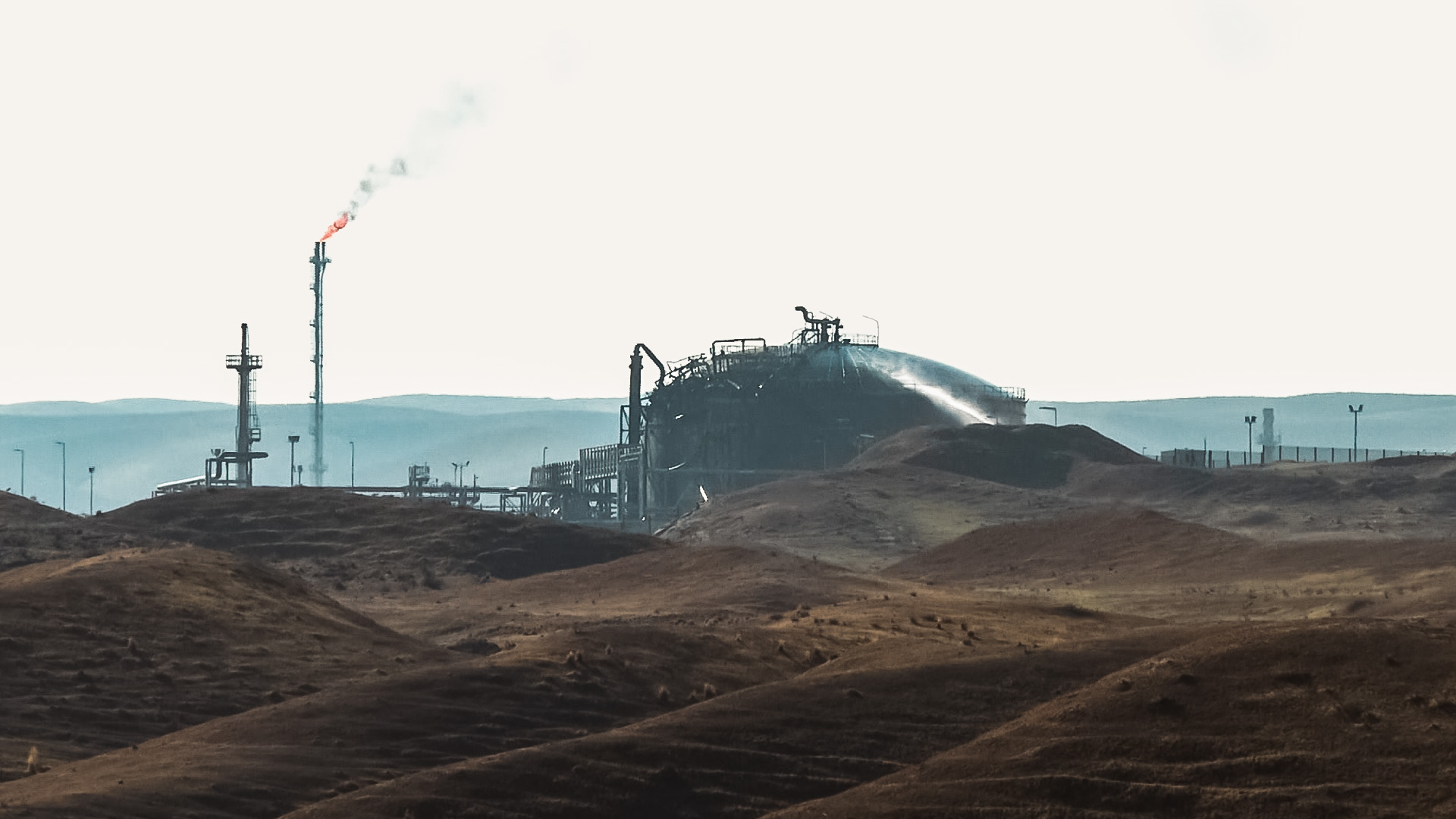
- Khor Mor: It accounts for the largest share of regional production, producing around 750 million cubic feet per day. Khurmala contributes approximately 80 million cubic feet, while the Sarqala field produces around 40 million cubic feet daily. More than 85% of electricity generation in the Kurdistan Region depends on gas from Khor Mor, which supplies power stations in Erbil, Slemani and Chamchamal.
The increase has made natural gas an increasingly important component of the region’s electricity generation and broader energy infrastructure.
Khor Mor is operated by the Pearl Petroleum consortium, which consists of five companies.
Dana Gas and Crescent Petroleum each hold 35%, while OMV, MOL, and RWE collectively hold the remaining 30%.
In addition to dry gas, the field produces between 19,000 and 20,000 barrels of condensate per day and around 1,100 tons of LPG for household and vehicle use.
A dispute has emerged between the Kurdistan Region’s Ministry of Natural Resources and Pearl Petroleum following the consortium’s decision to supply 100 million cubic feet of gas to the Taza power station in Kirkuk.
The Ministry of Natural Resources said it was unaware of the decision.
The companies, however, maintain that they informed the government in advance and that their contract gives them authority over such decisions.
The Khor Mor field has continued to face security threats, including missile and drone attacks.
Such incidents can directly affect gas production and electricity generation while also creating additional risks for investment and field development.
Despite those challenges, production capacity has continued to expand, while the field’s estimated 5.3 trillion cubic feet of proven reserves leave significant potential for further development.
FYI
Khor Mor is part of the Kurdistan Region’s broader push to rely more heavily on natural gas for domestic power generation rather than imported fuels. Expanding gas production can also reduce the amount of fuel needed for power plants and potentially create additional supplies for industrial or regional energy use.
The region’s gas sector has also become increasingly important in discussions over Iraq’s wider energy security. Greater domestic gas production could help reduce dependence on imported gas and improve the reliability of electricity generation if infrastructure, investment, and security conditions allow further development.
Dive Deeper: Handpicked Stories for You
Follow Channel8 for continuous updates:
KRG 2027 Budget Focuses on 23 Trillion Operational Costs
24/08/2026