Iraq Pursues Alternative Oil Routes to Avert Salary Crisis
At a Glance
- Ongoing maritime security bottlenecks severely slash Iraq’s monthly oil revenues, threatening public sector payrolls.
- Iran grants specific clearance for select Iraqi oil tankers to navigate portions of the Strait of Hormuz.
- Baghdad fast-tracks land and pipeline export alternatives through Turkey, Syria, and Jordan to stabilize state income.
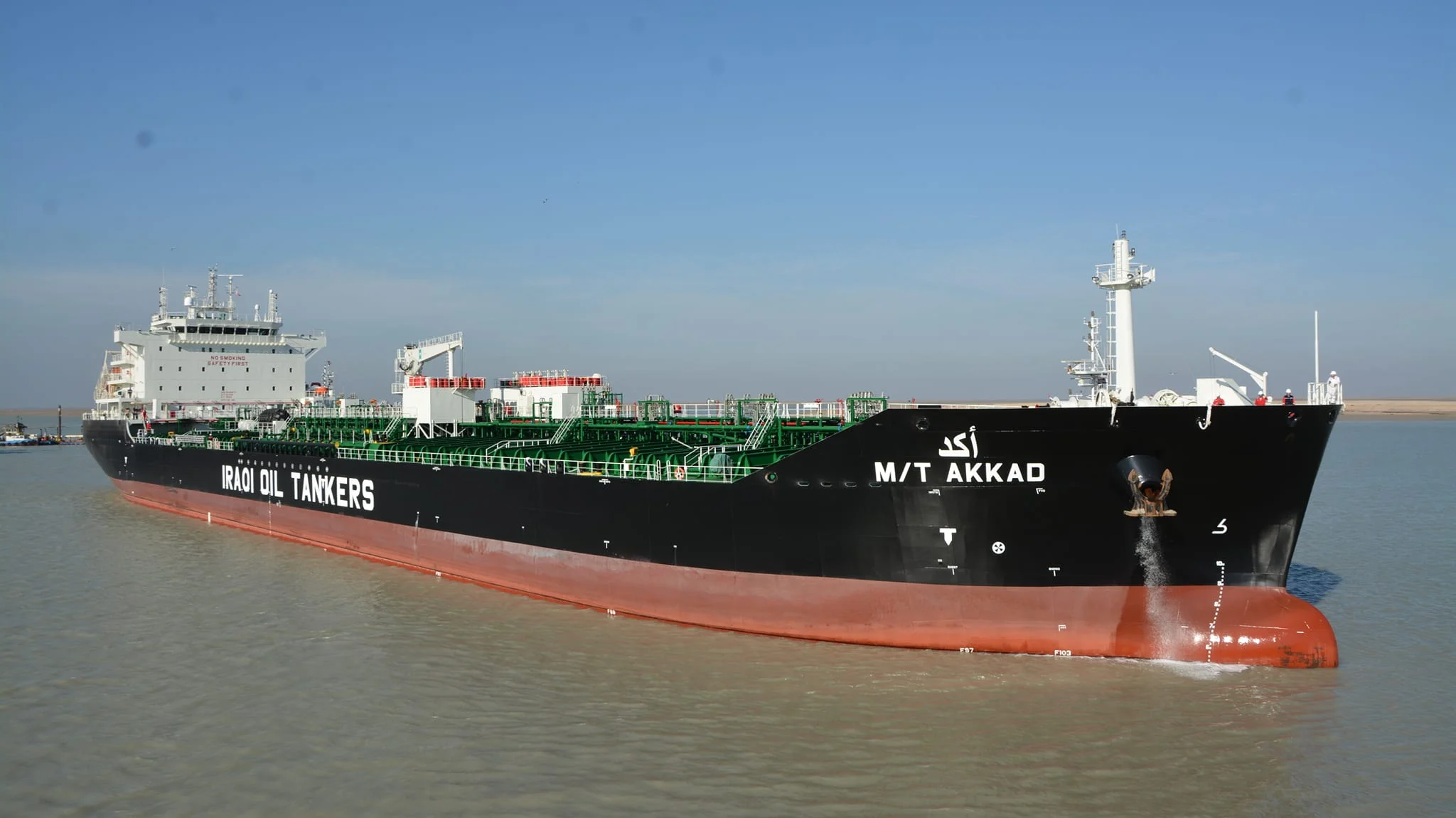
Faced with a sharp contraction in hydrocarbon export revenues that has triggered public payroll delays, the Iraqi government is urgently diversifying its shipping routes and securing special navigation permissions to safeguard state liquidity.
Key Statements and Focus Area
- Budgetary Vulnerability: With the national economy heavily reliant on petroleum income, any restriction on traditional Gulf outlets creates an immediate fiscal emergency.
- Emergency Borrowing and Customs: Baghdad is advancing supplementary domestic revenue tracking, custom enhancements, and short-term borrowing bills to bridge cash shortfalls.
"The government is actively working to diversify revenue collection and establish secure export channels to guarantee the timely distribution of employee salaries across all regions."
— Prime Minister Ali al-Zaidi
Managing Southern Terminals and Special Permits
Southern oil exports from fields near Basra form the backbone of the national economy. Following high-level discussions, including diplomatic coordination during Iranian Parliament Speaker Mohammad Bagher Ghalibaf’s visit, Tehran extended special transit permits allowing select Iraqi oil carriers to move through the strategic waterway.
Exploring Overland and Regional Pipelines
To mitigate future transit blockages, Prime Minister al-Zaidi's administration is prioritizing alternative export corridors. Plans include boosting logistical capacities toward Turkey’s Ceyhan port, Syria’s Baniyas port, and Jordan’s Aqaba port, alongside submitting emergency liquidity legislation to parliament to cover structural budget deficits.
FYI
Iraq's current financial squeeze highlights the systemic risks of relying heavily on single geographic choke points for state sustenance. As regional actors renegotiate maritime arrangements and explore cross-border infrastructure projects, Baghdad's balancing act between diplomatic alignment and fiscal survival underscores how deeply intertwined regional security dynamics are with domestic economic stability.
Dive Deeper: Handpicked Stories for You
Follow Channel8 for continuous updates:
Iraq Oil Exports Reach Two Million Barrels Daily, Says Oil Minister
Strait of Hormuz Closure Caused Severe Collapse in Iraq Oil Output and Regional Exports
22/08/2026