Global Shares Slide as Oil Prices Ease Amid Iran Tensions
At a Glance
- Oil prices fall amid Iran uncertainty
- Investors await Jackson Hole signals
- U.S. inflation data due Wednesday
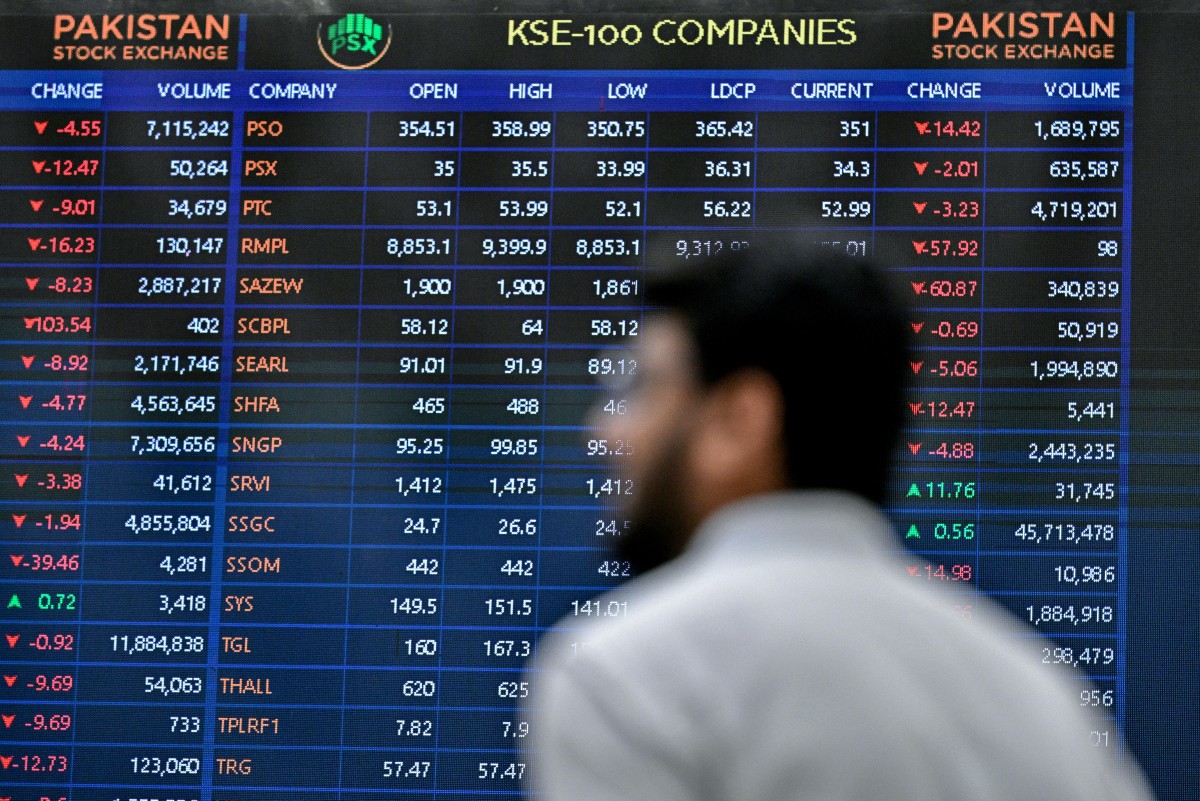
Global financial markets started the week cautiously, with most major stock indexes falling as investors assessed inflation risks, Iran-related uncertainty, and the outlook for U.S. interest rates.
Key Statements and Focus Area
- Iran: Iran’s currency fell to a new record low as the United States prepared to announce additional sanctions against Tehran. The rial traded at around 2.02 million per U.S. dollar on informal markets, compared with an official Central Bank rate of approximately 1.5 million. The currency has faced sustained pressure from sanctions, inflation, and the economic impact of the ongoing conflict.
- Oil: Oil prices moved lower at the start of trading Monday despite continued uncertainty surrounding shipments through the Strait of Hormuz. Brent crude fell 1.1% to $93.32 a barrel, while U.S. benchmark crude declined 1.8% to $85.52. The disruption of oil shipments through the waterway has remained a major concern for investors because of its implications for global energy supplies and inflation.
Investors are preparing for the release of the U.S. personal consumption expenditures, or PCE, inflation report on Wednesday. The measure is closely watched by the Federal Reserve as it assesses inflationary pressures. U.S. consumer inflation has remained above the central bank’s 2% target. Higher energy costs linked to disruptions around the Strait of Hormuz have added to concerns about renewed inflationary pressure.
Markets are also looking ahead to the annual gathering of U.S. economic officials in Jackson Hole, Wyoming. Investors are particularly focused on comments from Federal Reserve officials for indications about the future path of interest rates. Federal Reserve Governor Kevin Warsh is expected to deliver a key speech later this week.
U.S. Treasury yields remain a major concern for investors. The 10-year Treasury yield reached 4.73% Friday, its highest level in more than a year, before easing slightly to 4.71% early Monday. The 30-year Treasury yield has also remained near its highest level since 2007. Higher borrowing costs can weigh on economic activity, consumer spending, and investment valuations.
Financial markets remain sensitive to developments surrounding the conflict with Iran and the future of oil shipments from the Persian Gulf. Iran’s new top security official warned Sunday that countries supporting new U.S. economic measures against Tehran would be considered to have committed an “act of war.”
At the same time, Iran’s president defended a memorandum of understanding with Washington as a possible path out of the stalled conflict. The conflicting signals have left investors uncertain about whether shipping disruptions will ease or intensify.
The U.S. dollar strengthened against the Japanese yen, trading at 159.27 yen, compared with 158.94 late Friday. The euro weakened slightly to $1.1662, from $1.1678.
FYI
Jackson Hole has become one of the most closely watched annual gatherings for global central bankers and economic policymakers. The event, hosted by the Federal Reserve Bank of Kansas City, often provides markets with important signals about monetary policy and the direction of interest rates.
For investors, the combination of elevated Treasury yields, persistent inflation, and geopolitical risks creates a difficult environment. Energy prices are particularly important because sustained increases in oil costs can feed into transportation, manufacturing, and household expenses, potentially complicating central banks’ efforts to control inflation.
Dive Deeper: Handpicked Stories for You
Follow Channel8 for continuous updates:
Iran’s Rial Hits Record Low Amid New US Sanctions



.webp)