Iran’s Rial Hits Record Low Amid New US Sanctions
At a Glance
- Rial falls to record low
- The US prepares new economic sanctions
- Strait of Hormuz tensions continue disrupting trade
- Tehran warns sanctions could mean “an act of war"
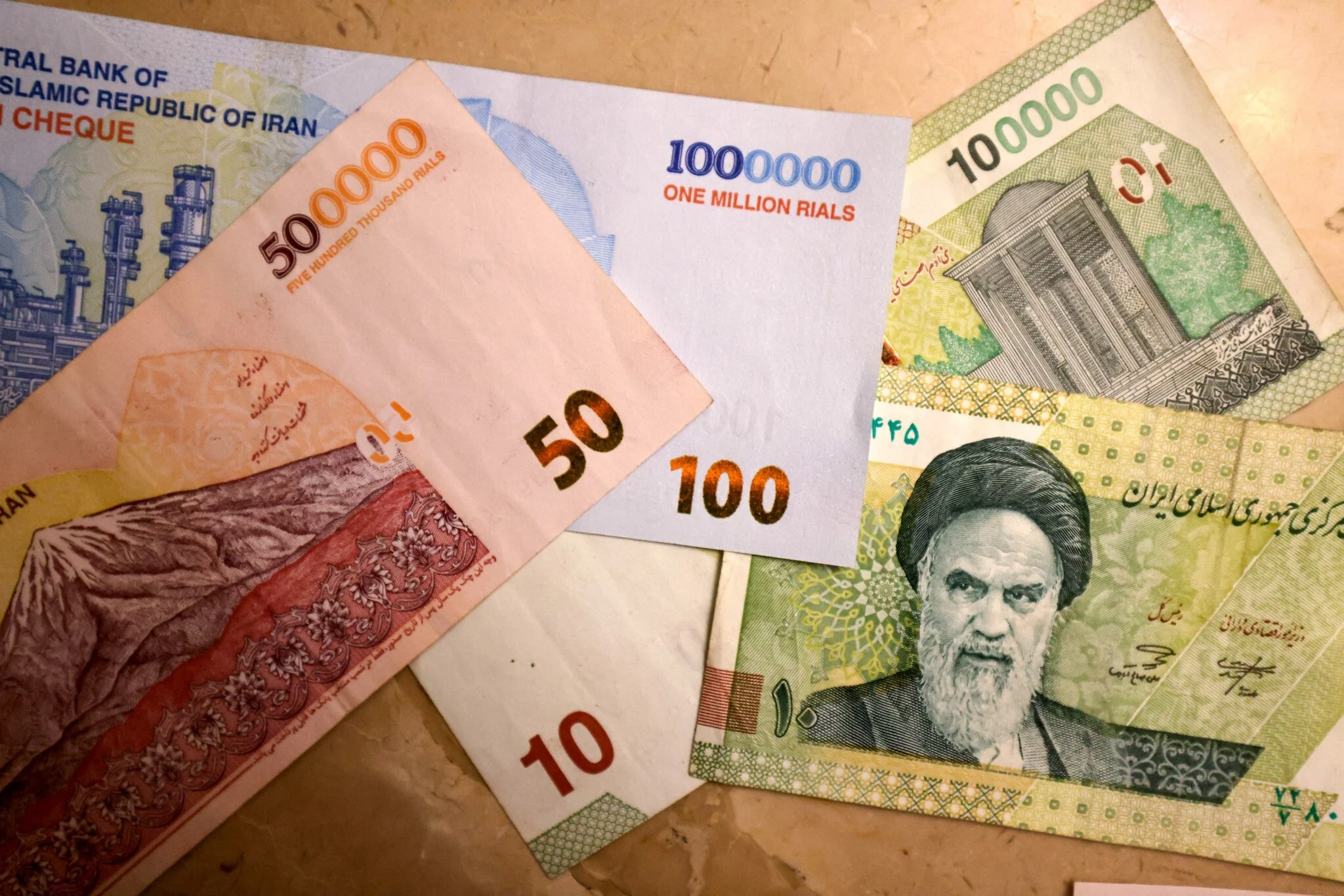
Iran’s currency has fallen to a new record low as Washington prepares another round of sanctions, adding pressure to an economy already weakened by prolonged sanctions, inflation, and the ongoing regional conflict.
Key Statements and Focus Area
- Currency: Iran’s rial fell to approximately 2.02 million per U.S. dollar when informal currency markets opened Monday. The Central Bank of Iran’s official exchange rate stood at around 1.5 million rial per dollar, but the informal market rate is widely used by Iranians for everyday transactions.
- US Treasury: Scott Bessent said, “President Trump decimated Iran’s economy to a point where the rial has never been weaker and inflation has rarely been higher," and that “even stronger sanctions” would include secondary sanctions targeting countries that continue trading with Iran.
- Iranian warning: Following Bessent’s announcement, Mohsen Rezaei, the hard-line head of Iran’s Supreme National Security Council, warned that countries supporting new U.S. economic measures would face consequences. In a post on X, Rezaei described support for the sanctions as an “act of war.”
The currency had already been under significant pressure before the U.S. and Israel attacked Iran on February 28, amid double-digit inflation and negative economic growth. The rial has since reached repeated record lows as the conflict continues to weigh on Iran’s economy. The latest currency decline comes as Washington prepares to announce another package of sanctions against Iran.
Bessent said the measures were intended to increase economic pressure on Tehran and described the planned action as an “economic D-Day.” The United States has been seeking concessions from Iran but has so far failed to reach an agreement with Tehran.
The economic confrontation is unfolding alongside continued disruption to shipping through the Strait of Hormuz. Before the war, around one-fifth of the world’s traded oil passed through the waterway. Iranian attacks and threats during the conflict have significantly disrupted maritime traffic.
Iran and Oman are reportedly in the final stages of discussions over a plan for jointly managing traffic through the strait. Under the reported arrangement, ships would enter the Persian Gulf through an Iranian-controlled route and leave through an Omani-controlled route. Oman’s foreign minister is expected to visit Iran Tuesday for further talks.
U.S. President Donald Trump has sharply criticized Oman, despite the country being a U.S. ally. Trump has threatened military action against Oman if he believes it is obstructing U.S. efforts concerning Iran. The developments have added another layer of diplomatic tension surrounding the future of shipping through the Strait of Hormuz.
The United Arab Emirates announced last week that it was suspending all trade with Iran. The decision came a day after Trump spoke with UAE President Sheikh Mohammed bin Zayed Al Nahyan. The UAE has traditionally been one of Iran’s largest trading partners and a major source of Iranian imports, while also serving as an important re-export and financial hub for Iranian businesses.
FYI
Iran’s rial has experienced prolonged depreciation partly because of persistent inflation, restrictions on access to foreign currency, and uncertainty surrounding sanctions. Iran operates multiple exchange rates, meaning the official rate and the rate available on informal markets can differ substantially.
The country’s economy is also heavily dependent on oil exports, making access to international buyers, shipping routes, and financial channels particularly important. Restrictions on those channels can affect government revenues, imports, and the purchasing power of households.
Dive Deeper: Handpicked Stories for You
Follow Channel8 for continuous updates:
![Irani’s Araghchi, left, meets with Pakistan’s Munir in Islamabad, Pakistan, in April 2026 [File: Iranian Foreign Ministry/AP Photo]](https://media.channel8.com/english/wp-content/uploads/2026/05/AP26115285212508-1777383639.webp)
.jpg)