High Blood Pressure Can Damage Vital Body Organs
At a Glance
- Often develops without clear symptoms
- Can damage the heart and brain
- May impair kidney and eye function
- Regular monitoring helps reduce risks
High blood pressure can remain unnoticed for years while gradually affecting major organs, increasing the risk of serious health complications if it is not controlled.
Key Statements and Focus Area
- Heart: Dr. Dahat Hawezi, a specialist in internal medicine and diabetes, said high blood pressure can place continuous strain on the heart. The heart is forced to work harder to pump blood, which can gradually weaken the heart muscle and reduce its ability to supply blood to the body. High blood pressure also increases the risk of heart attack.
- Brain: According to Dr. Hawezi, this can affect memory and, when blood pressure remains uncontrolled, increase the risk of brain bleeding and stroke. Elevated blood pressure can damage blood vessels in the brain and reduce the flow of blood and oxygen to brain tissue.
High blood pressure can damage the small blood vessels in the kidneys. As this damage progresses, the kidneys can become less effective at filtering the blood and removing waste products from the body. In severe cases, prolonged damage can lead to kidney failure.
The condition can also affect the blood vessels supplying the retina. Damage to these vessels can weaken vision and, in severe cases, may result in vision loss. High blood pressure can also contribute to hardening of artery walls, which can reduce blood flow to different organs.
Controlling blood pressure can help reduce the risk of damage to vital organs. Dr. Hawezi recommends maintaining a healthy lifestyle, undergoing regular medical checkups, and taking prescribed medication on time under the guidance of a specialist.
FYI
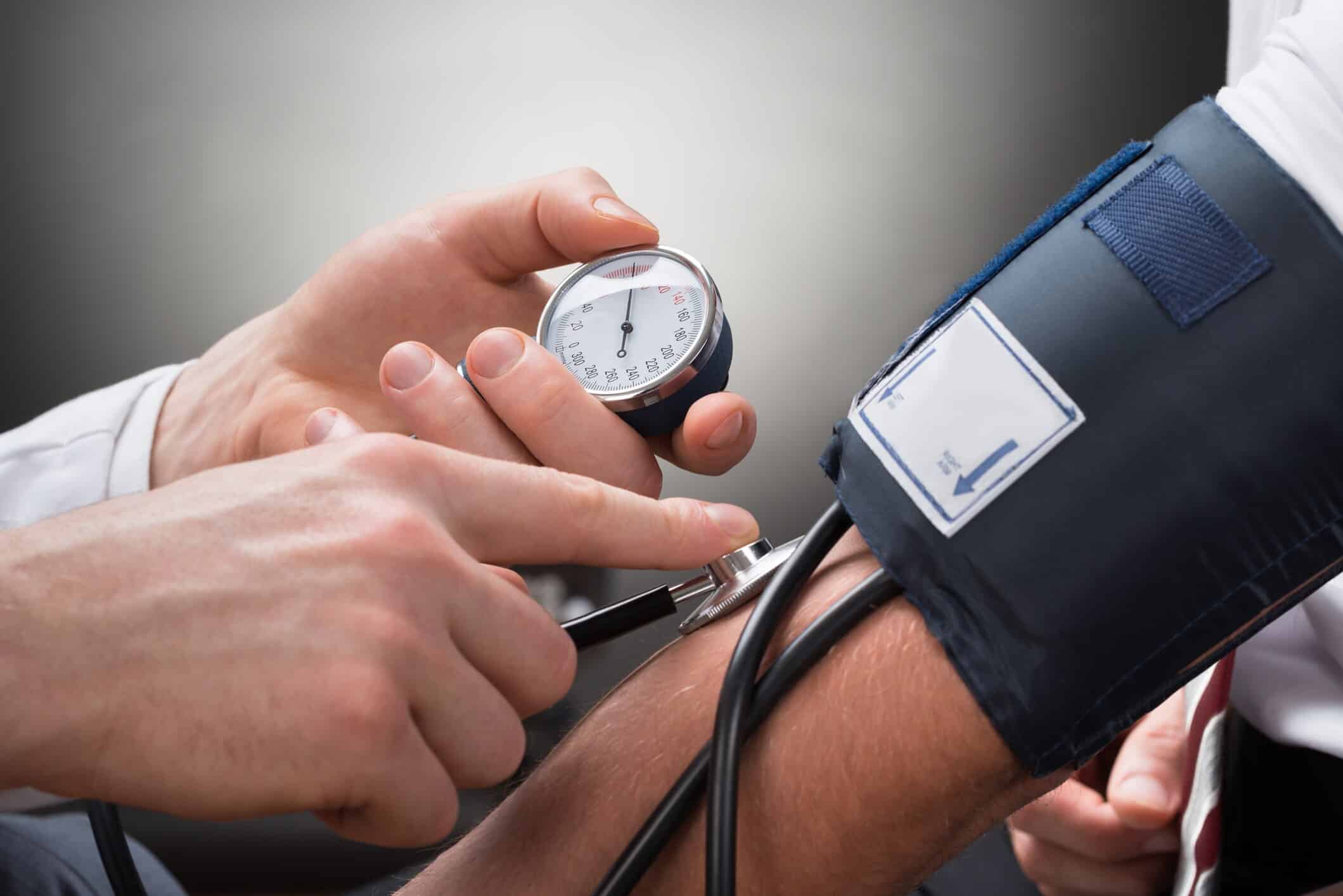
High blood pressure is commonly described as a “silent” condition because many people do not experience noticeable symptoms even when their blood pressure is elevated. Regular blood pressure checks are therefore important, particularly for people at increased risk.
Blood pressure can vary throughout the day and can be influenced by factors such as physical activity, stress, diet, and medication. A healthcare professional can determine whether readings indicate hypertension and advise on appropriate monitoring and treatment.
Dive Deeper: Handpicked Stories for You
Follow Channel8 for continuous updates:
Dermatologist Clarifies Misconceptions on Premature Hair Graying and Follicle Growth