US Signals Pivot From Direct Military Strikes to Economic Pressure on Iran
At a Glance:
- Secretary of State Marco Rubio informed foreign ministers the US has no immediate plans for new military strikes on Iran.
- Operations are shifting toward Treasury-led sanctions under "Operation Economic Outcast" alongside a US naval blockade.
- US forces cited mine clearance in the Strait of Hormuz as a key turning point to secure maritime transit and choke off Iranian oil exports.
- The administration warned it remains prepared to respond militarily if Tehran attacks first.
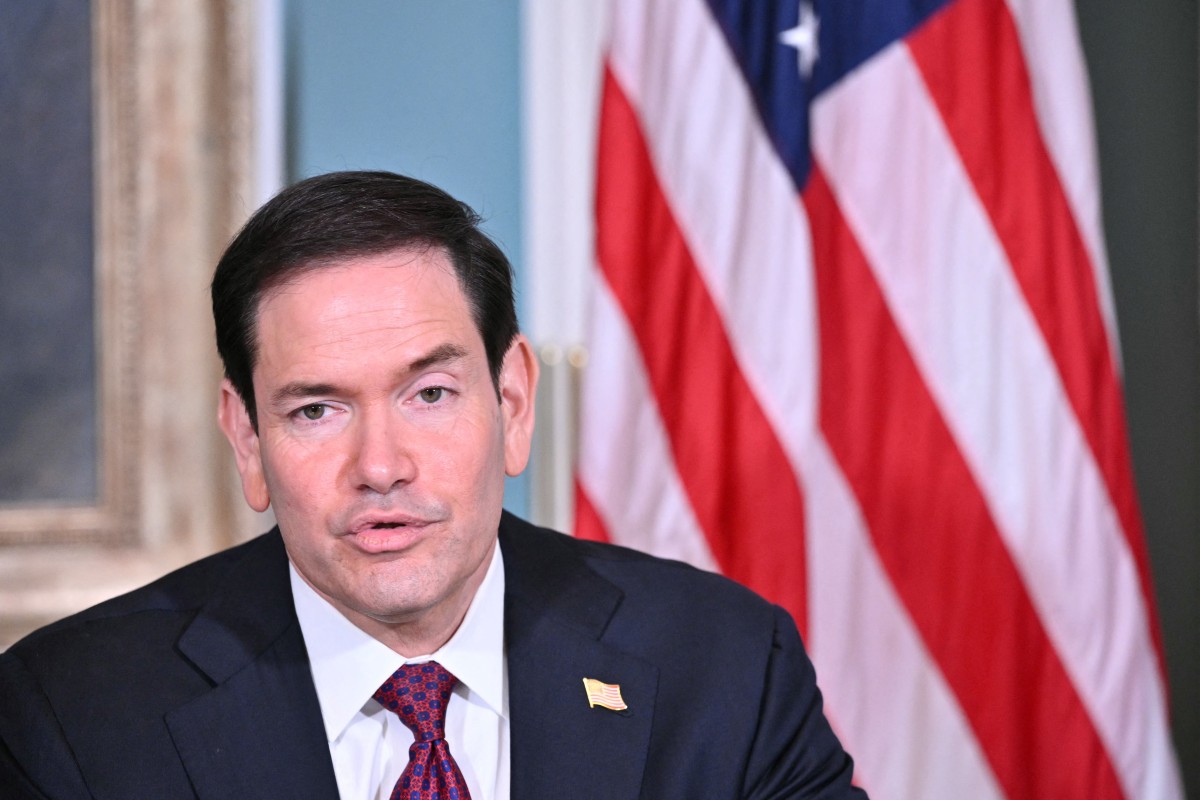
US Secretary of State Marco Rubio has told several foreign ministers that the United States is not currently expected to launch new strikes against Iran, Axios reported on Tuesday, citing sources familiar with the matter.
Key Statements and Focus Area:
- De-escalation with Conditions: "Washington is not planning a return to major combat operations for the time being," a US official confirmed to Axios, while emphasizing that military action remains an option should Iran strike US assets or regional allies first.
- Economic Bottleneck: Commenting on the administration's expanded sanctions framework, State Department Spokesman Tommy Pigott stated, "The Iranian economy is in free fall... and we are cutting off every financial lifeline the regime has remaining."
Strategy Shifts to Economic Containment
Instead of pursuing military options, Rubio said the focus would shift to other measures, including a sanctions initiative announced earlier this week, according to the report. The US on Monday announced an expansion of existing sanctions targeting countries and entities doing business with Iran. Under Treasury Secretary Scott Bessent’s "Operation Economic Outcast," the broad sanctions framework targets foreign entities and nations engaged in trade with Iran across key sectors including shipping, aviation, technology, digital assets, and gold.
Naval Blockade and the Strait of Hormuz
Washington is also enforcing a naval blockade in the strait on vessels traveling to and from Iran. US forces have worked to clear mines from international shipping lanes in the Strait of Hormuz to restore maritime commercial movement while effectively shutting down illicit Iranian crude shipments out of primary export hubs like Kharg Island.
Conditional Posture Ahead of November
Administration sources indicate that this containment-first policy, relying on maritime interdiction and financial sanctions, is intended to remain the baseline approach through the US midterm elections in November. However, officials note that the US posture could quickly pivot back to direct military operations if Tehran attempts to disrupt commercial shipping or break out of its economic isolation via aggressive proxy action.
FYI
The US and Israel began strikes against Iran on February 28, prompting Iranian attacks on neighboring countries and vessels transiting the Strait of Hormuz. The fighting halted under a fragile ceasefire in April following a memorandum of understanding, but tensions escalated again in July. This latest pivot comes as Washington seeks to squeeze Tehran's economy and stabilize global energy markets, utilizing maritime leverage and secondary sanctions to isolate the regime financially while holding direct military action in reserve.
Dive Deeper: Handpicked Stories for You
Follow Channel8 for continuous updates:
Rubio Reports Progress On Strait Of Hormuz Shipping Talks
Rubio: U.S. Ready for Iran Diplomacy, but Tehran Not Serious
26/08/2026