Slemani Sets New Rules for Solar System Connections
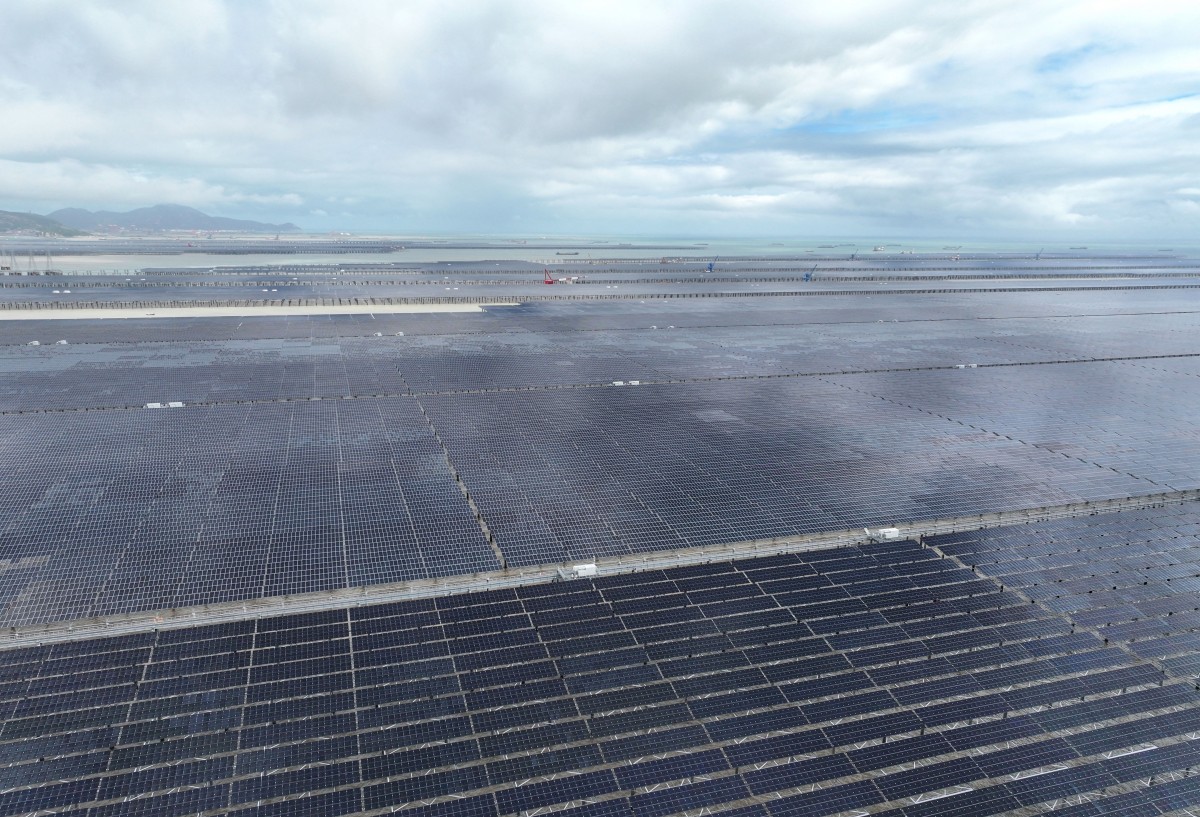
- Subscribers must consult electricity directorates before buying or installing solar power systems.
- Single-phase solar meters are capped at 50 amperes, while three-phase units are capped at 80 amperes total (50 kW per phase).
- Non-compliant systems will be denied grid connection, feed-in credits, and billing adjustments.
- The newly established rules apply strictly to new installations, exempting previously registered subscribers.
Electricity subscribers in Slemani must now obtain formal approval from electricity and energy sales directorates prior to purchasing and installing solar systems under newly issued technical guidelines.
Key Statements and Focus Area:
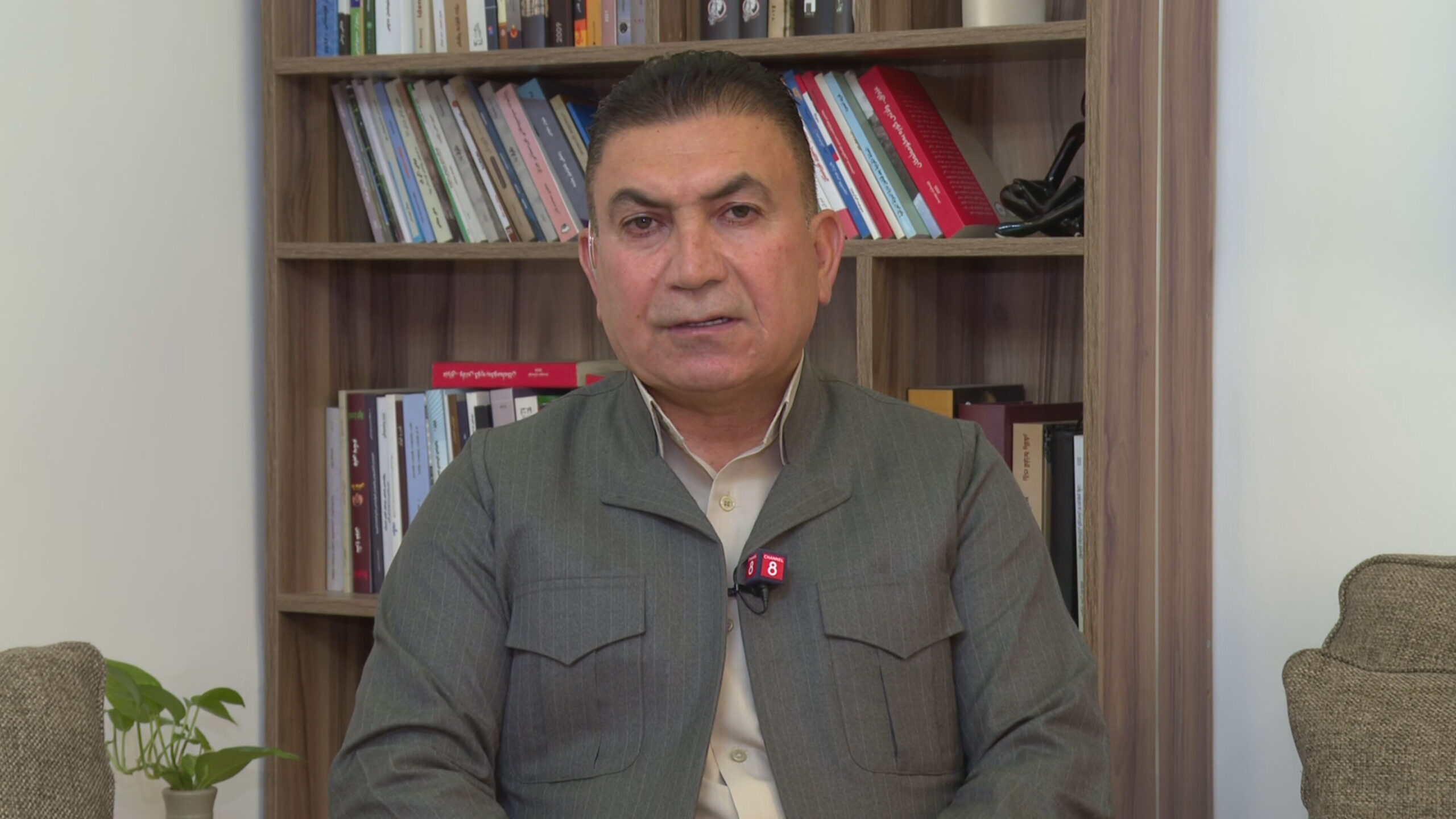
- Mandatory Pre-Installation Steps: Emphasizing the requirement for prior authorization, Sirwan Mohammed, spokesperson for Slemani Electricity, stated to Channel8, "Subscribers must visit electricity and energy sales directorates prior to purchasing and installing the system."
- Grid Connection Enforcement: The General Directorate of Electricity emphasized that subscribers who exceed established technical conditions and ampere limits will not be permitted to connect to the national grid or receive energy feed-in billing adjustments.
Amperage and Technical Capacity Limits
Under the newly introduced regulations, single-phase meters designated for solar conversion are strictly capped at a 50-ampere limit. For three-phase solar systems, capacity is restricted to a maximum of 50 kW per phase and cannot exceed 80 amperes in total. For commercial, industrial, and agricultural electricity applications, the return current must remain within the current transformer (C.T.) rating. If a system's solar generation capacity exceeds the designated meter rating, any returned power will not be credited to the owner's account.
Official Statistics and Sector Distribution
Data from the Technical Department at Slemani Electricity shows that 4,562 subscribers have registered and installed solar systems to date, generating a combined total of over 102 megawatts. Residential connections dominate the network, accounting for 3,747 subscribers, followed by 659 commercial, 134 agricultural, 15 industrial, and 7 governmental installations. Directorate spokesperson Sirwan Mohammed confirmed that the newly detailed limits apply only to prospective subscribers, allowing previously installed systems to remain operational under former rules.
FYI
These technical guidelines arrive amid a surge in solar adoption across the Kurdistan Region, driven by utility billing adjustments and efforts to reduce stress on the regional electrical grid. With regional solar output passing the 100-megawatt milestone in Slemani alone, electricity directorates are acting to standardize feed-in infrastructure. By capping consumer solar capacities and enforcing meter transformer parameters, local authorities aim to protect distribution networks from reverse-flow overload while ensuring equitable grid integration for residential and commercial producers.
Dive Deeper: Handpicked Stories for You
Follow Channel8 for continuous updates:
Sulaymaniyah Approaches 100-Megawatt Milestone in Solar Energy Production
First Fully Solar-Powered Village Opens in Kurdistan, Boosting Iraq’s Climate Adaptation Efforts
.jpg)

.webp)