Iraq Expands 2030 Anti-Corruption Strategy Across Public Sectors
At a Glance:
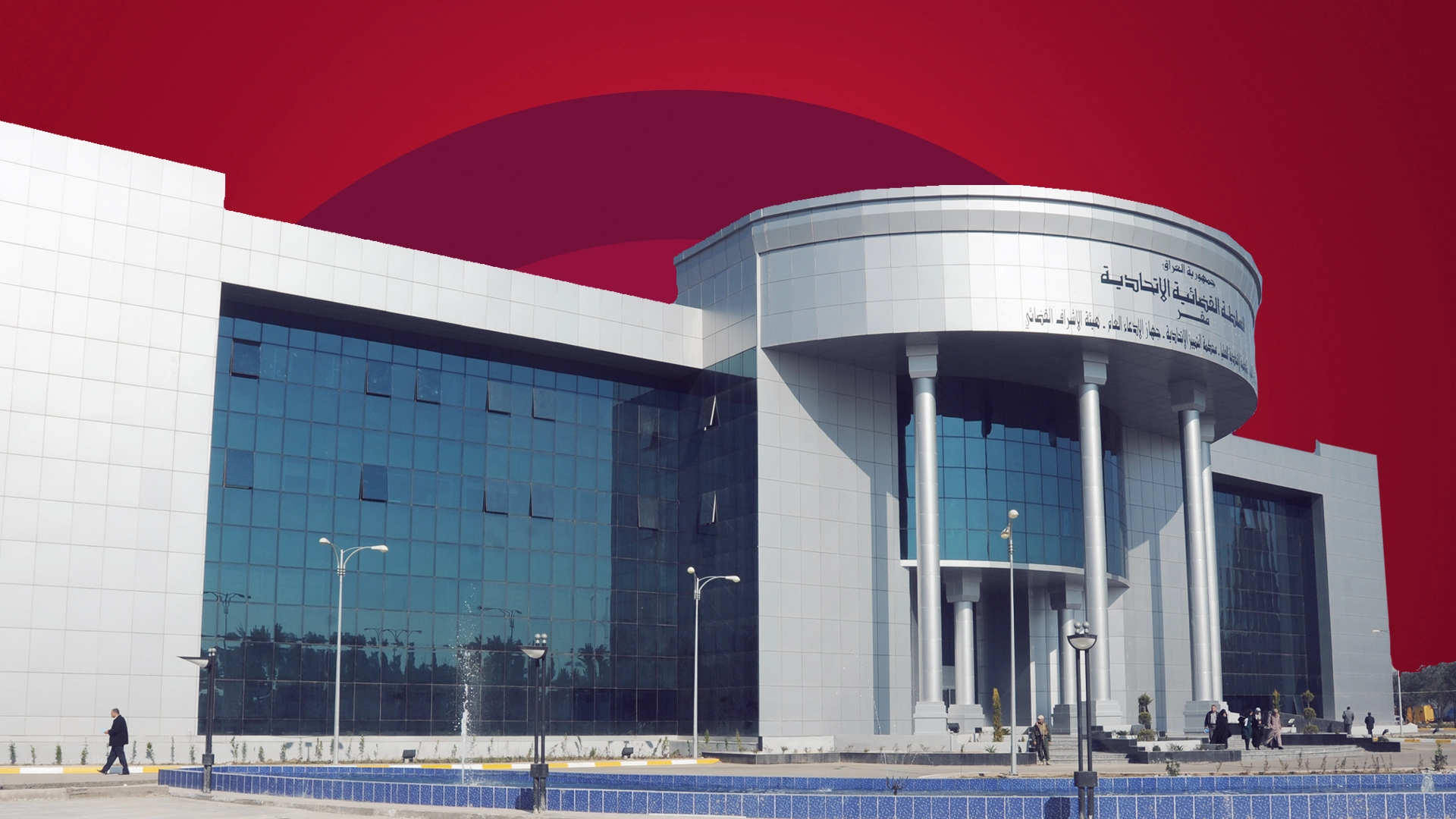
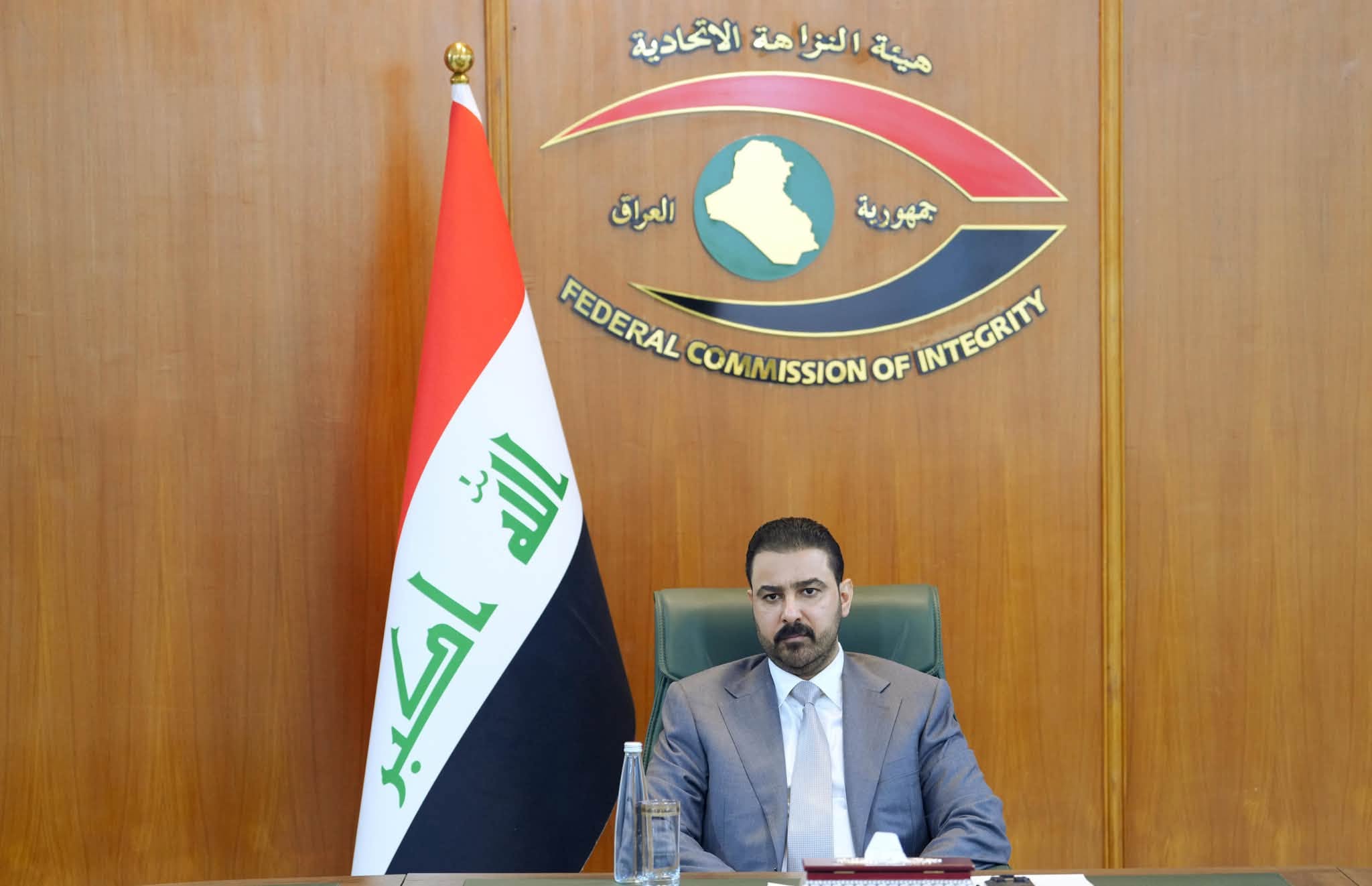
- Prime Minister Ali Faleh al-Zaidi visited Federal Integrity Commission headquarters to establish enhanced oversight frameworks.
- Mandated a new project oversight model structured around budget scale: high-cost major infrastructure, medium-scale development, and small-scale local projects.
- Directs active enforcement of legal financial rewards for whistleblowers reporting public corruption.
- Audit teams completed formal contract reviews across eight ministries under the 2030 anti-corruption framework.
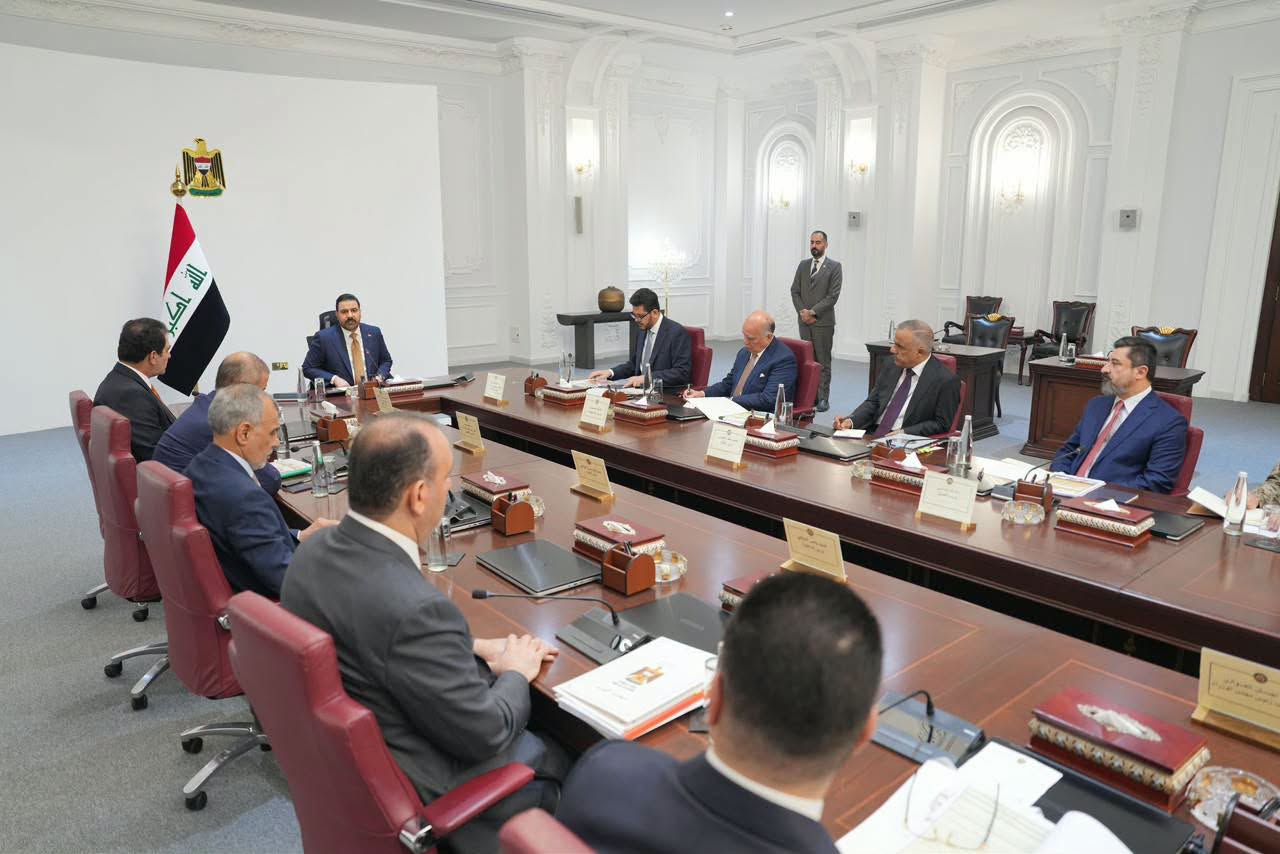
Iraqi Prime Minister Ali Faleh al-Zaidi directed the implementation of a comprehensive, three-tiered project oversight system during an official visit to the Federal Integrity Commission headquarters. Framing anti-corruption as a core state security priority, al-Zaidi ordered stricter border controls, public reporting mechanisms, and systemic financial audits spanning both national ministries and provincial infrastructure projects.
Key Statements:
"The Integrity Commission serves as our primary line of defense in a crucial national battle against corruption. Its mandate must systematically emphasize preventative measures alongside aggressive investigative oversight." — Prime Minister Ali Faleh al-Zaidi.
Directives for Project Oversight and Informant Incentives
During his meeting with commission leadership, Prime Minister al-Zaidi established a three-tiered oversight model categorizing projects by total expenditure: high-cost major infrastructure, medium-scale development, and local municipal initiatives. To enhance public participation in oversight, he ordered full enforcement of whistleblower reward laws to protect and compensate informants. Additionally, al-Zaidi called for heightened monitoring at international border crossings, public exposure of convicted corrupt actors, and mandatory quarterly progress reports to evaluate anti-corruption metrics.
Institutional Progress and Provincial Audits
Commission leadership reported significant milestones executed under the National Anti-Corruption Strategy extending through 2030. Specialized field auditing units have finalized comprehensive contract reviews across eight key ministries, with operations continuing to cover remaining state entities. Under the Prime Minister's latest mandate, provincial-level infrastructure developments will now undergo the exact same rigorous audit protocols applied to cabinet-level ministerial spending to prevent localized financial mismanagement.
FYI
Al-Zaidi's proactive engagement with the Integrity Commission reflects an executive shift toward embedding systemic, preventative compliance mechanisms directly into state procurement. By enforcing multi-tiered auditing models and extending scrutiny to provincial budgets, the administration aims to institutionalize fiscal transparency and protect public funds across all levels of government.
Dive Deeper: Handpicked Stories for You
Follow Channel8 for continuous updates:
Central Bank of Iraq To Monitor Bank Accounts of Politicians and Officials
Senior Iraqi Electricity Official Sentenced to Three Years for Corruption
Iraqi Finance Ministry Prepares First Performance-Based Budget