Iraq Accelerates Air Defense Modernization to Three Years
At a Glance
- Iraq has reduced the timeline for modernizing its air defense system from six years to three.
- Iraq is expanding radar, surveillance, and early-warning capabilities to counter missile threats.
- A longer-term strategy and annual funding will be needed to achieve full independence.
Iraq has shortened its air defense modernization plan from six years to three as it prepares to assume full responsibility for protecting its airspace. The accelerated timeline comes ahead of the planned withdrawal of coalition forces at the end of September.
Key Statements and Focus Area
- Modernization Timeline: The air defense development period has been reduced from six years to three by the order of Prime Minister and Commander-in-Chief of the Armed Forces Ali Faleh al-Zaidi.
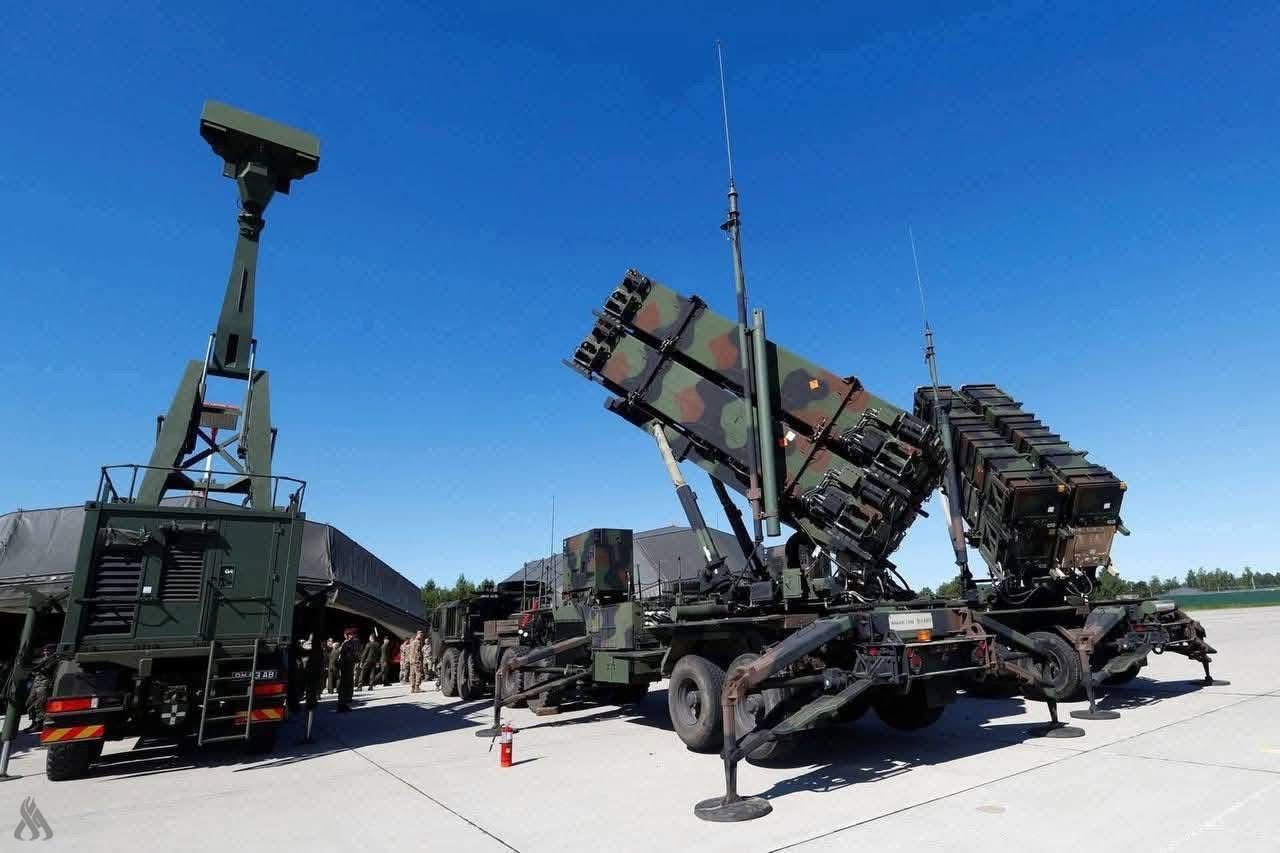
- Air Defense Capabilities: Iraq is upgrading surveillance and early-warning systems and expanding its radar capabilities to detect and counter drones and missiles.
- Long-Term Requirements: Military assessments point to a 10-year strategy accompanied by annual funding of between $7 billion and $10 billion. Such investment would be aimed at developing independent capabilities to protect Iraq’s territorial sovereignty without relying on international assistance.
The Iraqi government has ordered the acceleration of its air defense modernization program as the September 30 deadline for the withdrawal of coalition forces approaches.
Iraq is also working to coordinate its five main army commands to strengthen operational control over the country’s airspace.
French-manufactured Thales radar systems are being operated within Iraqi air defense units. Baghdad is also continuing to procure additional military technologies as part of the modernization effort.
The accelerated program is intended to enable Iraqi forces to assume full responsibility for protecting the country’s airspace following the coalition withdrawal.
However, military and security experts have questioned whether the country can achieve full air defense independence within three years. They argue that building the necessary logistical, human, and technological infrastructure requires a longer-term approach.
FYI
The impending departure of the U.S.-led international coalition marks the conclusion of a structured, phased drawdown negotiated directly between Washington and the Iraqi government.
Formed originally in 2014 to counter the territorial rise of ISIS, the coalition transitioned to a purely advisory and training mission after Iraq declared military victory in 2017. Following years of regional friction and legislative pressure from Baghdad, a formal exit strategy was established.
Under this agreement, the initial phase concluded with the evacuation of federal installations, including the Ain al-Asad airbase in Anbar and facilities in Baghdad. The second and final phase requires the total withdrawal of remaining personnel, logistical networks, and air defense hardware from the Kurdistan Region by September 30.
Moving forward, the relationship will transition into standardized, bilateral security partnerships centered on direct intelligence-sharing and defense procurement without an active foreign military footprint.
Dive Deeper: Handpicked Stories for You
Follow Channel8 for continuous updates:
Iraq and Peshmerga Forces Hold Joint Security Meeting
Iraq Rejects U.S. Extension Request, Reaffirms Firm Armed Factions Deadlines
Al-Nujaba Movement Leader Threatens Decisive Conflict Against US Forces After September 30
07/09/2026