Trump Says Iran War May Be Nearing An End
At a Glance
- US President Donald Trump said Wednesday he hoped the war with Iran was nearing an end.
- Axios reported Trump is expected to meet Gulf leaders during next week's UN General Assembly in New York.
- The reported meeting is expected to address US plans for a postwar regional strategy.
- The conflict, which began on February 28, 2026, remains unresolved, with disputes over Iran's nuclear program, the Strait of Hormuz and sanctions relief.
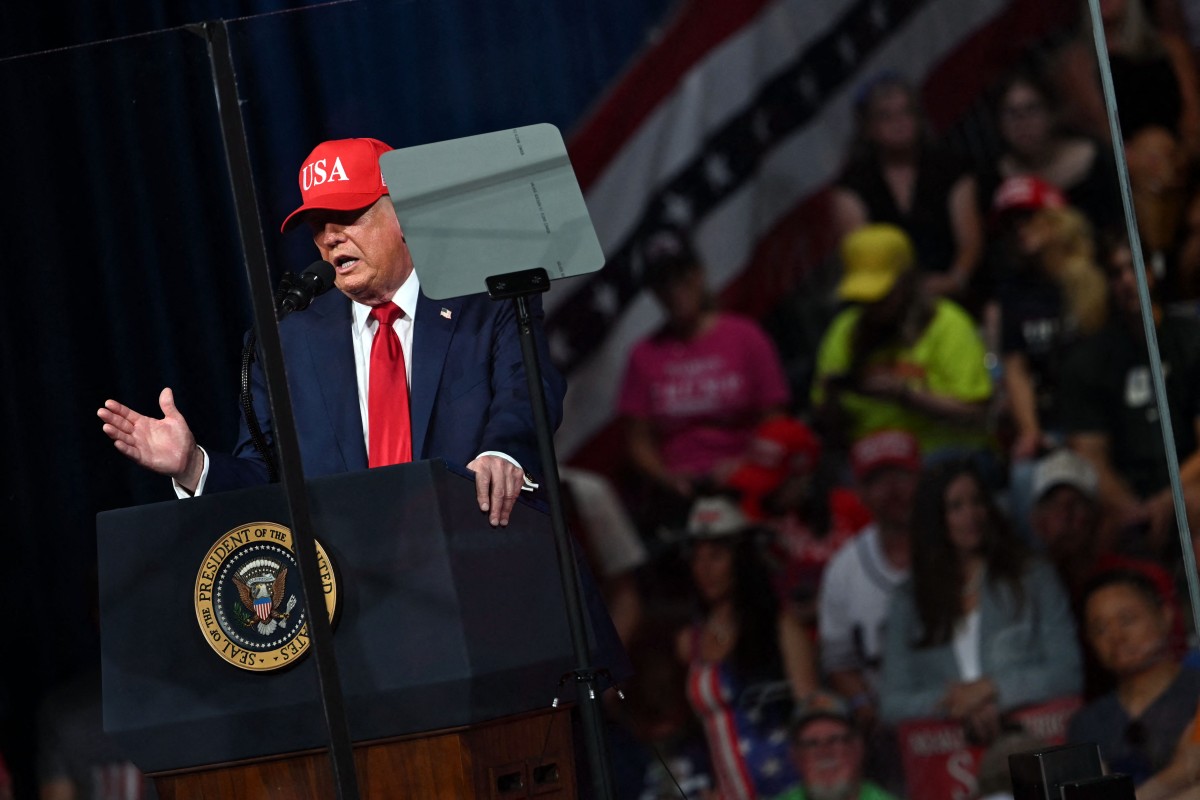
U.S. President Donald Trump said Wednesday he hoped the war against Iran was nearing an end, while a report said he is expected to meet Gulf leaders in New York next week to discuss the conflict and potential postwar arrangements.
Key Statements and Focus Area
"Hopefully we are towards the end of the war."
Trump also said Iran wants to make a deal and said he had heard from Tehran directly, without providing details.
Gulf Leaders Meeting
According to Axios, Trump is expected to meet with leaders or foreign ministers representing the six Gulf Cooperation Council states: Saudi Arabia, the United Arab Emirates, Qatar, Bahrain, Kuwait and Oman.
The meeting, expected on the sidelines of the UN General Assembly in New York, would focus on US ideas for a postwar strategy. The White House and State Department had not publicly confirmed the meeting as of the latest reports.
Conflict Status
The war began on February 28, when the United States and Israel launched strikes against Iran, followed by Iranian attacks against Israel and Gulf states hosting US military facilities. Large-scale fighting was partially interrupted by a Pakistan-mediated ceasefire and a June memorandum, but subsequent strikes have continued and a durable settlement has not been reached.
The central unresolved issues include Iran's nuclear program, the future of the Strait of Hormuz and sanctions relief. Iran maintains that its nuclear enrichment program is peaceful, while the United States has cited reducing Iran's nuclear capabilities as a key objective of the war.
Regional And Economic Impact
The conflict has also expanded beyond the direct US-Iran confrontation. Attacks involving Iranian-aligned groups have affected Gulf security and energy infrastructure, while disruptions around the Strait of Hormuz have placed additional pressure on global oil markets.
The economic impact is particularly significant because the Strait of Hormuz is a major global energy chokepoint. Recent disruptions have pushed oil prices higher and increased fuel costs, adding domestic economic pressure in the United States as the November midterm elections approach.
Data Table
| Issue | Current Status |
|---|---|
| War began | February 28, 2026 |
| Current duration | Seventh month |
| US position | Trump says he hopes the war is nearing an end |
| Reported diplomatic meeting | Trump and Gulf leaders, New York |
| Expected timing | Next Tuesday, during UN General Assembly |
| Gulf states involved | Saudi Arabia, UAE, Qatar, Bahrain, Kuwait, Oman |
| Reported focus | US postwar strategy |
| Major unresolved issues | Nuclear program, Strait of Hormuz, sanctions |
| Key economic impact | Higher oil and fuel prices |
FYI
Trump's comments come as his administration is simultaneously preparing for what it describes as a possible postwar regional strategy, suggesting that Washington is considering the political and security arrangements that could follow an eventual end to major fighting. Axios reported earlier this month that US officials were developing a plan involving regional alignment against Iran, possible expansion of normalization agreements and efforts to address other unresolved regional conflicts.
For the Gulf states, however, the question extends beyond the outcome of the US-Iran confrontation. Saudi Arabia and other Gulf countries have faced attacks and threats to energy infrastructure during the conflict, while US military facilities in the region have also come under Iranian attack. Recent reporting indicates that Saudi Arabia has sought additional support from regional and Western partners as its air-defense resources face pressure.
The reported New York meeting could therefore provide an indication of how Washington intends to involve its Gulf partners in any postwar security framework. Whether Trump's stated hope of ending the war translates into renewed negotiations remains uncertain, with the core disputes over Iran's nuclear activities, sanctions and the Strait of Hormuz still unresolved.
Dive Deeper: Handpicked Stories for You
Follow Channel8 for continuous updates:
Trump Rejects AI Guardrails, Calls Risks a Hoax
Trump Promises $5,000 "Trump Dividend" If GOP Retains Congress
17/09/2026