Iraq Reopens Military Airspace to Civil Aviation After 10 Years
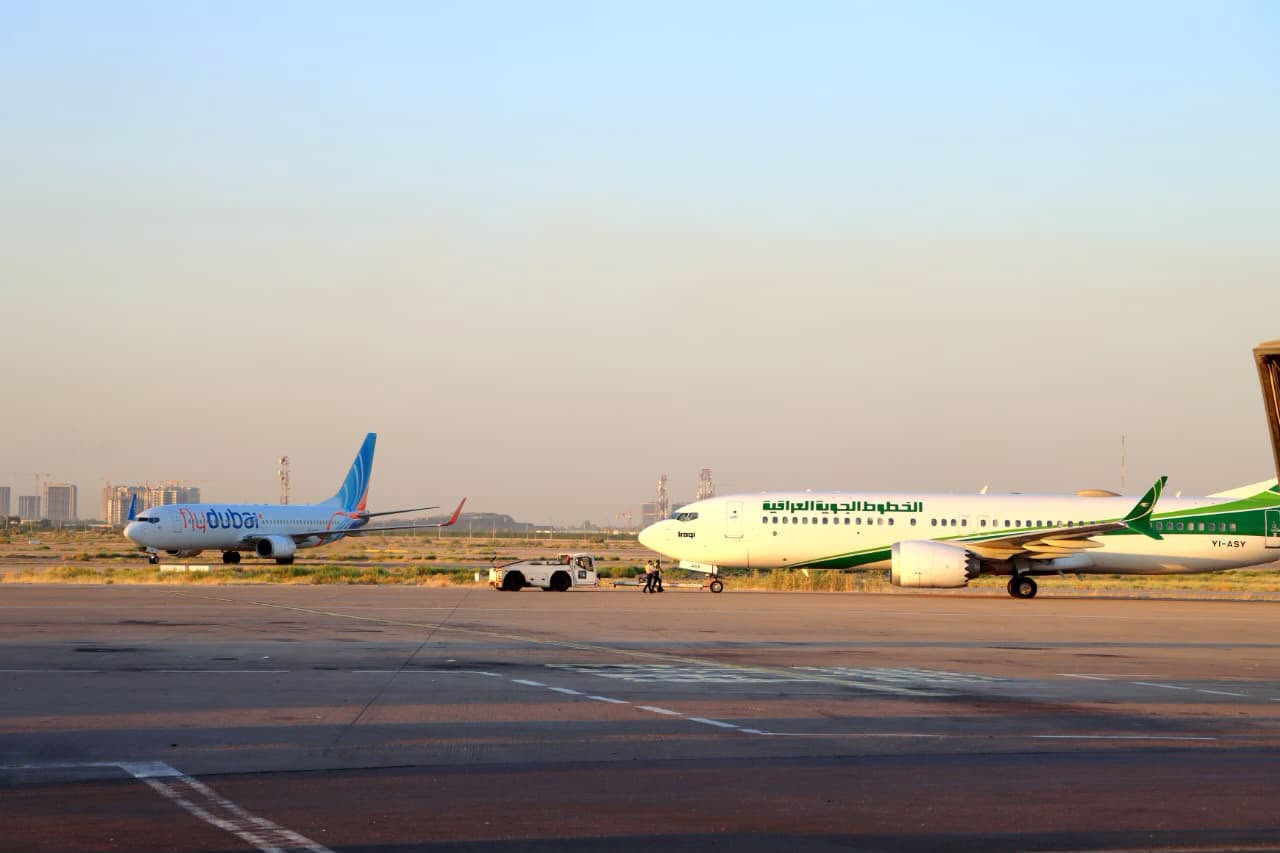
At a Glance
- Iraq fully reopened its skies to civil aviation after 10 years of military restrictions.
- The Air Operations Center removed all western military zones from the country's official aviation registry.
- Commercial airlines can now use new flight paths across western Iraq to reduce travel times.
- The government expects a major boost in national transit revenue from increased global overflights.
After 10 years, restrictions on Iraqi airspace have come to an end, fully reopening the country's skies to civil aviation. The Director of the General Company for Airports and Air Navigation Management announced that military zones have been removed from Iraq's aviation registry (AIP) and will no longer host military operations.
Key Statements and Focus Area
- The Director of the General Company for Airports and Air Navigation Management, Ihab Saad Karim, confirmed that his agency has been formally notified by the Air Operations Center that military zones have been removed from the Iraqi Aeronautical Information Publication (AIP) and will no longer host military operations.
- According to statistics, 12,000 civil flights were recorded in the skies and airports of Iraq last month.
Speaking during a press conference, Director Ihab Saad Karim explained that all those zones that were restricted in the western part of the country (from north to south) have been handed over to the General Company for Airports and Air Navigation Management in order to be opened to civil aircraft.
Karim noted that restrictions on commercial traffic over western Iraq first took effect between 2016 and 2017.
He emphasized that lifting the ban will facilitate the creation of new flight paths, significantly boosting the country's national revenue.
FYI
According to Ministry of Transport statistics, Iraq recorded 12,000 civil flights across its skies and airports last month.
This total included 9,536 takeoffs and landings at domestic airports alongside 3,275 international transits passing through Iraqi airspace.
Of the total airport traffic, Baghdad International Airport accounted for 45% of flights, followed by Najaf at 23%, Erbil at 17%, and other regional airports at 15%.
Dive Deeper: Handpicked Stories for You
Follow Channel8 for continuous updates:
New Map Outlines 26 Border Crossings Across Iraq and Kurdistan Region
Sulaymaniyah International Airport Officially Renamed Jalal Talabani International Airport
18/09/2026