Japan Reports Record Number of People Aged 100 and Over
At a Glance
- 107,677 people aged 100 or older now live in Japan.
- It is the first time the country’s centenarian population has surpassed 100,000.
- Women account for 94,298, or 87.6%, of the total.
- The number of centenarians has increased for the 56th consecutive year.
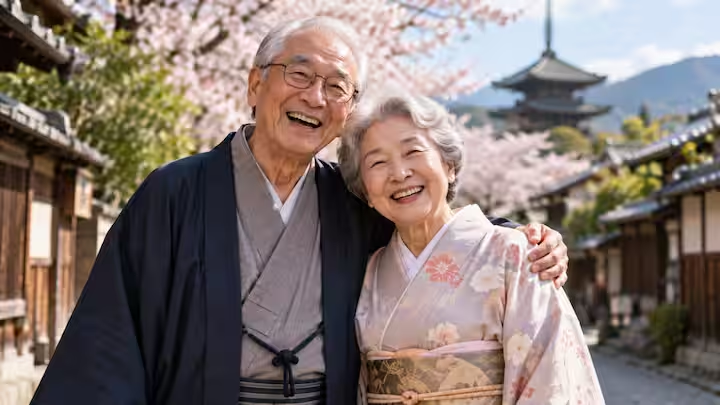
Japan’s number of people aged 100 or older has surpassed 100,000 for the first time, reaching a record 107,677, according to figures released by the country’s Ministry of Health, Labour and Welfare.
The figure increased by 7,914 from the previous year, underscoring Japan’s rapidly aging population and its continued rise in longevity.
Key Figures
| Indicator | Figure |
|---|---|
| People aged 100+ | 107,677 |
| Women | 94,298 |
| Men | 13,379 |
| Share of women | 87.6% |
| Increase from previous year | 7,914 |
| Consecutive years of increase | 56 |
Longevity In Japan
Japan’s health ministry says the increase in the number of centenarians is associated with improvements in living environments, diet and nutritional conditions, and advances in medical technology.
Health Minister Kenichiro Ueno said the growing number of people living long and healthy lives is encouraging, while emphasizing the importance of maintaining a sustainable social security system as the population continues to age.
Japan’s centenarian population has grown dramatically since official records began. There were just 153 people aged 100 or older in 1963, compared with more than 107,000 today. The figure passed 1,000 in 1981, 10,000 in 1998 and 50,000 in 2012.
Women Make Up Majority
Women represent the overwhelming majority of Japan’s centenarian population, accounting for 87.6% of those aged 100 and older.
The country’s oldest living woman is 114-year-old Fuyo Kishimoto of Kyoto, while the oldest man is 112-year-old Hikaru Kato of Kumamoto, according to reports based on the latest figures.
Demographic Challenge
The rise in longevity is occurring alongside Japan’s declining birth rate and shrinking population, creating a significant demographic challenge.
The government faces increasing pressure to maintain social security and healthcare systems as the share of older people rises, while the country’s younger population continues to decline.
The health ministry has said that sustaining social security will require continued attention to how benefits and financial burdens are distributed across generations.
FYI
Japan’s record number of centenarians reflects decades of gains in longevity, improved living conditions and medical advances, but it also highlights the country’s broader demographic transformation. The combination of longer life expectancy and fewer births is reshaping Japan’s workforce, healthcare and social security needs, making population aging both a public-health achievement and a long-term policy challenge.
Dive Deeper: Handpicked Stories for You
Follow Channel8 for continuous updates:
Japan Earthquake Injures 37 Across Five Prefectures
Iraq, Japan JGC Resume Shuaiba FCC Project
Japan Confirms Release of One Citizen Detained in Iran, Another Still Held