Iraq Says Understanding Reached With Armed Groups To Halt Attacks
At a Glance
- Iraq says understandings have been reached with armed groups to prevent attacks against the Kurdistan Region, Iraq and neighboring countries.
- Saad Maan says efforts to bring weapons under state control are progressing through dialogue and coordination.
- Armed groups and their weapons would be brought under official state institutions and the command of the Commander-in-Chief.
- Iraqi political and judicial institutions are reportedly supporting the government's weapons-control initiative.
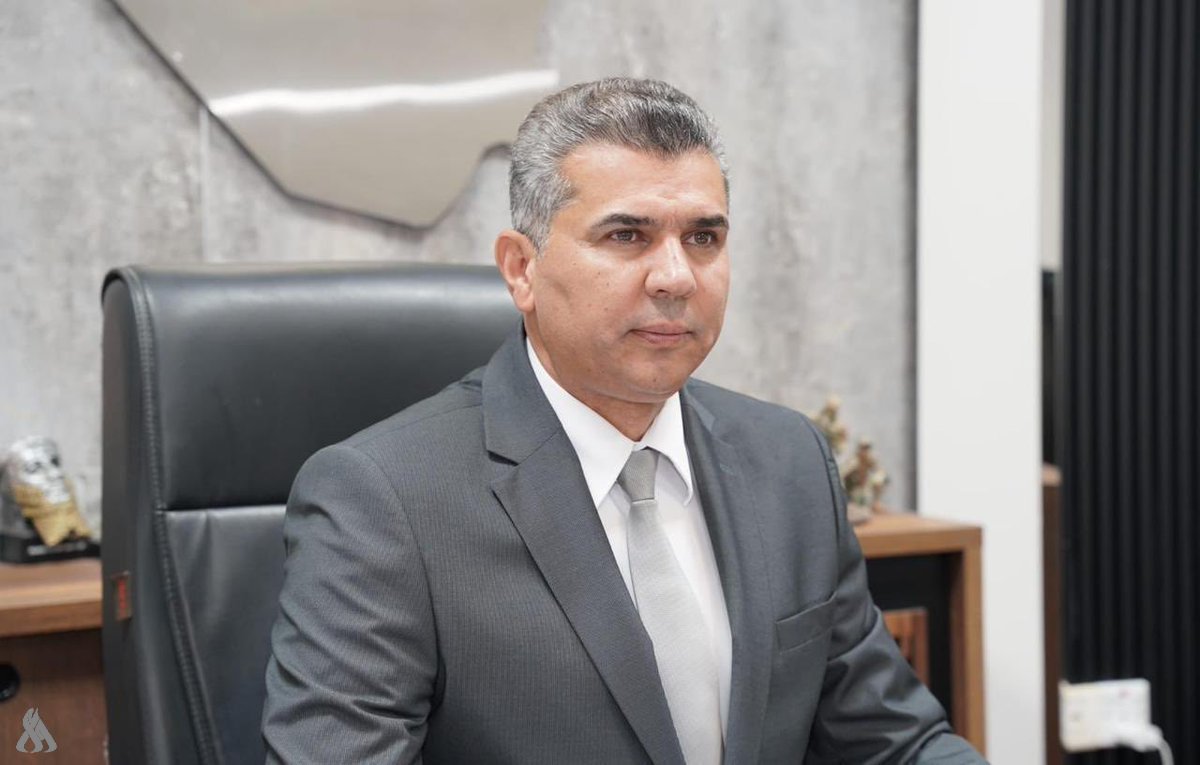
Iraq says it has reached understandings with armed groups aimed at preventing attacks against the Kurdistan Region, other parts of Iraq and neighboring countries, according to Saad Maan, head of the Security Media Cell.
Speaking to Sabah newspaper, Maan said dialogue with armed groups had made progress, with preventing attacks described as a priority.
KEY STATEMENT
“The understandings and agreements with the armed groups are aimed at ensuring that no attacks are carried out against the countries of the region, inside Iraq or against the Kurdistan Region.”
— Saad Maan, Head of Iraq's Security Media Cell
WEAPONS UNDER STATE CONTROL
Maan said discussions are continuing over the mechanism for bringing weapons under state control.
Under the reported framework, members of armed groups and their weapons would be incorporated into official state institutions and placed under the authority of the Commander-in-Chief of the Armed Forces.
He said the remaining issue is largely related to the timing and practical mechanisms for implementation, with technical discussions continuing on how the weapons-control process would be organized.
POLITICAL AND JUDICIAL SUPPORT
According to Maan, the initiative to place weapons under state control has received support from political forces, the Iraqi Council of Representatives, the Supreme Judicial Council and forces within the Coordination Framework.
He also said the initiative has received significant international attention and that there is an initial political understanding to support the government's efforts.
IRAQ-KURDISTAN SECURITY COORDINATION
The reported developments come alongside wider efforts by Baghdad and the Kurdistan Regional Government to strengthen security coordination.
Recent discussions between federal and Kurdistan Region authorities have focused on joint security arrangements, border control and preventing armed groups and smuggling networks from exploiting security gaps.
FYI
The reported understandings form part of a broader Iraqi government effort to consolidate the state's control over weapons and security decision-making. Iraqi officials have said the policy is intended to cover weapons held outside the formal state security institutions rather than target a particular political faction or community.
For the Kurdistan Region, the issue is particularly relevant because Baghdad has also been seeking greater coordination with Erbil over border security and preventing Iraqi territory from being used for attacks against neighboring states. The reported framework would still depend on the details of implementation, including how armed personnel and weapons would be incorporated into existing state institutions.
Dive Deeper: Handpicked Stories for You
Follow Channel8 for continuous updates
Zaidi Outlines Iraq's Global Strategic Vision At UN General Assembly
.jpg)