Caretaker KRG Cabinet Advances Peshmerga, Electricity, and Business Reforms
At a Glance
- The KRG Council of Ministers reviewed progress toward unifying the Peshmerga forces under one institutional framework.
- The council extended electricity debt discounts until October 18, 2026.
- Ministers approved preparations to apply amended federal public companies legislation in the Kurdistan Region.
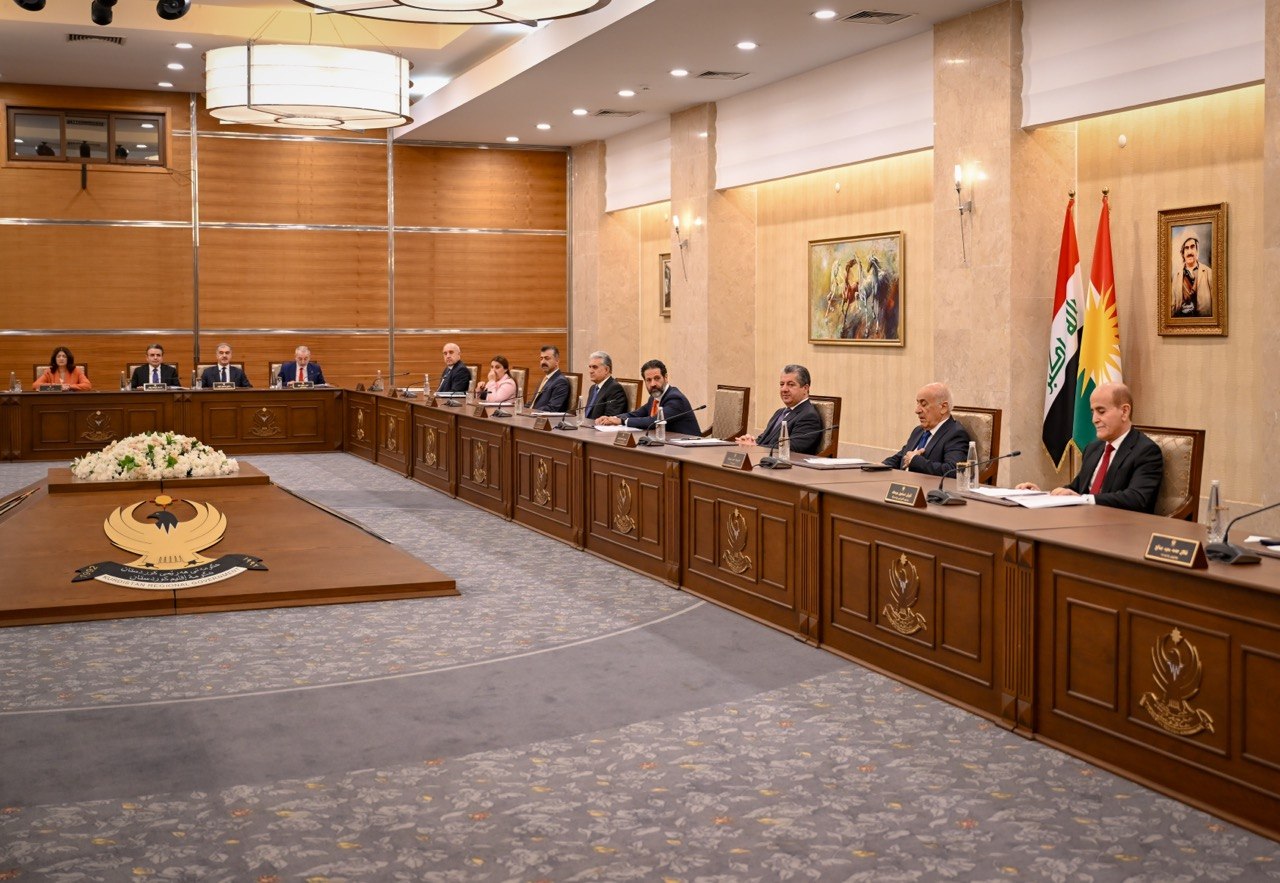
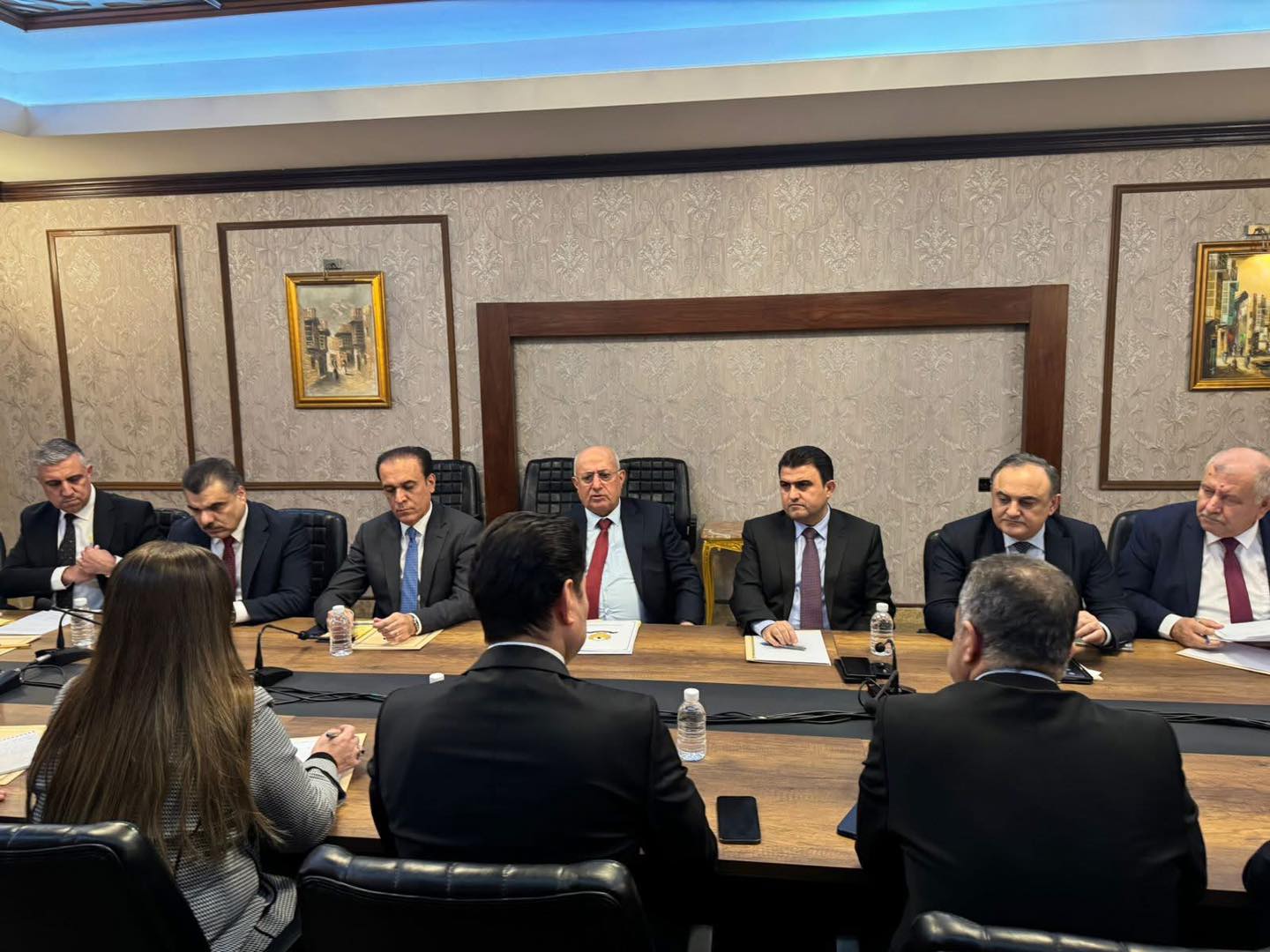
The Caretaker Kurdistan Regional Government Council of Ministers held its meeting on Wednesday, reviewing measures concerning the Peshmerga forces, electricity debt, and economic legislation.
Key Statements and Focus Area
- Peshmerga Unification: “The unification of the Peshmerga forces is a historic and national achievement for the Kurdistan Region.” — KRG Prime Minister Masrour Barzani.
- Financial Rights: “The salaries, allowances, and financial entitlements of the Peshmerga” should be equalized with their counterparts in Iraq’s federal defense institutions. — KRG officials.
- National Support: The council called on all political parties to support the Peshmerga unification process “in a spirit of national responsibility.” — KRG Council of Ministers.
Peshmerga Unification Enters Next Phase
The Minister of Peshmerga Affairs presented a report outlining the steps completed so far and the requirements for the next phase of bringing the forces under the Ministry of Peshmerga Affairs.
According to the report, all Peshmerga personnel have completed biometric registration. Their salaries have also been digitized through banking procedures, while personnel lists and related data have been reviewed and audited by relevant federal government institutions.
The council also discussed the financial framework required to support the Ministry of Peshmerga Affairs. It directed the KRG’s high negotiating delegation to continue negotiations over the 2027 federal budget to secure funding for Peshmerga salaries, allowances, financial entitlements, operations, training, armaments, and projects as part of sovereign expenditures.
The council said Kurdish representatives and parliamentary factions in Baghdad should support the demand during the preparation and approval of the 2027 federal budget.
Prime Minister Masrour Barzani described the process as an institutional transformation intended to place the Peshmerga under unified command and institutional decision-making. Deputy Prime Minister Qubad Talabani also welcomed the progress and stressed continued reform and professionalization within the Ministry of Peshmerga Affairs.
The council thanked the United States, Coalition forces, and international partners involved in the Peshmerga organization, reform, and unification program and called on political parties to support the process.
Electricity Debt Discount Extended
The council reviewed the implementation of Decision No. 299, issued on July 22, 2026, which introduced discounts for accumulated electricity debts owed by national grid subscribers.
The Minister of Electricity presented data on public participation, debt payments, and the effect of the measure on reducing accumulated arrears and generating additional revenue for the electricity sector.
Following the discussion, ministers unanimously approved extending the discount period from September 24 to October 18, 2026, while maintaining the same conditions established under the original decision.
KRG Moves To Align Company Laws
The final agenda item focused on preparations to implement the Federal Public Companies Law in the Kurdistan Region and reduce differences between regional and federal legal and administrative procedures governing economic and commercial activities.
The Minister of Trade and Industry said public companies play an important role in economic, commercial, industrial, and service activities. The discussion examined how experience from the federal system could help public institutions operate more efficiently while maintaining oversight, transparency, and protection of public assets.
The Director General of the Companies Registration Department called for greater alignment between corporate, trade, investment, and economic legislation. The aim is to reduce legal and procedural differences and make it easier for companies and traders from the Kurdistan Region to operate across Iraq.
The council ultimately approved implementation of Amended Public Companies Law No. 22 of 1997 in the Kurdistan Region alongside Amended Companies Law No. 21 of 1997, describing the two laws as complementary frameworks.
FYI
The Peshmerga unification process has been a long-running KRG reform effort focused on bringing forces historically associated with different political parties under the institutional authority of the Ministry of Peshmerga Affairs. Its implementation has involved biometric registration, salary digitization, personnel verification, restructuring, and coordination with federal and international partners.
The electricity debt measure follows the KRG’s broader efforts to recover accumulated arrears while maintaining funding for electricity-sector operations. The companies legislation decision, meanwhile, concerns the legal framework governing public and private economic activity and seeks greater procedural compatibility between the Kurdistan Region and federal institutions.
Dive Deeper: Handpicked Stories for You
Follow Channel8 for continuous updates:
Masrour Barzani: Peshmerga Reform Enters New Phase

.webp)