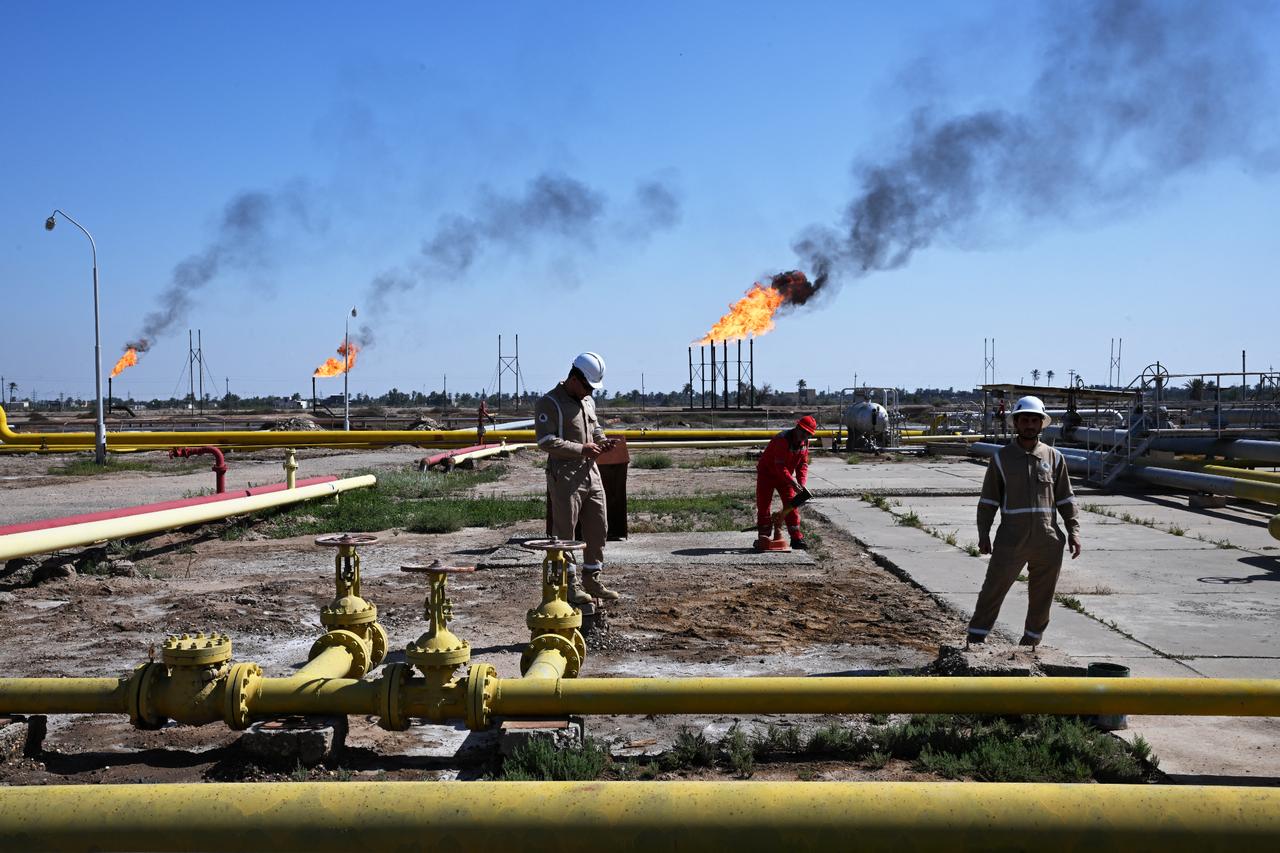
Iraq Targets 10 Million Barrels Daily Amid Investment Push
At a Glance
- Prime Minister Ali Faleh al-Zaidi says Iraq currently produces around 4.5 million barrels of crude oil per day.
- Baghdad is targeting an expansion of oil production capacity to 10 million barrels per day over the coming years.
- Iraq is seeking foreign investment and has engaged major U.S., Chinese, British and French companies in expanding its energy sector.
- The push comes as Baghdad seeks greater production capacity while navigating OPEC+ production limits and disruptions to oil exports through the Strait of Hormuz.
Iraq is stepping up efforts to expand its oil sector, with Prime Minister Ali Faleh Al-Zaidi saying the country currently produces around 4.5 million barrels per day and is targeting production capacity of up to 10 million barrels per day.
The government is seeking greater participation from international energy companies and financial institutions as Baghdad works to expand production, infrastructure and export capacity.
Key Statements
“Iraq is entering a new economic phase, producing 4.5 million barrels of oil per day.”
— Iraqi Prime Minister Ali Faleh Al-Zaidi
“The government’s policy is directed toward increasing oil production to 10 million barrels per day.”
— Ali Faleh Al-Zaidi
“Iraq is open to American and international companies and banks.”
— Ali Faleh Al-Zaidi
Foreign Investment Push
During meetings with U.S. financial institutions, Al-Zaidi said Iraq is entering a new phase of economic development and called on American banks to expand their presence in the Iraqi market.
The government has also been promoting investment opportunities with major international companies. During a recent visit to France, Al-Zaidi told representatives of major French companies that Iraq plans to raise crude production capacity from approximately 4.8 million barrels per day to 10 million barrels.
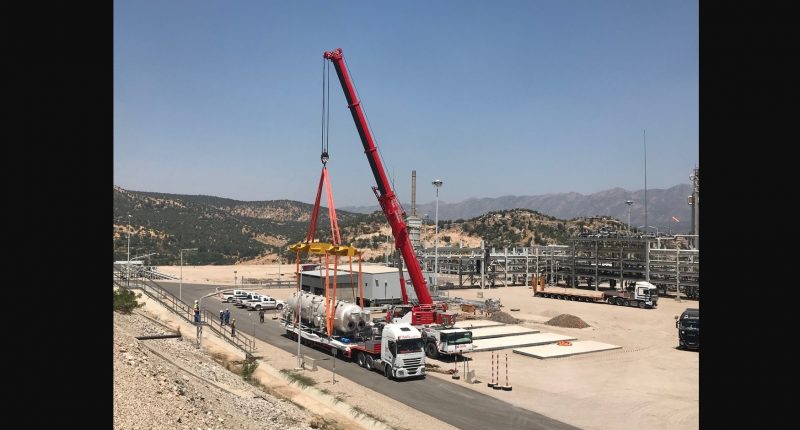
The strategy includes investment in oil fields, associated-gas projects, infrastructure and alternative export routes.
OPEC And Production Targets
Iraq remains a member of OPEC+ and has repeatedly sought a larger production allocation in line with its reserves and production potential.
Al-Zaidi previously called for a greater share within OPEC, describing it as Iraq's right as one of the organization's founding members. Earlier reporting also indicated that Iraq was targeting around 7 million barrels per day within three years, before the government later articulated the longer-term 10-million-barrel capacity goal.
The expansion comes as Iraq faces the challenge of balancing its production ambitions with OPEC+ supply-management policies.
Export Challenges
Iraq's production ambitions are also being pursued amid disruptions to crude exports caused by the regional conflict and restrictions affecting shipping through the Strait of Hormuz.
Iraq has responded by increasing reliance on alternative export routes, including the northern route through Turkey, while also exploring additional pipeline options. The Oil Ministry said September exports were averaging around 2.6 million barrels per day, significantly below the country's production capacity.
Oil Dependence
Oil remains central to Iraq's public finances. According to World Bank figures cited in recent reporting, oil export revenues accounted for approximately 88% of Iraq's government revenue in 2025.
That dependence makes expanding production and securing reliable export routes important to Baghdad's fiscal position, while also highlighting the economic risks of continued reliance on hydrocarbons.
FYI
Iraq's push toward 10 million barrels per day represents an ambitious expansion of its hydrocarbon capacity, but achieving the target would require substantial investment in fields, pipelines, storage, export infrastructure and associated-gas processing.
The immediate challenge is not only production capacity. Iraq must also secure sufficient export routes and navigate OPEC+ production arrangements. With oil revenues accounting for the overwhelming majority of government income, Baghdad's ability to expand production while maintaining stable access to international markets remains closely tied to its broader economic strategy.
Dive Deeper: Handpicked Stories for You
Follow Channel8 for continuous updates:
Saudi Arabia Halts Critical Oil Pipeline After Drone Attacks Launched from Iraq