Iraq Plans One Million Bpd Oil Exports Via Turkey and Syria
At a Glance
- Iraq plans to export up to one million barrels of oil per day through Syria and Turkey’s port.
- Iraq currently produces about 4.2 million barrels per day and exports around 3 million.
- Baghdad has reportedly asked OPEC to raise its future production quota.
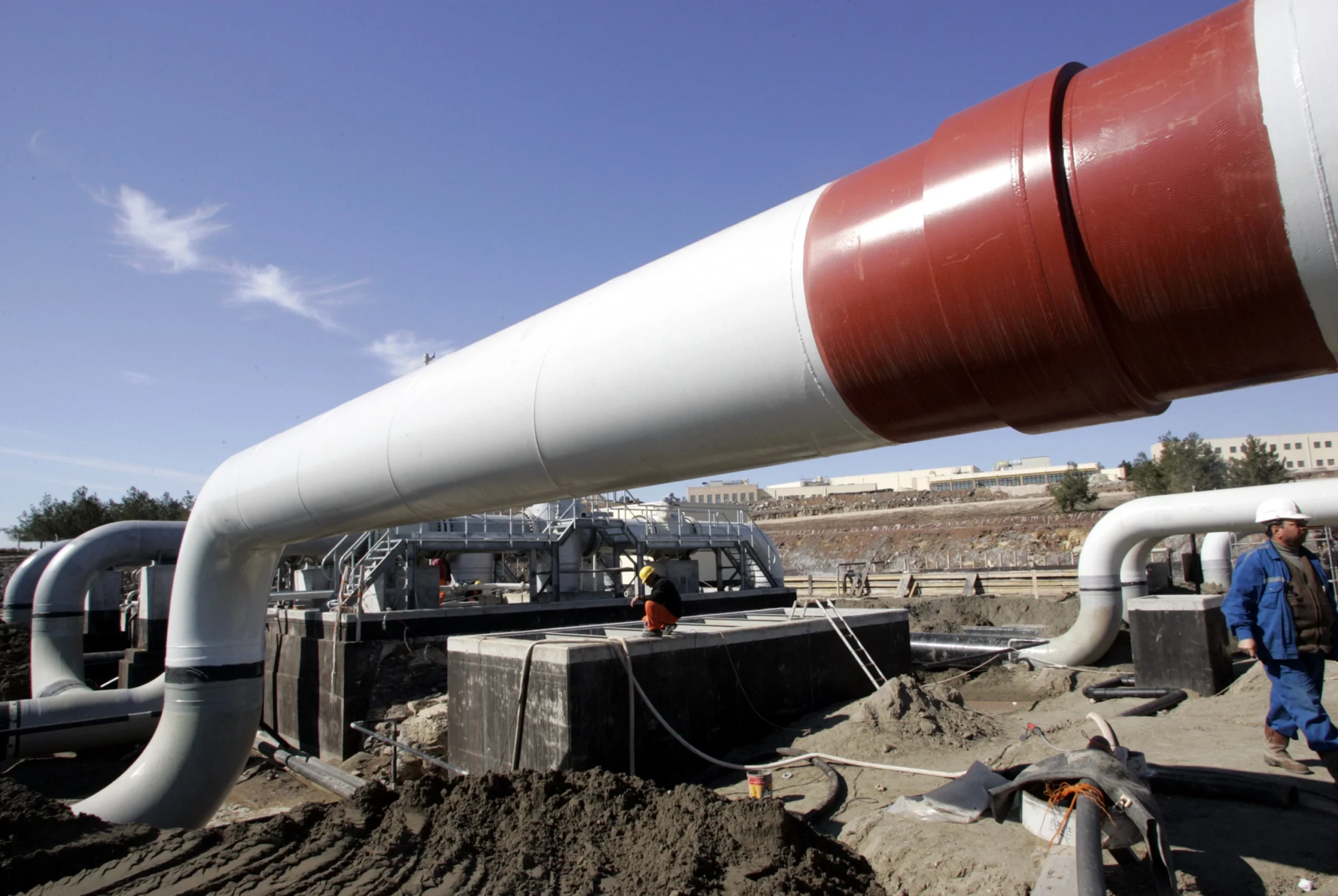
Iraq is moving to diversify its oil export routes amid disruptions affecting shipments through the Strait of Hormuz. The Ministry of Oil says it plans to expand exports through Syria and Turkey’s Ceyhan port.
Key Statements and Focus Area
- Export Route Expansion: Iraq plans to increase its pipeline export capacity through Syrian territory and the Turkish Port of Ceyhan to one million barrels per day. — Iraqi Ministry of Oil.
- Current Production: Iraq’s current oil production level does not exceed 4 million and 200 thousand barrels per day. — Bassem Mohammed, Iraqi Minister of Oil.
- OPEC Quota: Iraq has requested the OPEC leadership to raise its future production quota to 6 million barrels per day. — Bloomberg data cited by the Iraqi Ministry of Oil.
The move follows disruptions to oil shipments through the Strait of Hormuz, which have affected Iraq’s ability to export crude at normal levels.
Iraq’s exports through the strait reportedly fell to around two million barrels last month and were allowed to pass under a special Iranian waiver. The restrictions have also forced Baghdad to sell some of its oil at significant discounts.
The disruption has increased pressure on Iraq to reduce its reliance on routes exposed to instability around the strait and to find alternative channels for crude exports.
According to Bloomberg data, Iraq has also asked OPEC to raise its future production quota to six million barrels per day.
Iraqi Prime Minister Ali Faleh al-Zaidi has separately outlined a longer-term goal of increasing national oil production to between eight and 10 million barrels per day over the next six years.
FYI
Iraq's intense push to diversify its oil export routes stems directly from a major regional energy crisis following the closure of the Strait of Hormuz earlier this year.
Historically, nearly four-fifths of Iraq's 3.5 million barrels per day (bpd) in crude exports relied strictly on tankers passing through the Persian Gulf and the Strait of Hormuz chokepoint. The outbreak of military conflict in the Gulf region effectively blocked Iraq's southern seaborne access, causing massive revenue drops and forcing Baghdad to route limited oil volumes through expensive overland tanker trucks traveling across the Syrian desert to the Mediterranean port of Baniyas.
To secure a permanent logistical exit strategy, Prime Minister Ali Faleh al-Zeidi ordered the rapid rehabilitation of alternative corridors. This includes an ongoing initiative with Damascus to construct an entirely new integrated crude oil pipeline to Baniyas, alongside a newly finalized, one-year agreement with Ankara to scale up direct crude flows to 750,000 bpd via the Kirkuk–Ceyhan Oil Pipeline.
By targeting an aggregate northern export capacity of 1 million bpd through Turkey and Syria, Iraq aims to reclaim its production targets while establishing long-term independence from turbulent Gulf shipping routes.
Dive Deeper: Handpicked Stories for You
Follow Channel8 for continuous updates:
10/09/2026