Iraq’s Four Presidencies To Discuss Post-US Withdrawal Security
At a Glance
- Iraq's top state leaders are scheduled to meet in Baghdad to discuss key political and security issues.
- The meeting is expected to address the September 30 end of the U.S.-led coalition's military mission in Iraq.
- Leaders will also discuss efforts to complete the government cabinet and improve coordination among state institutions.
- The issue of confining weapons to state control and continued dialogue with armed groups is expected to feature prominently.
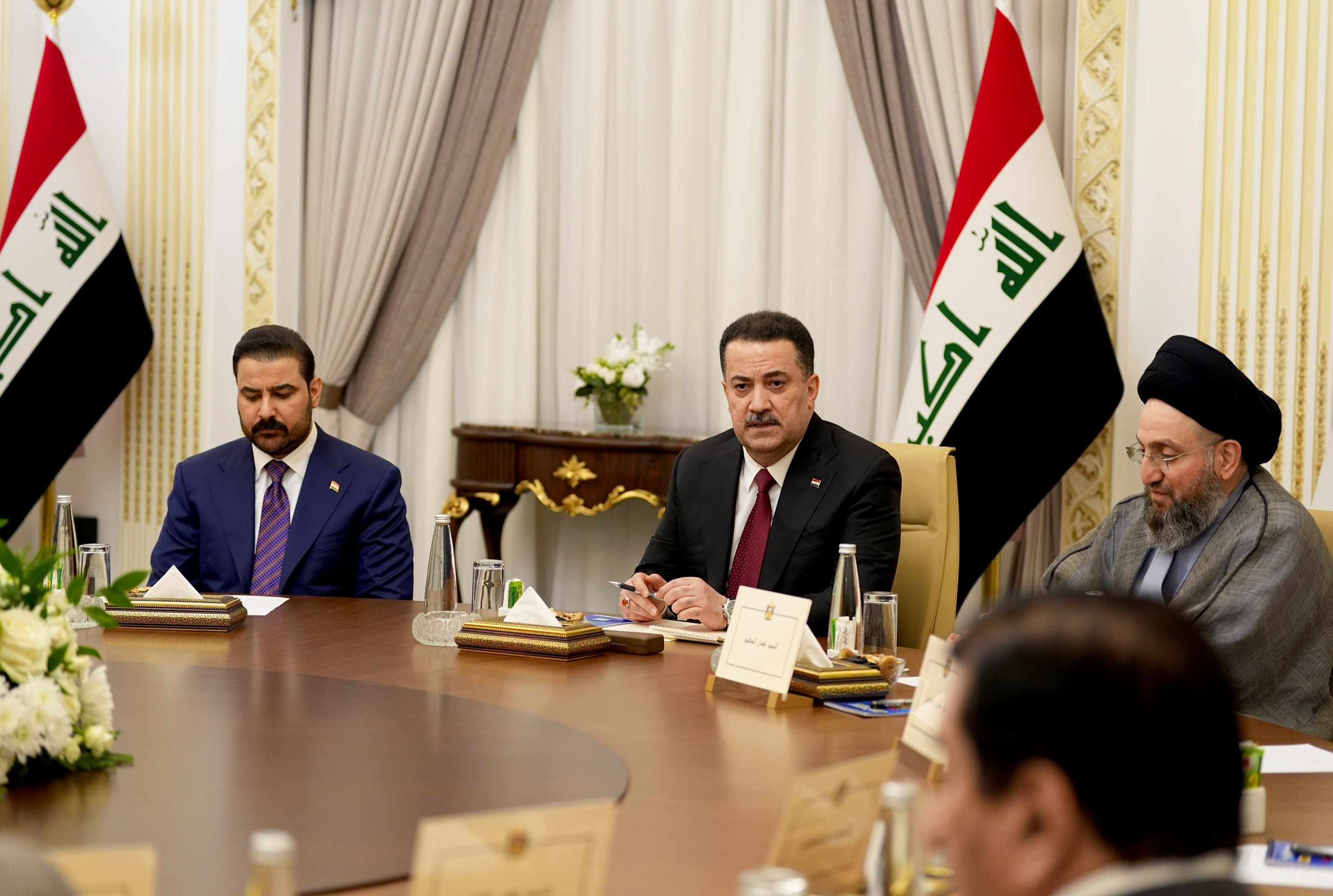
Iraq's top state leaders are set to hold a high-level meeting at the Presidential Palace to discuss a range of political and security issues, including the scheduled end of the international coalition's military mission on September 30 and efforts to bring weapons under state control.
The meeting is also expected to address the completion of the government cabinet and coordination among Iraq's executive, legislative and judicial institutions.
Key Statements
According to a source at the Iraqi Presidency who spoke to Channel 8, the meeting is scheduled for 5:00 p.m. Monday at the Presidential Palace in Baghdad.
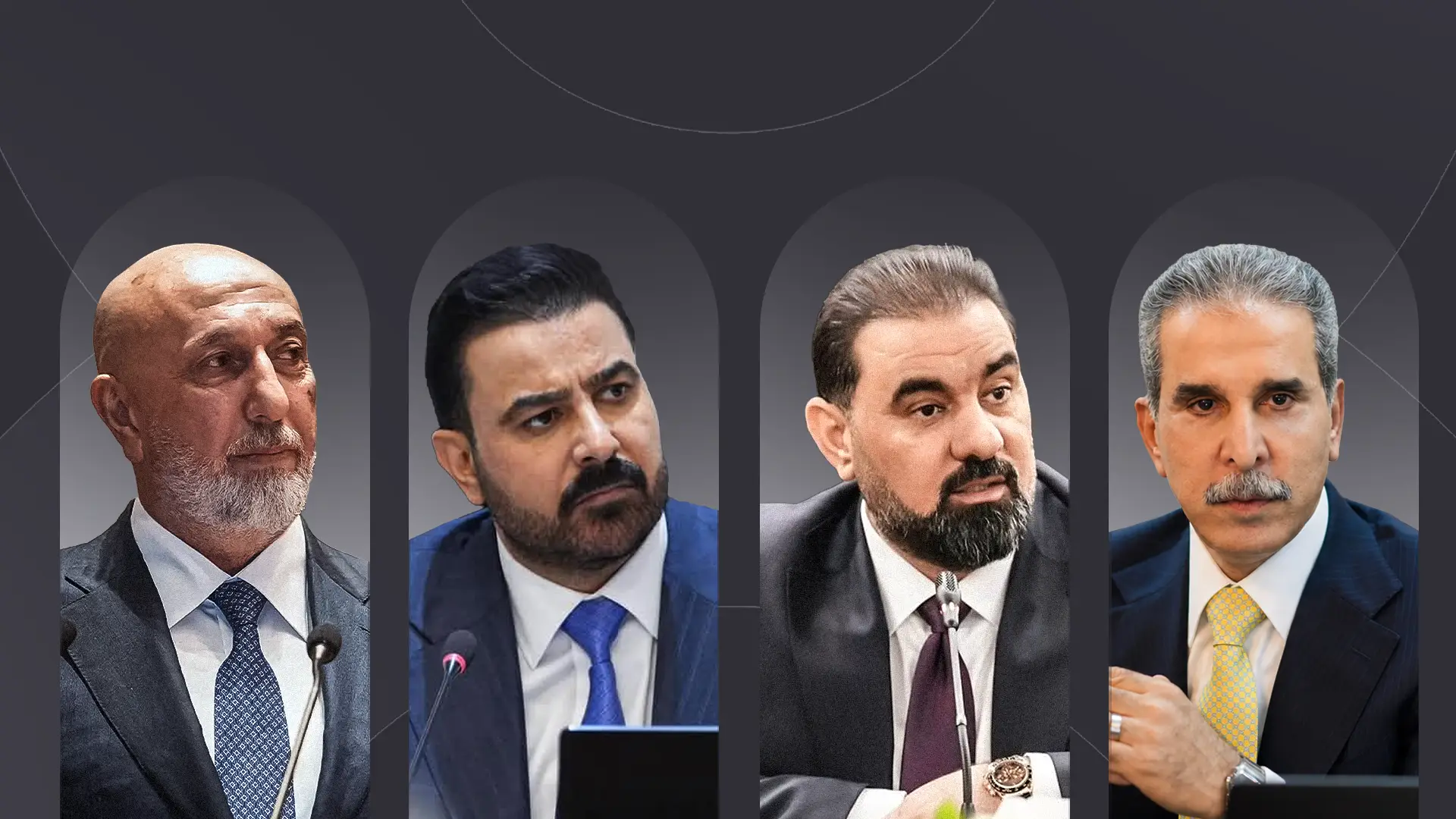
The four officials expected to attend are:
- Nizar Amedi, President of Iraq
- Ali Faleh Al-Zaidi, Prime Minister
- Haibat Al-Halbousi, Speaker of Parliament
- Faiq Zaidan, President of the Supreme Judicial Council
U.S.-Led Coalition Withdrawal
The September 30 deadline for ending the international coalition's military mission remains a central issue. Iraqi officials have repeatedly described the date as the conclusion of the coalition's military mission, with Baghdad seeking to transition toward bilateral security, economic and development cooperation with the United States.
President Nizar Amedi has also said the international coalition came to Iraq at Baghdad's request to fight ISIS and that its withdrawal is scheduled for September 30.
Weapons Under State Control
The meeting comes amid continued efforts to bring weapons held by armed groups under the authority of the Iraqi state.
The issue has been repeatedly raised by Iraq's senior political leadership. In August, the three presidencies stressed the principle that weapons should be restricted to the state, particularly as the international coalition began withdrawing.
However, the timetable for implementation remains under discussion. Prime Minister Al-Zaidi recently outlined a longer process for completing the transfer of weapons to state control, while his security adviser Qasim Al-Araji said September 30 applies to the coalition withdrawal rather than constituting a final deadline for militia disarmament.
Government Formation
The four leaders are also expected to discuss completing the government's cabinet and reaching agreements over vacant ministerial positions.
The issue comes as Baghdad continues efforts to strengthen coordination among the executive, legislative and judicial branches and improve the functioning of state institutions.
Iraq's top state leadership is preparing to meet in Baghdad for discussions expected to focus on some of the country's most consequential political and security files.
A source at the Iraqi Presidency told Channel 8 that President Nizar Amedi, Prime Minister Ali Faleh Al-Zaidi, Parliament Speaker Haibat Al-Halbousi and Supreme Judicial Council President Faiq Zaidan will attend the meeting at the Presidential Palace.
According to the source, the meeting will address the completion of the government cabinet, including vacant ministerial positions, as well as coordination among the country's executive, legislative and judicial institutions.
Security issues will also feature prominently, particularly the next phase following the scheduled end of the international coalition's military mission on September 30.
Iraq and the United States have agreed on September 30 as the date for completing the coalition's military mission and the withdrawal of its forces. Baghdad has said relations with Washington will subsequently shift toward broader economic, development and security cooperation.
The question of weapons outside direct state control is closely linked to that transition.
Iraqi authorities have been holding talks with armed factions over arrangements for bringing their weapons under state authority. While earlier government statements linked the process to September 30, more recent statements indicate that the withdrawal date and the timetable for completing the disarmament process are not necessarily identical.
Prime Minister Al-Zaidi said in September that the government had developed a longer-term plan for completing the process by June 2027, while his security adviser said the September 30 date specifically concerns the coalition's departure.
The issue has also been discussed in the context of preventing Iraqi territory from being used to launch attacks against neighboring countries or foreign interests.
Against that backdrop, the meeting of Iraq's senior state leaders could provide an opportunity to coordinate positions on the post-coalition security environment, the status of armed groups and the government's broader efforts to reinforce state authority.
Data Table
| Issue | Details |
|---|---|
| Meeting | High-level meeting of Iraq's top state leadership |
| Location | Presidential Palace, Baghdad |
| Scheduled time | 5:00 p.m. |
| President | Nizar Amedi |
| Prime Minister | Ali Faleh Al-Zaidi |
| Parliament Speaker | Haibat Al-Halbousi |
| Judicial Council President | Faiq Zaidan |
| Coalition deadline | September 30, 2026 |
| Main security issue | Transition after coalition military mission ends |
| Weapons issue | Bringing weapons under state control |
| Government file | Completion of vacant ministerial positions |
| Institutional issue | Coordination among executive, legislative and judicial branches |
FYI
The meeting comes at a sensitive point in Iraq's security transition. September 30 marks the scheduled end of the international coalition's military mission, but it does not by itself resolve the separate and more complicated question of weapons held by non-state armed groups. Iraqi officials have emphasized state control over weapons as a matter of sovereignty, while negotiations with armed factions continue over the mechanisms and timetable for implementation.
The distinction is important for the next phase of Iraq-U.S. relations. Baghdad has said the end of the coalition mission will be followed by a shift toward bilateral economic, development and security cooperation, while the government faces the parallel challenge of preventing Iraqi territory from being drawn into regional conflicts and strengthening the authority of state institutions.
Dive Deeper: Handpicked Stories for You
Follow Channel8 for continuous updates:
Iraq Counter-Terrorism Forces Kill Two ISIS Militants In Kirkuk Clash
Iraq’s Coordination Framework To Discuss Suspension Of Iranian Flights
Iraq Targets 10 Million Barrels Daily Amid Investment Push