Cuba’s Ballet Students Train Through Deepening Crisis
At a Glance
- Cuba’s worsening shortages are complicating daily life for aspiring ballet dancers.
- Young students continue rigorous training at Havana’s National Ballet School.
- Teachers and students say the crisis is creating new challenges for the next generation.
- Ballet remains a major source of cultural pride across the island.
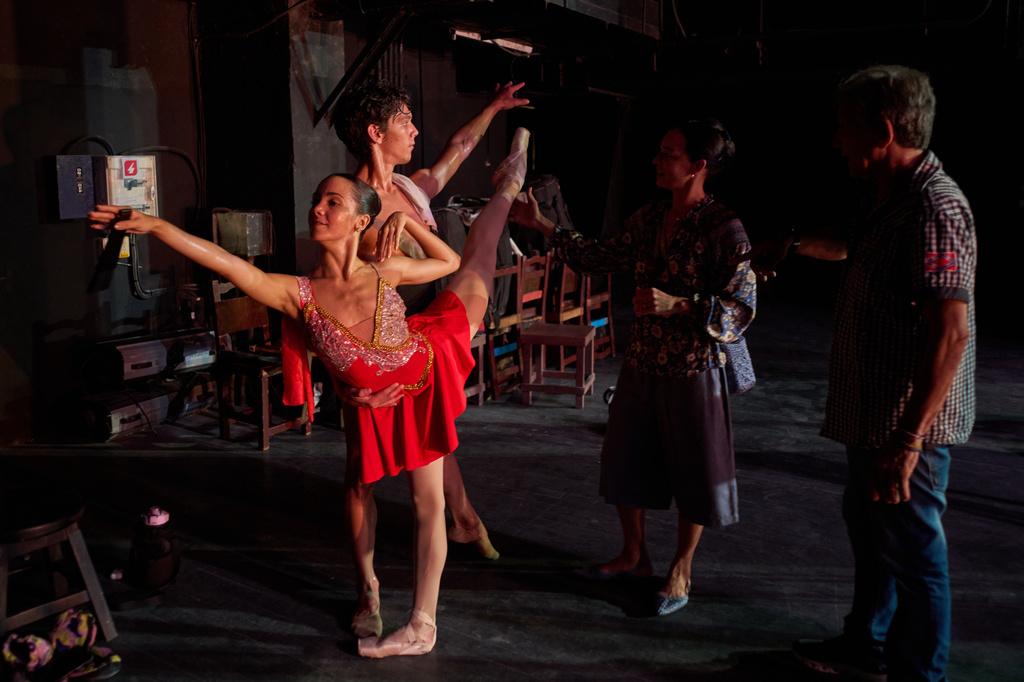
As Cuba faces prolonged power cuts, water shortages, and scarce transportation, young ballet dancers in Havana continue their demanding daily training.
Key Statements and Focus Area
- Commitment to Training: “Sometimes I tell my mom I don’t feel like going, but missing it could cause problems for me later in training.” — 14-year-old ballet student Roxana Perez de La Mora.
- Pressure on Future Generations: “The entire situation we’re experiencing today could affect a generation of students training in ballet, dance, music, the visual arts.” — National Ballet School director Dani Hernandez.
- Focus Area: Cuba’s economic and energy crisis is testing how aspiring dancers and professional performers maintain demanding training and performance routines.
About 178 students attend classes each morning at Havana’s National Ballet School, located in an Art Nouveau building in Old Havana. Alongside intensive dance instruction, students study mathematics, Spanish, history, and science.
Classical ballet has maintained a prominent place in Cuban cultural life despite the island’s broader economic difficulties. The country has produced internationally recognized dancers and choreographers, with Cuban performers later joining major companies, including the Paris Opera Ballet, the Royal Ballet in London, and the American Ballet Theatre.
The Cuban National Ballet was founded in the 1940s by ballerina Alicia Alonso and her husband, Fernando Alonso. Its performances remain accessible to Cuban audiences, with tickets costing less than $1.
At the company’s season-ending gala in August, Russian choreographer Azari Plisetski’s “Canto Vital,” set to music by Gustav Mahler, featured Hernández as the principal dancer. The performance at the National Theatre of Cuba drew a full audience despite severe fuel shortages that had left Havana’s streets unusually quiet. The audience gave the performers a standing ovation, calling out “Bravo!”
During recent blackouts, Hernandez said the heat and mosquitoes forced him to sleep on his apartment building’s terrace. His concerns extend beyond his own working conditions. Hernández said the pressures facing Cuba could affect students across the arts and other professions, including engineering, medicine, and education.
FYI
The Cuban National Ballet has played a central role in developing the country’s classical dance tradition, with its graduates contributing to major international companies. The school’s combination of academic education and professional ballet training continues that pipeline for younger dancers.
Ballet also occupies an unusual place in Cuban public life. Performances remain relatively inexpensive for local audiences, helping preserve access to a cultural institution whose international reputation has endured through decades of economic and social challenges.
Dive Deeper: Handpicked Stories for You
Follow Channel8 for continuous updates:

.jpg)
.jpg)
.jpg)
.jpg)