Iraq Detains 31 Suspects in Massive Kirkuk Wheat Corruption Scheme
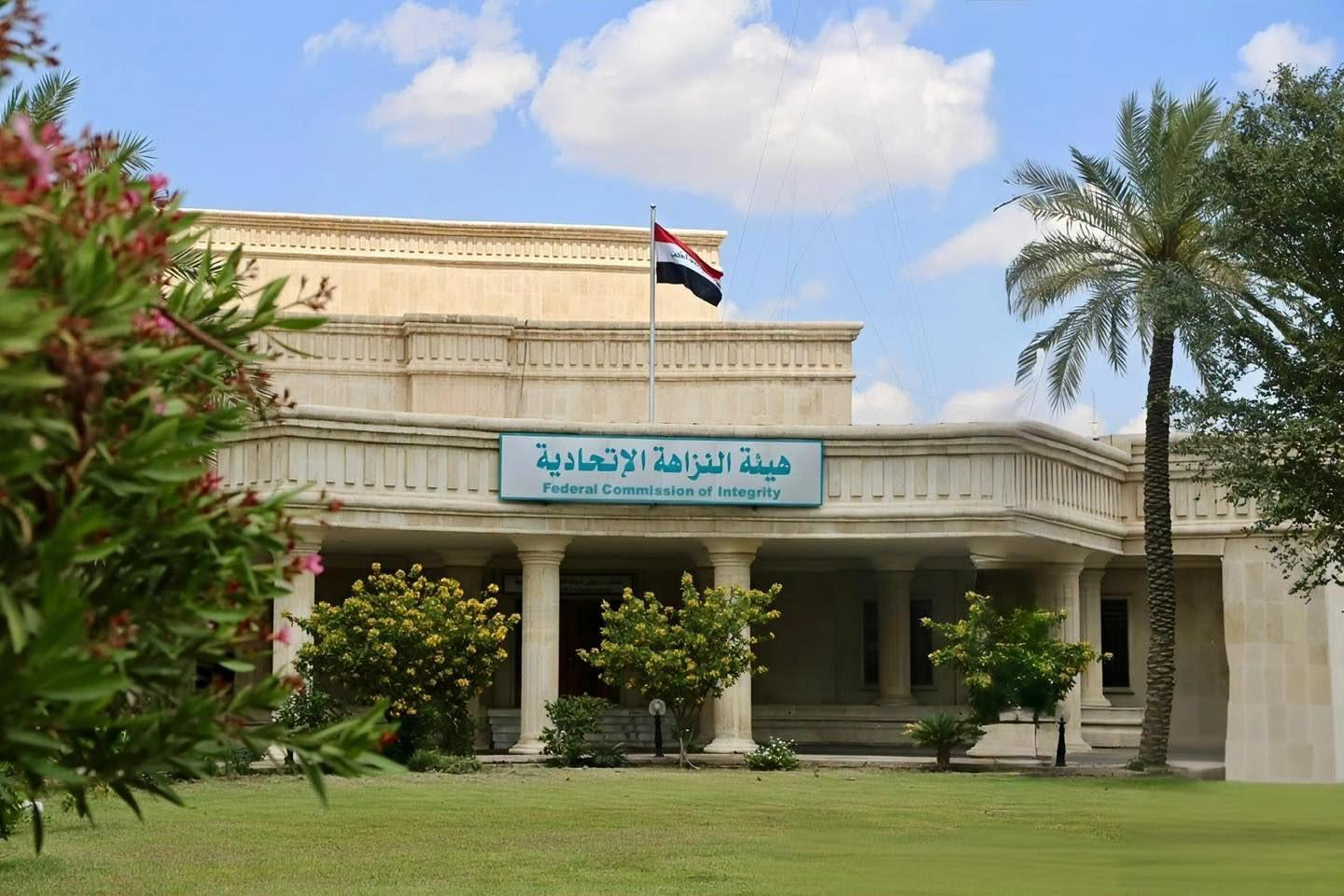
At a Glance
- The Integrity Commission uncovered the irregular marketing of thousands of tons of wheat within hours in Kirkuk.
- The wheat was illegally registered under three citizens' names, including a deceased individual without agricultural plans.
- A total of 31 suspects were implicated, including former company directors and agricultural bank staff.
- Ten suspects are currently in custody while authorities actively pursue the remaining individuals involved.
Iraq's Integrity Commission has detained 31 suspects, including former directors, over a major wheat marketing corruption scheme in Kirkuk.
Key Statements and Focus Area
- The Federal Integrity Commission announced “the detention, arrest, and issuance of judicial orders against 31 suspects at the Mesopotamia State Company in Kirkuk Governorate, over corruption cases and violations involving wheat marketing operations.”
- According to the Commission, audit teams from the Kirkuk Investigation Office “uncovered the irregular marketing of thousands of tons of wheat within just a few hours at the state company.”
The Integrity Commission stated on Tuesday that the investigation revealed massive quantities of wheat were irregularly registered and marketed under the names of three citizens, including one who is deceased, despite none of them possessing an official agricultural plan.
The investigation established the culpability of 31 Mesopotamia Company employees, including former directors, for their roles in authorizing payments for the irregularly marketed wheat.
Staff members from the provincial Agricultural Cooperative Bank were also implicated in the corruption scheme.
Arrest warrants have already been executed against 10 suspects who are currently held in custody. Authorities are actively pursuing the execution of the remaining orders against the other individuals involved.
FYI
The Iraqi government runs a state-subsidized grain procurement program that buys wheat from local farmers at preferential rates, which are significantly higher than global market prices.
To qualify for these payouts, farmers must possess official state-issued agricultural plans validating their cultivation quotas. Corrupt networks routinely exploit this loophole by using forged or unauthorized plans to pass off commercially traded or low-grade wheat as domestic harvest.
By bribing silo officials and colluding with agricultural bank staff, these actors bypass slow testing procedures to quickly push through fraudulent paperwork and launder millions in public funds.
This operation follows an intensified anti-corruption campaign across Iraq. The Integrity Commission has removed internal "red lines," executing high-profile crackdowns on state infrastructure, property fraud networks, and grain supply chains to claw back billions in stolen public funds.
Dive Deeper: Handpicked Stories for You
Follow Channel8 for continuous updates:
Anbar Official Caught Red-Handed in 3M Dinar Bribe Sting
Iraq Interior Ministry Dismantles Drug Networks, Reports Plunging Crimes
Iraq’s Integrity Commission Sentences MP Aliah Nassif to Seven Years
1 hour ago