Elham Ahmed Says Kurdish Demands in Syria Remain Clear
At a Glance
- Elham Ahmed says progress has been made toward an agreement between the SDF and Damascus.
- Several issues remain unresolved, including Kurdish rights and political representation.
- She calls for Kurdish-language education and meaningful participation for women in Syria.
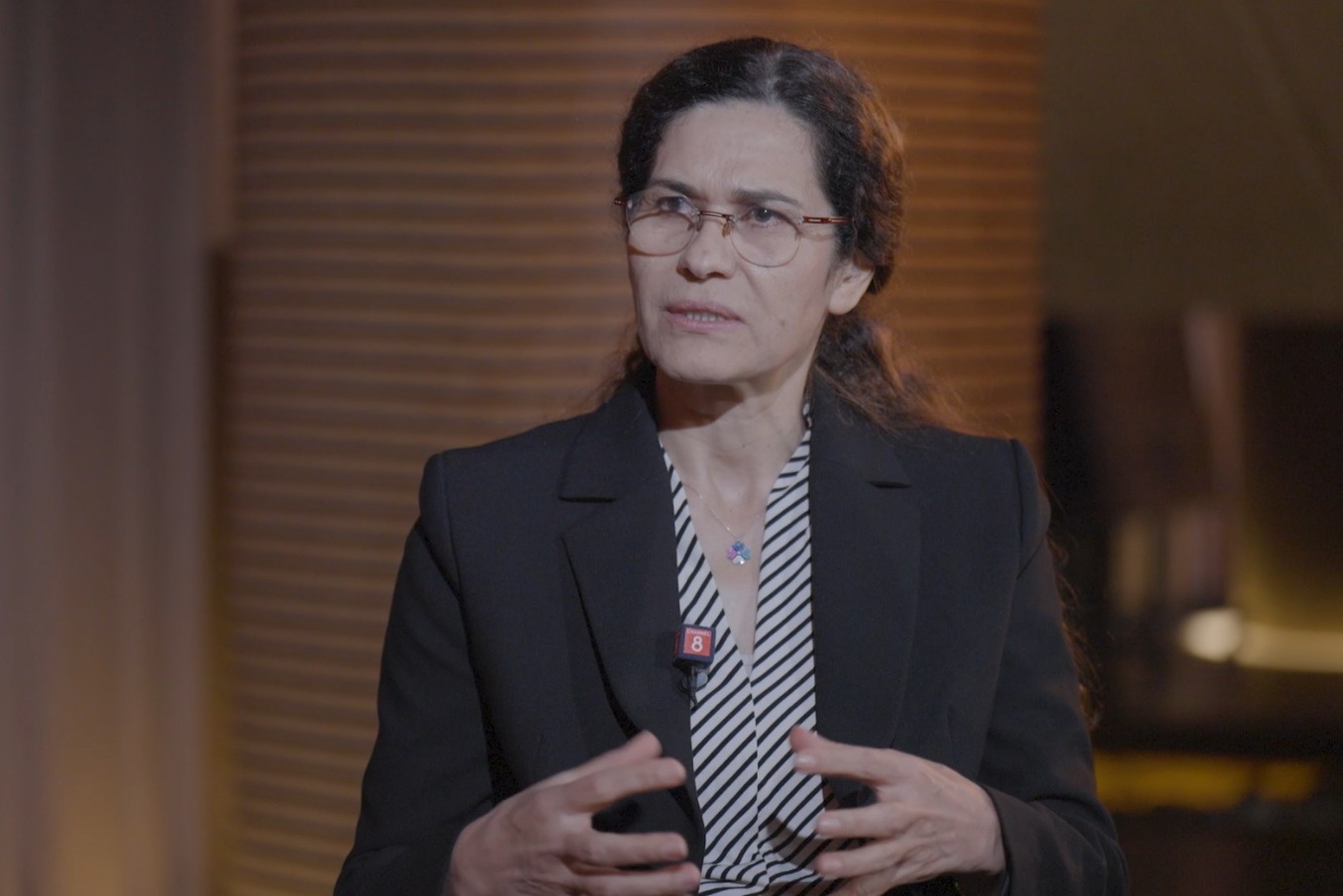
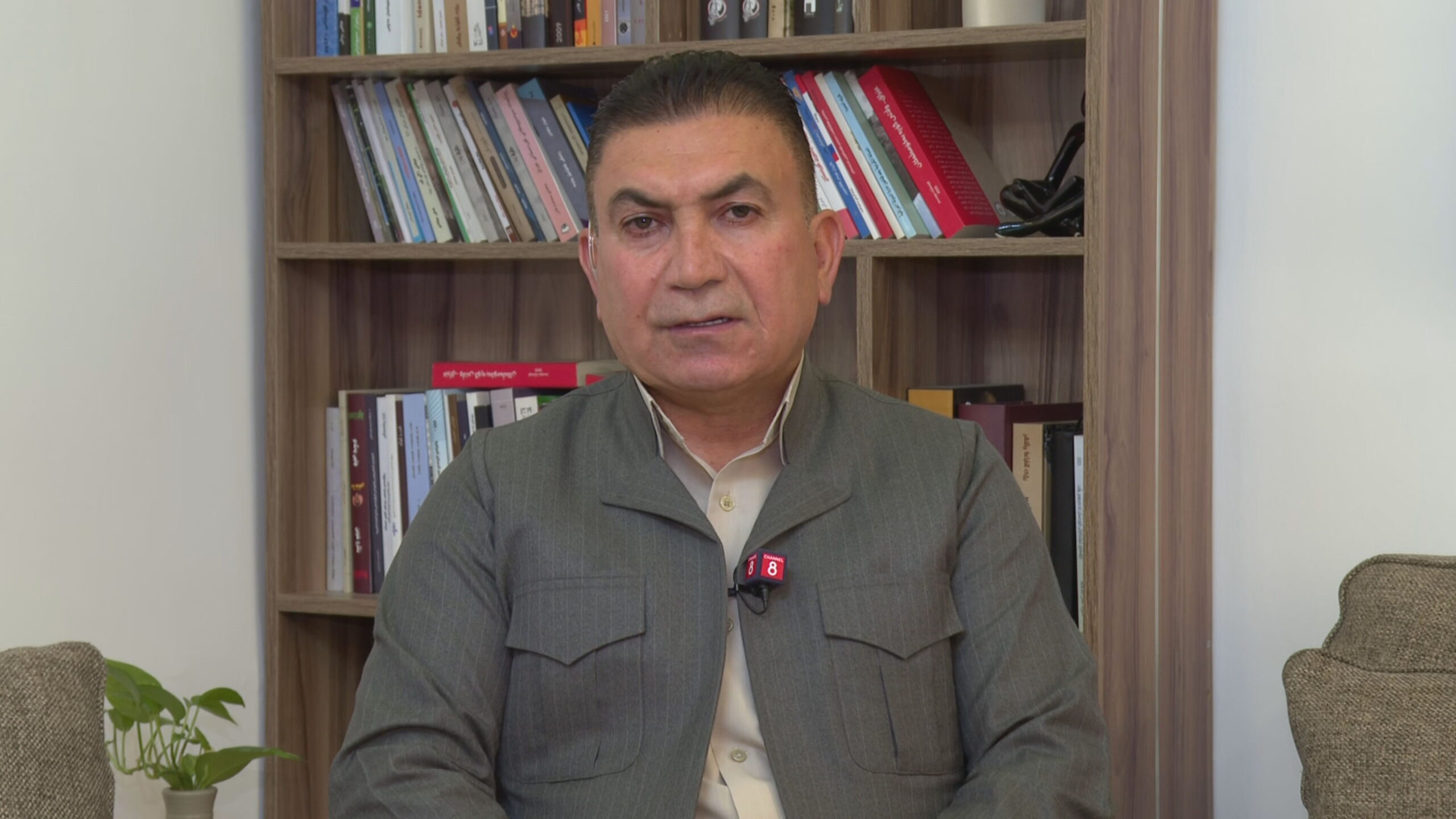
Elham Ahmed, Member of the Foreign Relations Committee of the People’s Assembly of Syria, told Channel8 that Kurdish demands in Syria remain clear, including constitutional recognition of Kurdish-language education, political representation, and a decentralized system of governance, as talks between the Syrian Democratic Forces (SDF) and Damascus continue.
Key Statements and Focus Area
- Governance: “For years, the Kurds have called for a democratic, pluralistic, and decentralized state.” — Elham Ahmed
- Kurdish Rights: "Kurdish-language education and political representation are non-negotiable issues." — Elham Ahmed
- Focus Area: Outstanding issues between the SDF and Damascus, including governance, education, and women’s participation.
Progress in Talks With Damascus
Ahmed said significant steps had been taken toward reaching an agreement between the SDF and the Syrian government, but several issues remained unresolved.
She said local authorities must have meaningful powers under a decentralized system, reflecting longstanding Kurdish calls for a more inclusive political structure.
Kurdish Language and Political Representation
Ahmed said Kurdish-language education was already part of some school curricula but argued that the right to learn in Kurdish must be enshrined in Syria’s new constitution.
She also identified Kurdish political representation as a red line, saying the issue must be addressed as part of any wider agreement on Syria’s future.
YPJ and Women’s Participation
Ahmed said the issue of the Women’s Protection Units (YPJ) had been resolved, with their forces expected to form specialized units within the Syrian armed forces.
She also criticized what she described as the largely symbolic role of women in Syria’s political system, arguing that women continue to lack meaningful participation in decision-making.
MERI Forum Meetings
Ahmed and adviser to the Syrian presidency Mazloum Abdi are in Erbil to attend the annual MERI Forum, where discussions include relations with Damascus and the implementation of agreements between the sides. Abdi is scheduled to speak on the forum’s second day.
FYI
The Syrian Democratic Forces have been a central security and political actor in northeastern Syria, an area commonly referred to as Rojava by Kurdish-led authorities and communities. Negotiations with Damascus have included questions of military integration, local governance, and the rights of Syria’s diverse ethnic and religious communities.
Dive Deeper: Handpicked Stories for You
Follow Channel8 for continuous updates:
Elham Ahmed: Syrian Integration Successful but Challenges for Women Remain
.jpg)
.webp)