Taiz Water Crisis Deepens as Yemen Conflict Escalates
At a Glance
More than one million residents in Taiz face worsening water shortages.
Water deliveries have declined as Houthi forces tighten control around the city.
Rising food and fuel prices are adding to the humanitarian crisis.
Aid groups warn that limited access to clean water increases the risk of disease.
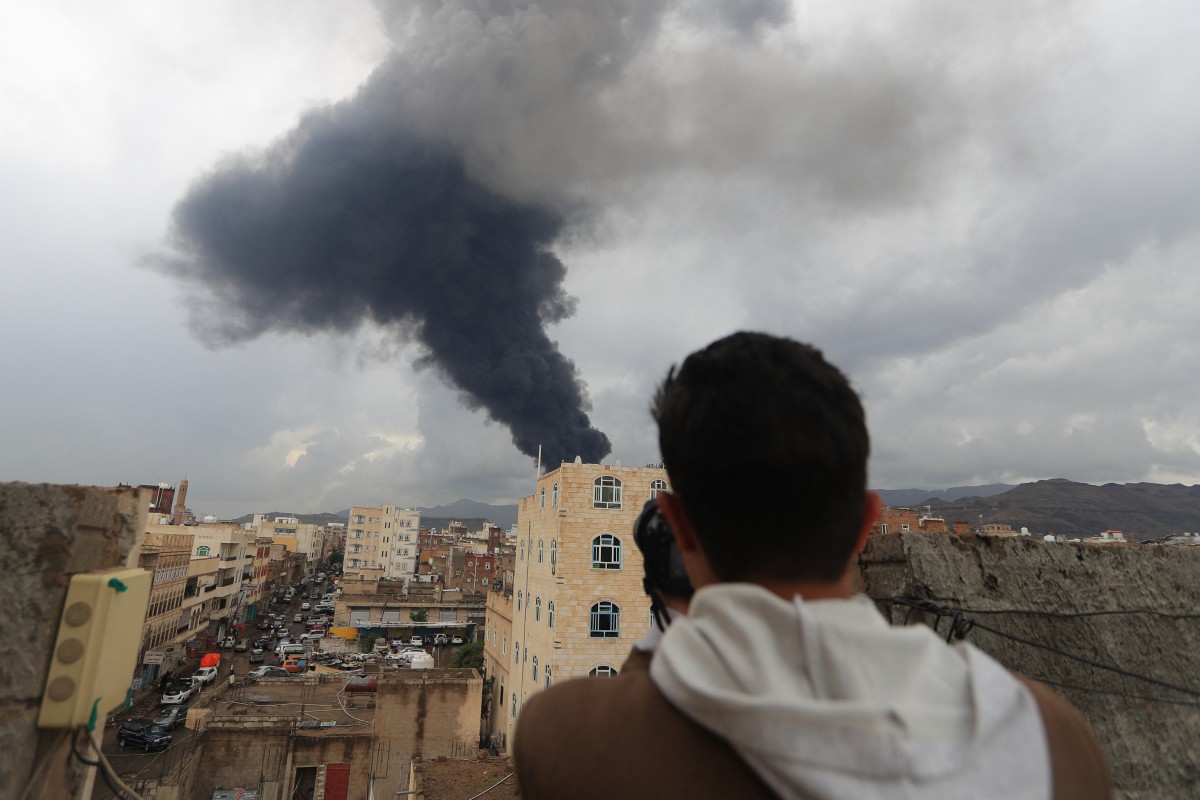
Water shortages in Yemen’s third-largest city, Taiz, have reached crisis levels as fighting and restrictions on access routes disrupt supplies, leaving more than one million residents struggling to obtain enough water for drinking and cooking.
Key Statements and Focus Area
Humanitarian Warning: “Any Houthi attempt to seize parts of the city, let alone take it entirely, would likely require a prolonged and costly battle, with significant casualties among Houthi fighters,” — Ahmed Nagi, a senior analyst at the International Crisis Group.
Public Health Risks: “Without fuel, water pumps, hospital generators, and solid-waste collection stop. With less clean water and waste piling up, the risk of disease, including cholera, rises.” — Jens Laerke, United Nations humanitarian aid spokesperson.
Focus Area: The siege is disrupting access to water, food, and fuel, increasing health risks and placing additional pressure on families already struggling to meet basic needs.
Residents are rationing their water as deliveries become more difficult and expensive. Hadil al-Shahid, a mother of two, said her family previously used around 10 liters of bottled water daily for drinking and cooking. They now make the same amount last about four days. “We stopped drinking coffee and tea, which we used to drink daily,” al-Shahid said.
Families are paying up to 75% more for bottled water than they did just weeks ago, while some are buying supplies on credit. Water delivery trucks face difficulties reaching the city, nearby wells have become less accessible, and fuel shortages are limiting the operations of water facilities.
The crisis has been building for years. Damage to Taiz’s aging water infrastructure, population growth, and recurring droughts have reduced available groundwater. Residents increasingly relied on water delivered by trucks, but that supply has declined as fighting intensifies around the city.
Food and fuel shortages are compounding the situation. Aid organizations report that flour and rice prices have risen by around 50% compared with the summer, while cooking gas prices have more than quadrupled. Some families have turned to burning wood, charcoal, or cardboard for cooking.
The shortages are also affecting essential services. Community kitchens have struggled to provide meals, and some waste collection services have stopped operating. Aid workers warn that limited access to clean water and accumulating waste could increase the spread of waterborne diseases, including cholera.
Taiz has also received an estimated 124,000 displaced people since August, according to United Nations migration experts, adding pressure to already limited supplies. Some displaced families are living in makeshift shelters and surviving on one meal a day.
Ahmed Abdel Gaber, who lives with nine family members in the remains of a damaged building, said his household increasingly depends on assistance and donations for food. “We heavily rely on assistance and donations from people to get food,” he said.
The conflict has also left residents exposed to continued violence. Earlier this week, Houthi-launched missiles struck a residential area in Taiz, killing two teenage girls, according to the report.
The internationally recognized Yemeni government retains control of the city center, while Houthi forces control surrounding areas and have restricted access to key roads and water sources. Analysts say capturing Taiz would be strategically important for the Houthis, but an attempt to take the city could lead to prolonged fighting and further civilian casualties.
Amnesty International has called on the Houthis to immediately open roads into the city, saying Taiz is being pushed to “the brink of a severe humanitarian disaster.”
FYI
Yemen’s civil war escalated in 2014 when Houthi forces seized the capital, Sanaa, and other parts of the north, forcing the internationally recognized government into exile. Taiz has remained a major frontline throughout the conflict.
The city’s water shortages reflect the combined effects of damaged infrastructure, limited fuel supplies, displacement, and restrictions on transport. Disruptions to water, sanitation, and healthcare can increase the risk of disease, particularly for children and displaced families.
Dive Deeper: Handpicked Stories for You
Follow Channel8 for continuous updates:
Report: Houthis Seek to Build Advanced Ballistic Missiles Using Chinese Components
GCC Ministers Demand Houthi Terror Designation and Iran Accountability