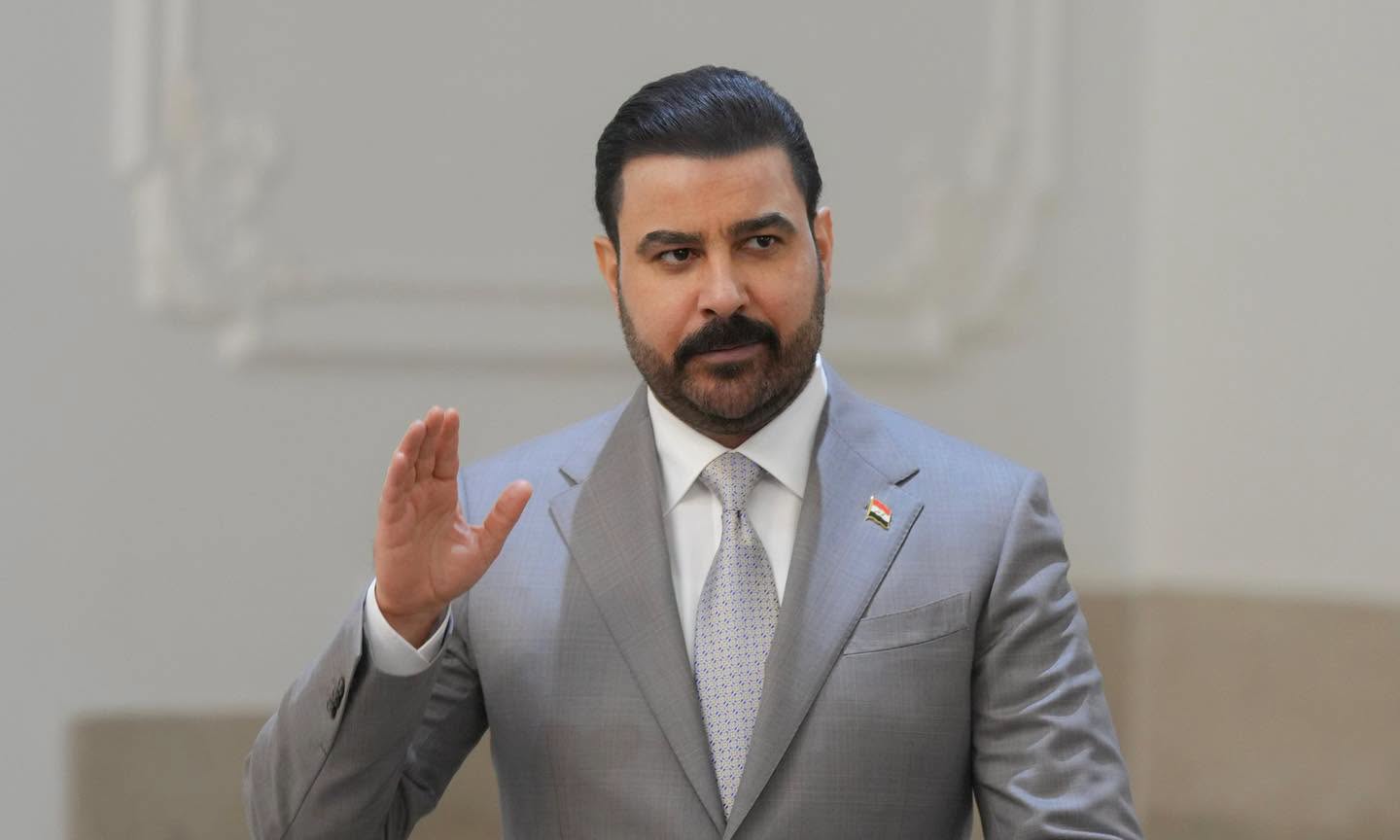
High-Level Kurdistan Region Negotiation Delegation Arrives in Baghdad to Tackle 2027 Budget Dispute
At a Glance
- A high-level delegation from the Kurdistan Region's caretaker government arrived in Baghdad to launch formal negotiations with federal authorities over the 2027 draft budget.
- According to PUK parliamentary bloc leader Harim Kamal Amin, discussions commence today at 2:00 PM, focusing heavily on securing Erbil's financial entitlements and resolving outstanding fiscal obligations.
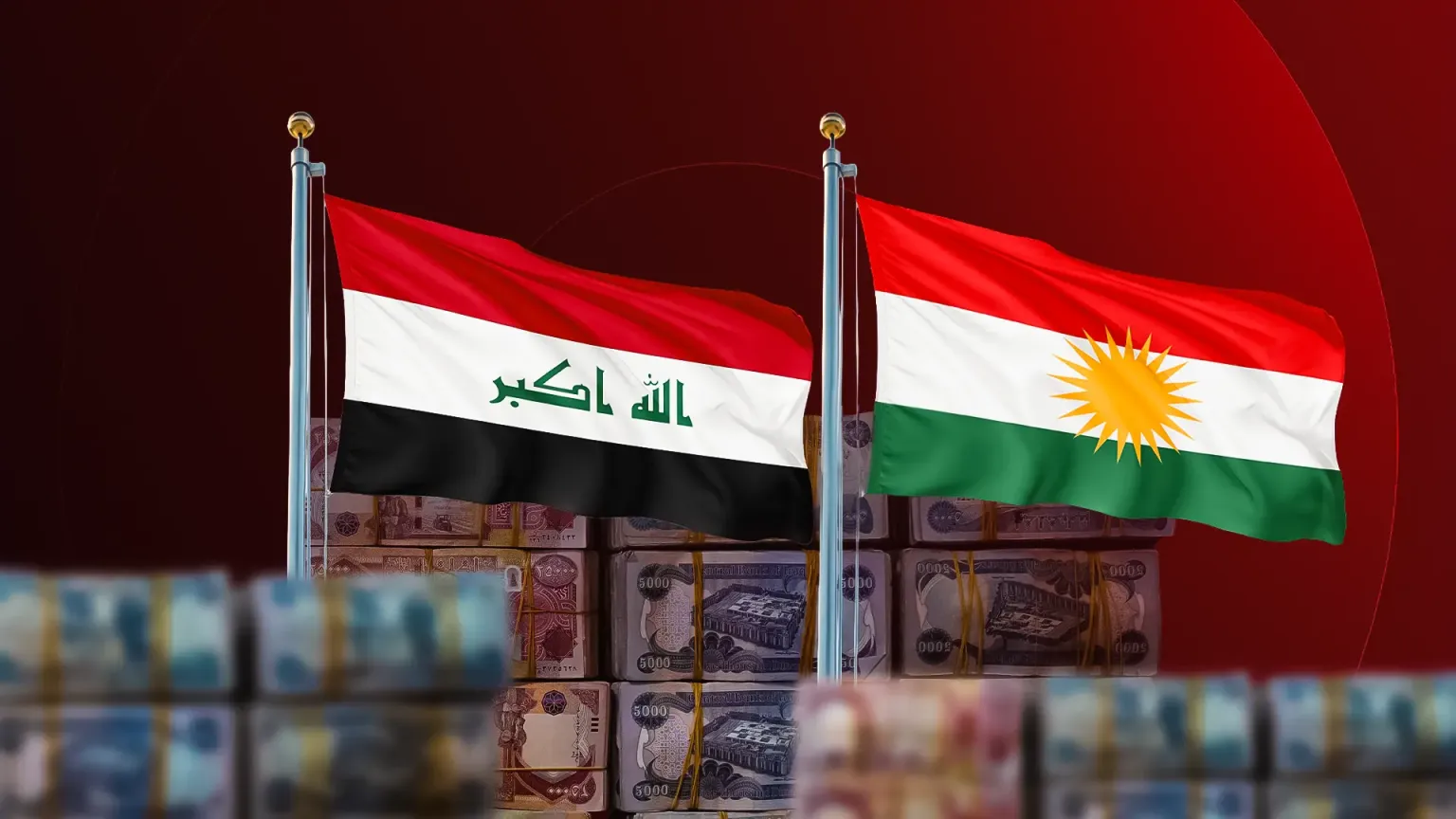
- Key sticking points include the region's budget share, pegged by Baghdad at 12.70% versus Erbil's census-based demand of 14.14%, alongside fierce disputes over oil export volumes and customs revenues.
- The regional delegation features key administrative leadership, though Acting Finance Minister Awat Sheikh Janab is notably absent following his submitted resignation.
A high-stakes political and economic mission is underway in the federal capital as Erbil and Baghdad delegations sit down to iron out deep divisions threatening the structural integrity of the upcoming 2027 federal budget.
Key Statements and Focus Area
- Formal Engagements: Working in close coordination with Kurdish representatives in federal institutions, the regional delegation scheduled its official meetings with the Iraqi Ministry of Finance to establish a fair and common understanding regarding mutual financial and oil commitments.
- Pre-Negotiation Stance: Ahead of the talks, the Kurdistan Region's Department of Media and Information issued a formal position paper urging that public sector salaries and core financial entitlements be completely detached from actual expenditure benchmarks (Al-Infaq Al-Fi'li) or restrictive legal clauses that could delay or reduce funding. They advocated for a clear, fixed mechanism to guarantee uninterrupted cash flows.
- Core Representation: The high-level technical and administrative team comprises Council of Ministers Chief of Staff Omed Sabah, Council Secretary Amanj Rahim, Coordination and Follow-up Department Head Abdulhakim Khosro, the Deputy Minister of Natural Resources, Directors General of Budget and Accounting from the Ministry of Finance and Economy, and a representative from the Ministry of Peshmerga Affairs.
The current round of negotiations confronts a complex web of unresolved disputes that have stalled consensus on the 2027 federal financial framework, which is projected to total between 200 and 240 trillion dinars.
Chief among these issues is the allocation standoff: while the Kurdistan Region demands roughly 29 trillion dinars, translating to a 14.14% budget share based on official population census data, federal draft proposals cap the regional share at 12.70%, arguing that demographic adjustments exclude non-resident categories.
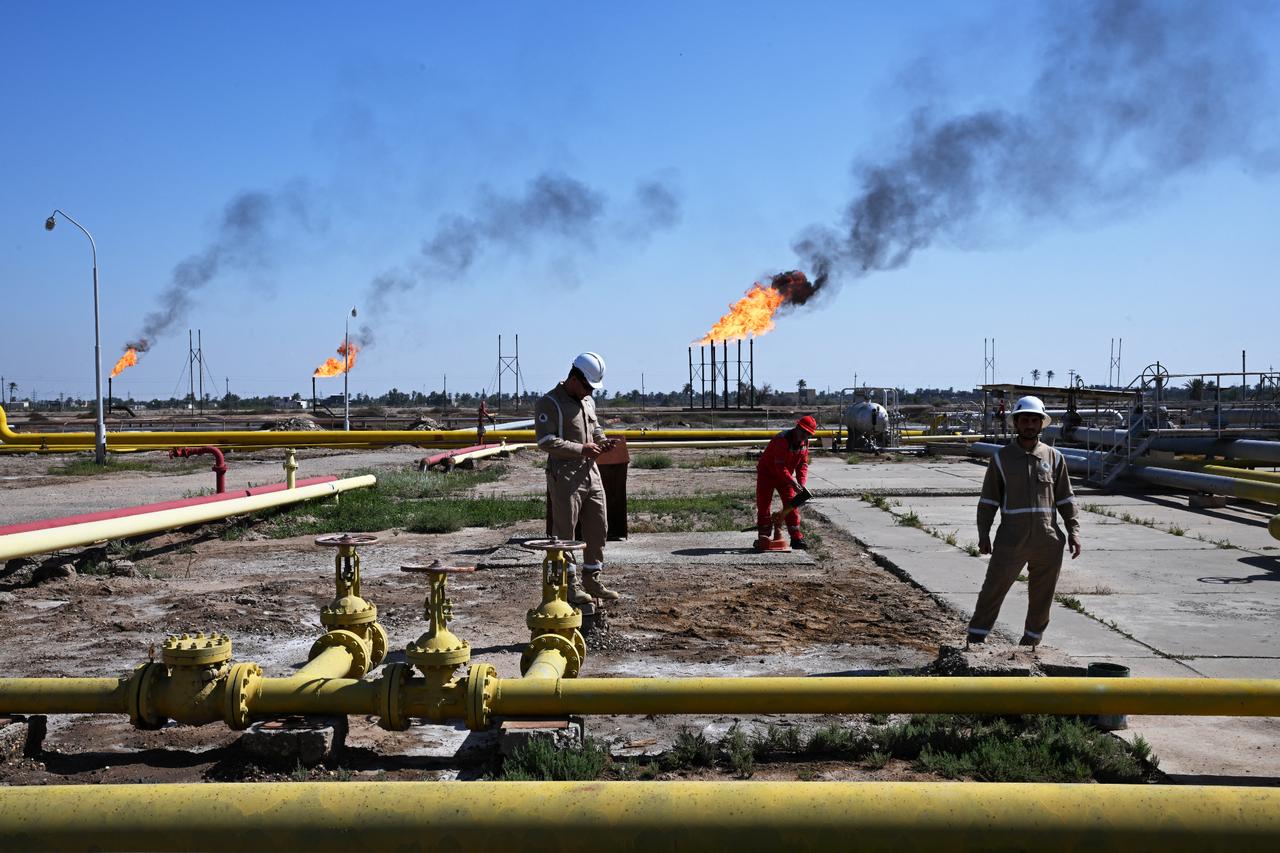
Parallel disagreements persist over energy and non-oil revenues. Baghdad demands that the region hand over 400,000 barrels of oil per day, a target Erbil rejects, proposing a threshold of 250,000 to 280,000 barrels based on operational capacities.
Furthermore, friction has escalated regarding customs and tax revenues; while federal authorities and the State Council classify border and tax collections as centralized sovereign funds, regional authorities contest this designation. As these delegations meet, the outcome will directly dictate public sector salaries, contract stabilization for teachers and employees, and broader administrative stability across the Kurdistan Region.
FYI
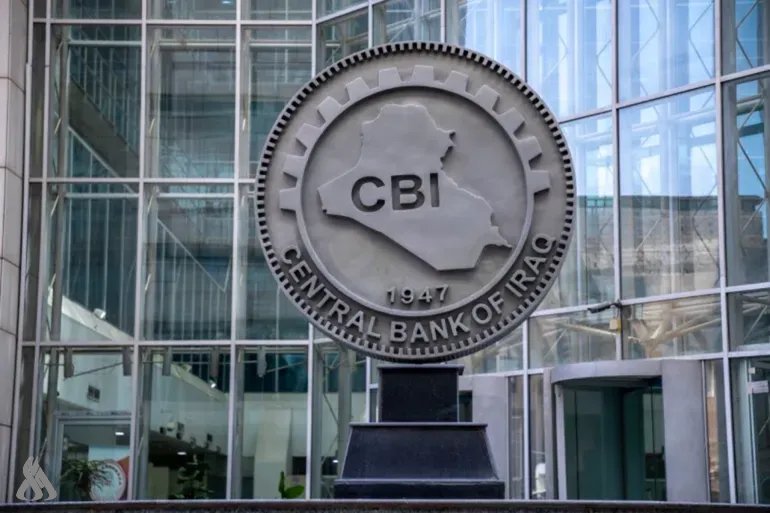
The exchange rate proposal came as Iraq’s parallel dollar market was trading well above the previous official rate. Channel8 reported that the parallel market had recently fluctuated between 157,000 and 160,000 dinars per $100, while the Central Bank had maintained its official rate in the 1,300 to 1,320 dinar range.
Earlier reports had also triggered market uncertainty over a possible devaluation. On October 5, the Slemani Currency Exchange Market spokesperson said no formal bill had been drafted at that time to change the official rate from 132,000 to 150,000 dinars per $100.
The 2027 budget is also being prepared amid pressure on Iraq’s public finances. Channel8 reported that the draft budget is moving toward a performance-based spending model, while the government is seeking to increase non-oil revenues and improve control over public spending.
Dive Deeper: Handpicked Stories for You
Follow Channel8 for continuous updates:
Haider al-Sheikh Warns of Wider Dollar Rate Gap
Kurdistan Region Fights for 14.14% Share as 2027 Budget Pegs Allocation at 12.70%