Haider al-Sheikh Warns of Wider Dollar Rate Gap
At a Glance
- Iraqi economic expert Haider al-Sheikh says a 150,000 dinar budget rate could widen Iraq’s exchange rate gap.
- He links recent parallel market volatility to restrictions on travelers’ dollar allowances.
- He says plans to remove zeros from the dinar remain postponed amid economic challenges.
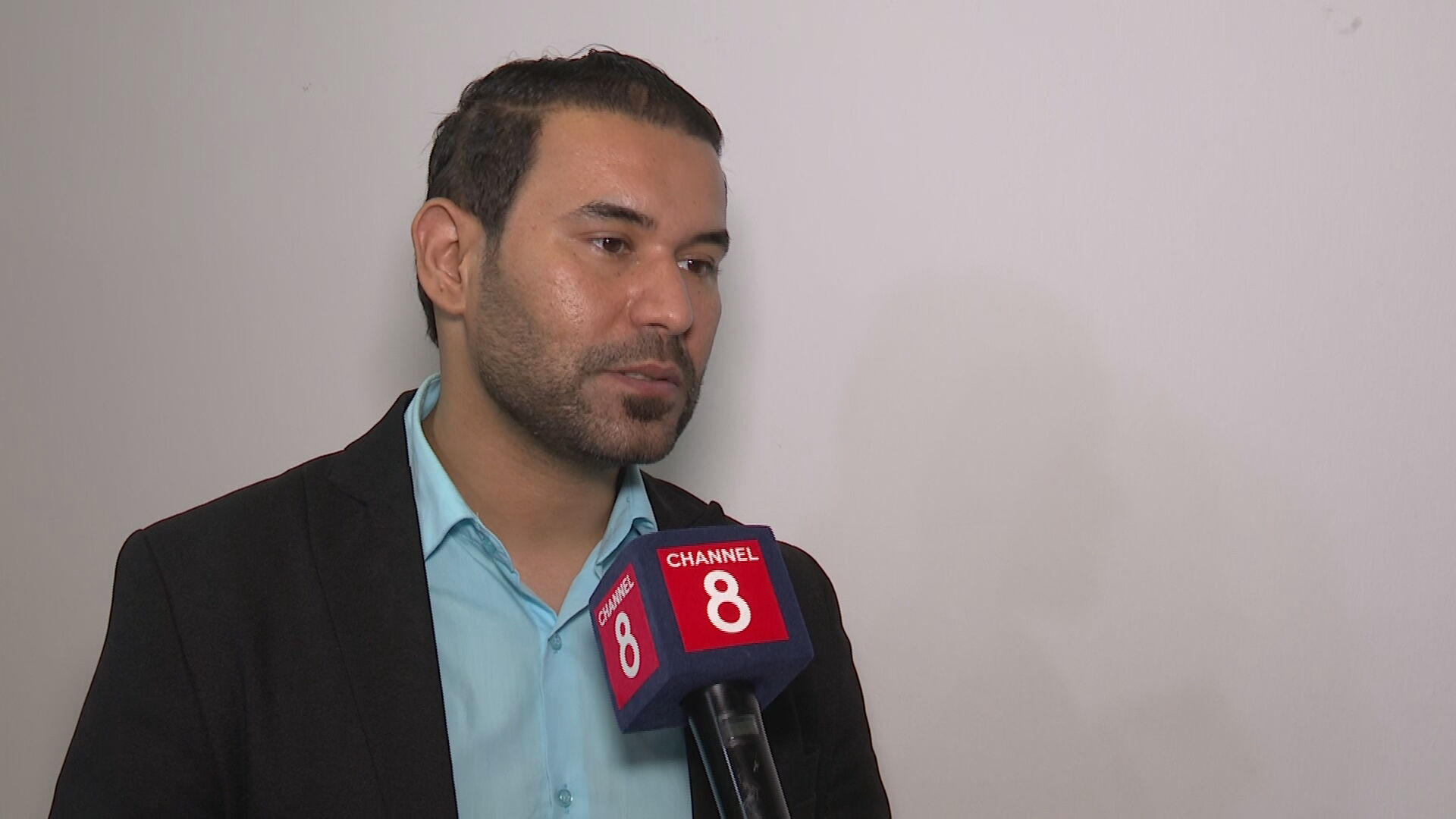
Iraqi economic expert Haider al-Sheikh has warned that setting the dollar exchange rate at 150,000 dinars per $100 in the federal budget could put further pressure on Iraq’s parallel currency market.
Key Statements and Focus Area
- Exchange Rate: “Fixing this rate at 150,000 dinars has sent a massive shockwave through the Iraqi market.” — Economic expert Haider al-Sheikh to Channel8
- Travelers’ Dollars: "Travelers are now restricted to two allowances per traveler per year.” — Haider al-Sheikh to Channel8
- Currency Reform: “The issue of deleting zeros from the Iraqi dinar requires the availability of financial liquidity, economic stability, and economic recovery in Iraq.” — Haider al-Sheikh to Channel8
Al-Sheikh said the exchange rate had been expected to be set at around 140,000 or 142,000 dinars per $100 but warned that a 150,000 dinar rate could push the parallel market above 170,000 dinars per $100.
He said a wider gap between official and parallel rates would put additional pressure on employees and other fixed-income earners while increasing the cost of food and consumer goods. He estimated that the value of employees’ salaries could effectively fall by around 40% if the official rate is raised to that level.
The expert attributed part of the parallel market pressure to market manipulation and dollar smuggling, saying some merchants and private financial institutions benefit from exchange rate volatility. He also said the Central Bank of Iraq has introduced measures targeting money laundering, cross-border transfers, and foreign currency smuggling.
The Central Bank has said it has sufficient foreign reserves to meet legitimate demand for foreign currency, including requests from travelers, and attributed recent local exchange rate increases to speculation and market expectations.
Travelers and the Dollar
Al-Sheikh said changes to travelers’ dollar allowances have also affected demand in the parallel market.
He pointed to the Central Bank’s recent measures regulating foreign currency quotas for travelers. The bank issued new instructions in July 2026 to regulate travelers’ access to foreign currency.
According to al-Sheikh, tighter access has particularly affected postgraduate students, patients, and people seeking medical treatment abroad, some of whom have turned to the parallel market to obtain dollars. The reliance of this segment on the black market caused the exchange rate to surge to 160,000 Iraqi dinars per $100.
He said the restrictions followed earlier changes to the travelers’ allowance and contributed to increased demand for dollars outside official channels.
Currency Reform Remains Postponed
Al-Sheikh said the proposal to remove zeros from the Iraqi dinar, previously discussed on Channel8, has been postponed by the current government.
He identified limited government liquidity and the absence of sustained economic recovery as major obstacles to implementing the proposal.
The expert said the government is instead focused on securing revenues through the federal budget, supporting economic activity, and attracting foreign investment.
He warned that without stronger measures to control the parallel market, a decision to set the dollar at 150,000 dinars per $100 in the budget could lead to further depreciation of the dinar in street markets.
FYI
Iraq operates with a significant difference between the Central Bank’s official exchange rate and the price of the dollar in parallel markets. Channel8 has reported that the parallel rate has fluctuated sharply throughout 2026, reaching nearly 160,000 dinars per $100 at points before falling back. The Central Bank has repeatedly said it has sufficient foreign reserves to meet legitimate demand and has attributed market increases to speculation, expectations, and financial uncertainty.
The Central Bank has also previously rejected reports of an official decision to devalue the dinar. In September, it said its official exchange rate remained unchanged and warned against unverified reports about changes to the rate. More recently, Channel8 reported on October 5 that rumors of a proposed move from 132,000 to 150,000 dinars per $100 triggered renewed panic in the parallel market, while the Slemani Currency Exchange Market spokesperson said no formal bill had been drafted for such a change.
On currency reform, Channel8’s August reporting established that deleting zeros would be a redenomination rather than a devaluation, meaning the reform itself would not increase or decrease the purchasing power of the dinar. The process would require legislative approval and changes to several laws before implementation.
Dive Deeper: Handpicked Stories for You
Follow Channel8 for continuous updates:
Currency spokesperson Denies Dinar Devaluation Rumors Amid Market Panic
Kurdistan Region Fights for 14.14% Share as 2027 Budget Pegs Allocation at 12.70%
1 hour ago